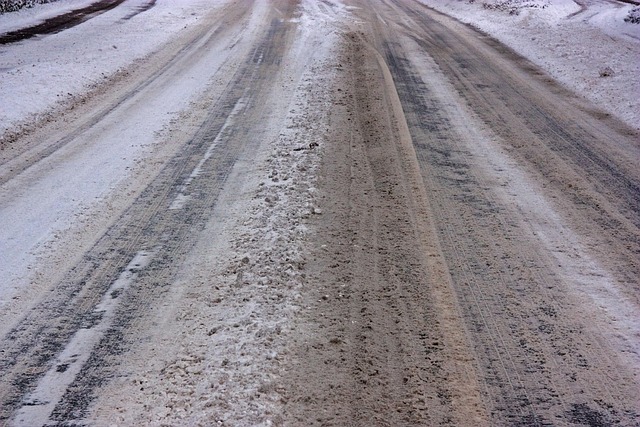
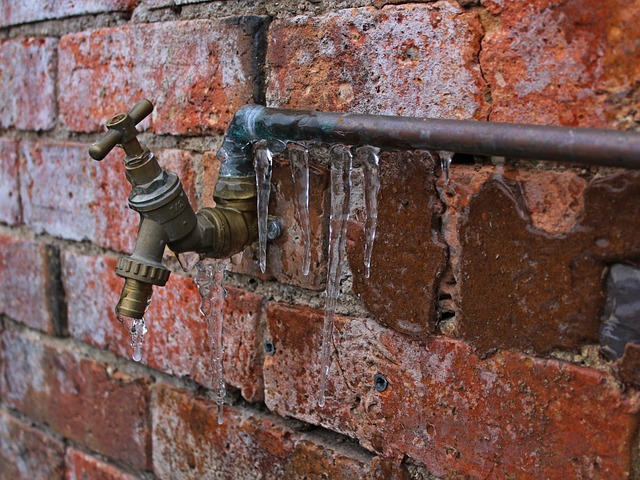
Winter weather brings snow, ice, and the widespread use of road treatments designed to keep roads safe for travel. Salt and chemical deicers play a major role in preventing accidents and improving traction during storms. However, once snow melts and temperatures rise, these substances do not simply disappear. They can dissolve into water and move through soil, drainage systems, and nearby waterways.
For homes that rely on private wells, this process can sometimes affect groundwater quality. Understanding how salt, deicers, and road runoff interact with the environment can help homeowners recognize potential risks and take steps to protect their drinking water.
How Winter Runoff Can Reach Groundwater
During winter storms, salt and deicing chemicals are spread on roads, sidewalks, and parking lots to melt ice. When snow and ice melt or when rain falls afterward, water flows across these treated surfaces and carries dissolved substances with it.
Meltwater and storm runoff can transport chemicals and contaminants into nearby soils, drainage systems, streams, and groundwater sources [1]. Once these substances enter the environment, they may travel through the ground and eventually reach shallow aquifers that supply private wells.
Since groundwater can receive contaminants from surface activities, areas with heavy winter road treatment may see increased salt levels in nearby water sources.
Contaminant #1: Salt
The most widely used winter road treatment is sodium chloride, commonly known as rock salt. While effective for melting ice, salt dissolves easily and spreads quickly through the environment.
Road salt is one of the largest human-made sources of chloride in surface water and groundwater [2]. When chloride enters groundwater, it does not easily break down or disappear. Instead, it can accumulate over time and contribute to rising salinity levels in local water sources.
Elevated salt concentrations in water may create unpleasant taste, mineral buildup in plumbing, and corrosion of pipes and equipment [2]. In some cases, higher sodium levels in drinking water can also be a concern for individuals monitoring sodium intake for health reasons.
Contaminant #2: Deicers
While rock salt is common, many winter products contain additional chemicals designed to improve melting performance in colder temperatures.
Common deicing agents include calcium chloride, magnesium chloride, potassium chloride, and other chloride-based compounds [3]. These materials work by lowering the freezing point of water, allowing ice to melt even in very cold conditions.
Despite differences in performance, many of these products contain chloride ions that move easily through water and soil. As these chemicals dissolve, they can enter runoff and eventually reach nearby groundwater systems.
Contaminant #3: Road Runoff
Winter runoff can contain more than just salt and deicing chemicals. Roads accumulate a variety of materials throughout the year, including vehicle residues, dust, and particles from tires and pavement.
Road runoff can carry metals, hydrocarbons, chemical additives, and other contaminants that accumulate on road surfaces [1]. During snowmelt or rainfall, these materials may wash into drainage systems, ditches, wetlands and nearby waterways.
This mixture of pollutants can enter surface water directly or infiltrate soil or groundwater, creating additional environmental concerns in areas with heavy traffic or extensive winter road treatment.
Protecting Your Private Well Water
Since private wells draw water directly from groundwater, homeowners play an important role in monitoring and protecting their water supply.
Regular testing is an important step. Private well owners should test their water regularly for key indicators such as total dissolved solids, chloride, and other potential contaminants [4], especially if the well is located near heavily salted roadways.
It is also important to manage runoff around the well site. Sloping land away from the wellhead, maintaining proper well caps and seals, and avoiding chemical use near the well can help reduce the risk of contamination reaching the groundwater supply.
Protecting Your Well Through Professional Support from Monticello Pump Services
Winter road treatments are essential for safe travel, but they can introduce salt and other contaminants into the environment as snow melts and runoff spreads. For homes that rely on private wells, understanding these risks is the first step in protecting water quality.
If you notice changes in taste, odor, or water quality, it may be time to have your well inspected or tested.
Contact Monticello Pump Services today to schedule professional well inspections, testing, and maintenance service to help keep your home’s water supply clean, reliable, and safe year-round.
Sources:
- https://pmc.ncbi.nlm.nih.gov/articles/PMC8817996/
- https://www.usgs.gov/mission-areas/water-resources/science/chloride-salinity-and-dissolved-solids
- https://biologyinsights.com/what-is-in-deicer-and-how-does-it-work/
- https://www.epa.gov/privatewells/protect-your-homes-water