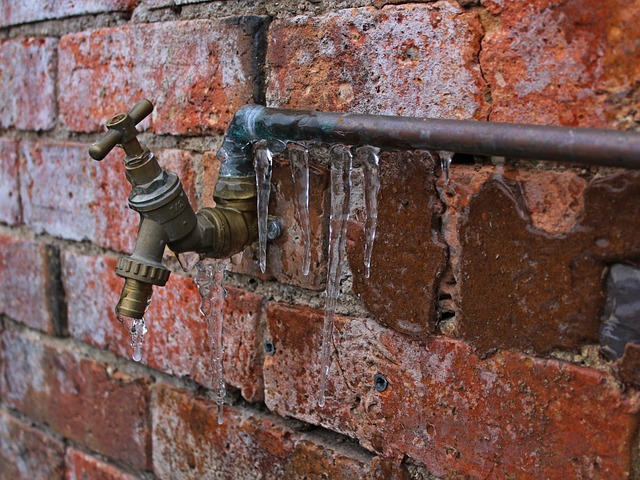
A drop in well water pressure in winter can feel sudden, especially when showers, laundry, and dishwashers all need steady flow. Cold weather introduces a few predictable stress points in a private well system, from seasonal shifts in the water table [1] to pipes that partially freeze and restrict flow. The good news is that many winter pressure problems have clear warning signs and practical fixes.
Potential Cause #1: Seasonal groundwater changes can affect supply
Groundwater is not static. The depth of the water can rise or fall depending on the time of year [1], influenced by recharge patterns and seasonal conditions. When groundwater levels change, a well may deliver water less consistently, and the system can feel “weaker” at the tap during high-use moments. Water table monitoring tools and local well measurements [1] can help confirm whether seasonal supply changes may be part of the issue.
Potential Cause #2: Frozen or partially frozen pipes restrict flow
Cold snaps can create a pressure drop even when water still runs. When pipes begin to freeze, water flow can be blocked or reduced [2], creating the frustrating “trickle” effect indoors. That restriction also raises the risk of damage, since water expands as it turns to ice and pipes can burst [2]. Homes with plumbing in crawl spaces, basements, garages, or exterior walls are often more vulnerable, especially if insulation is thin or gaps allow cold air to reach lines.
Potential Cause #3: Pressure tanks and switches can struggle in unheated spaces
Well systems rely on a pressure tank and controls to keep water pressure steady. Winter can interfere if key components sit in cold areas. Pressure tanks and above-ground components can be vulnerable to freezing in unheated enclosures [2], and small connections near the switch can be a weak link. Some systems experience issues when a small tube or fitting near the pressure switch freezes [2], preventing the system from sensing pressure accurately.
Potential Cause #4: Winter demand can expose weak points
Cold weather also changes usage patterns. Higher neighborhood or household water demand in winter [3] can contribute to lower pressure, especially during mornings, snow days, or holiday weekends when more people are home and using water at the same time. If a system is already borderline, increasing demand can make pressure drops more noticeable.
How to prevent winter well pressure drops for your Northern Virginia home
A few targeted steps can help protect pressure and reduce freeze risk:
- Add pipe insulation and heat cable options for exposed lines [4] and crawl spaces, basements, and near well equipment.
- Protect the well connection below the frost line with a pitless adapter [2] when appropriate for the system.
- During extreme cold, letting faucets drip to keep water moving [2] can lower freeze risk.
- Check pressure readings, since typical well system pressure often runs in the 40 to 60 psi range [4], and pressure below 40 psi is commonly considered low [3].
If low pressure only happens during cold weather, winterizing and a system check are usually the fastest path to a reliable fix.
Contact Monticello Pump Services to schedule a winter well inspection, troubleshoot pressure tank or switch issues, and help keep your water pressure steady all season.
Sources:
- https://www.usgs.gov/faqs/how-can-i-find-depth-water-table-a-specific-location
- https://www.watersystemscouncil.org/download/wellcare_information_sheets/maintaining_your_well_information_sheets/Protecting-Your-Pipes-and-Well-System-from-Freezing.pdf
- https://www.angi.com/articles/low-water-pressure-cold-weather.htm
- https://engineerfix.com/why-do-i-have-low-water-pressure-in-cold-weather/