A well pump plays an important role in keeping your home’s water supply reliable. If the pump is too small, you may notice weak water pressure, slow fixture flow, or trouble using multiple appliances at once. If it is larger […]
Many homeowners and farmers face the challenge of low well water pressure, often without understanding its root cause. A low water table can significantly impact well systems, leading to reduced pressure and potential issues for agriculture and local ecosystems. This article will explore the connection between water table levels and well pressure, identify signs of low water table effects, and provide strategies to mitigate these impacts. By understanding these factors, readers can better address low well water pressure and maintain a reliable water supply for their needs.

A low water table refers to a significant drop in groundwater levels, which can arise from various factors, including the effects of climate change and human activities such as dam construction. This decline can lead to uncertainty regarding low well water pressure and functionality, impacting the surrounding ecosystem. Understanding these dynamics is essential for assessing the implications of a low water table on well operations.
Groundwater levels are influenced by various factors, including precipitation, evaporation, and human activities. In North America, fluctuations in groundwater can significantly affect the concentration of nutrients like phosphorus, which can lead to environmental issues such as algal blooms. During periods of drought, the flux of groundwater decreases, resulting in lower water tables that can impact well pressure and availability, making it essential for well owners to monitor these changes closely.
Several factors contribute to a low water table, significantly impacting groundwater levels and well pressure. Climate change plays a crucial role, as rising temperatures can lead to increased evaporation rates and altered precipitation patterns, reducing the amount of water that replenishes aquifers. Additionally, human activities such as excessive groundwater extraction for agricultural purposes can deplete water reserves faster than they can be naturally replenished, further exacerbating the decline in groundwater levels. The resulting decrease in primary production and biomass in surrounding ecosystems can also affect the overall health of the environment, highlighting the interconnectedness of these factors.
A low water table can significantly affect well functionality by altering the density and volume of groundwater available for extraction. As evaporation rates increase, particularly during dry spells, the water level in wells may drop, leading to reduced pressure and potential operational challenges. This decline can also impact vascular plants in the surrounding ecosystem, as their access to groundwater diminishes, resulting in erosion and a decline in overall plant health, which further complicates the environmental balance.
A low water table can change everything for a well. Understanding how water table levels affect well pressure reveals the deeper truths of water access.

Water table fluctuations directly influence well pressure, as changes in groundwater levels affect hydrostatic pressure within wells. Seasonal variations, driven by precipitation patterns, can further impact this dynamic, leading to potential challenges in water availability. Understanding these factors is essential for assessing the implications of a low water table on well functionality, particularly in the context of methane and carbon emissions related to global warming potential.
Water table fluctuations have a direct impact on well pressure, as changes in groundwater levels can alter the hydrostatic pressure within wells. When the water table drops due to factors such as climate change or excessive groundwater extraction, the availability of water resources diminishes, leading to reduced pressure in wells. This decline not only affects the extraction of water but also influences the surrounding vegetation, which relies on consistent groundwater access for health and growth, thereby impacting local biogeochemistry and potentially increasing greenhouse gas emissions from disturbed ecosystems.
Hydrostatic pressure plays a critical role in the functionality of wells, particularly in the context of fresh water availability. As the water table declines due to climate variability and change, the hydrostatic pressure within wells decreases, making it more challenging to extract water. This reduction in pressure can also affect the hydrology of surrounding ecosystems, such as fens, where the decomposition of organic matter relies on consistent water levels to maintain nutrient cycling and overall ecosystem health.
Seasonal variations significantly influence water table levels and, consequently, well pressure. During warmer months, increased evapotranspiration can lead to a rapid decline in groundwater levels, particularly in peatland areas where moisture retention is critical for maintaining ecological balance. This reduction not only affects the transport of nutrients but can also elevate nitrous oxide emissions, further complicating the environmental dynamics and impacting overall ecosystem health.
As the water table drops, the pressure in your well may falter. Recognizing the signs of this shift can help you act before the situation worsens.

Indicators of a low water table affecting well pressure include decreased water flow in faucets and showers, sputtering or air in the water supply, and changes in pump cycling frequency. These signs can directly impact water quality and availability, particularly in areas with peat and soil that rely on consistent surface water levels. Recognizing these symptoms is essential for maintaining a reliable water supply.
Decreased water flow in faucets and showers often signals a low water table affecting well pressure. During the growing season, when water demand increases, a drop in groundwater levels can lead to insufficient supply, resulting in weak or inconsistent flow. This situation not only impacts daily water usage but can also contribute to higher levels of dissolved organic carbon and carbon dioxide in the environment, potentially increasing greenhouse gas emissions, as noted by the Intergovernmental Panel on Climate Change. Addressing these issues promptly is essential for maintaining a reliable water supply and ensuring the health of local ecosystems.
Sputtering or air in the water supply often indicates a low water table affecting well pressure. When groundwater levels drop, the well may draw in air along with water, leading to inconsistent flow and potential contamination. This situation can disrupt nutrient delivery to plants and ecosystems, highlighting the importance of monitoring well conditions to ensure a reliable water supply and maintain environmental health.
Changes in pump cycling frequency can serve as a clear indicator of a low water table affecting well pressure. When groundwater levels decline, the pump may cycle on and off more frequently as it struggles to maintain adequate water supply. This increased cycling not only places additional strain on the pump system but can also lead to premature wear and potential failure, emphasizing the need for well owners to monitor their systems closely to ensure reliable water access.
The signs of a low water table are clear, but the real story lies in what follows. Understanding the potential consequences on well systems reveals the deeper impact on daily life.
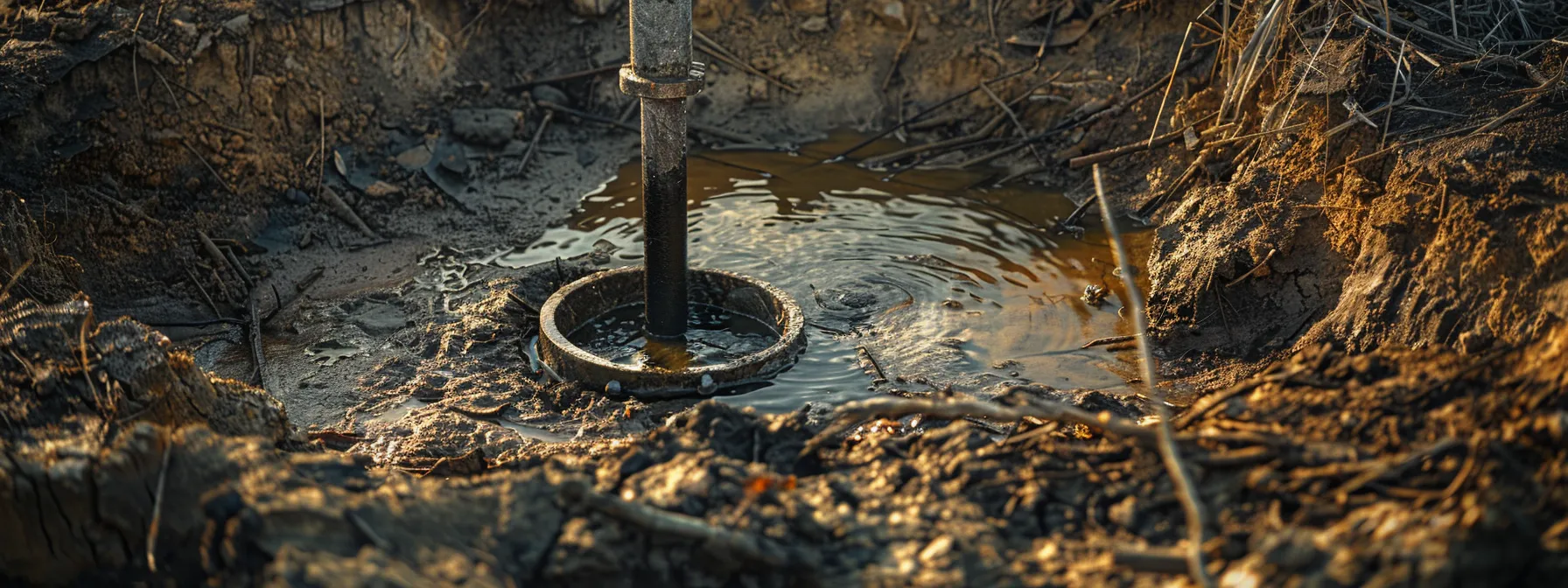
A low water table can lead to significant consequences for well systems. Strain on well pumps and equipment may increase as they work harder to extract diminishing water supplies. Additionally, the risk of drawing contaminants into the well rises, potentially compromising water quality. Increased energy consumption and costs are also common as pumps operate more frequently, highlighting the importance of understanding these impacts on well functionality.
The strain on well pumps and equipment becomes evident as a low water table reduces the availability of groundwater. As the water level drops, pumps must work harder to extract water, leading to increased wear and tear on the system. This heightened demand not only raises the risk of mechanical failure but also results in higher energy costs, making it essential for well owners to monitor their systems closely and consider maintenance or upgrades to ensure reliable water access.
The risk of drawing contaminants into wells increases significantly when the water table is low. As groundwater levels decline, wells may struggle to maintain adequate water supply, leading to a situation where the pump can inadvertently draw in surface water or contaminants from surrounding soil. This can compromise water quality, posing health risks to users and affecting the overall safety of the water supply. Regular monitoring and maintenance of well systems are essential to mitigate these risks and ensure clean, safe water access:
A low water table can lead to increased energy consumption and costs for well systems. As groundwater levels decline, pumps must work harder to extract water, resulting in more frequent cycling and prolonged operation. This heightened demand not only raises energy bills but also accelerates wear on equipment, potentially leading to costly repairs or replacements. Well owners should consider regular maintenance and efficiency upgrades to mitigate these impacts and ensure sustainable water access.
The challenges of a low water table are clear and pressing. Yet, there are ways to adapt and protect well systems from these impacts.

Adjusting pump settings and depth can optimize water extraction in response to a low water table. Implementing water-saving practices helps conserve groundwater resources, while installing a Variable Frequency Drive (VFD) system enhances pump efficiency. These strategies are essential for maintaining well pressure and ensuring sustainable water access in areas affected by declining groundwater levels.
Adjusting pump settings and depth is a critical strategy for mitigating the impacts of a low water table on well pressure. By optimizing the pump's operational parameters, well owners can enhance water extraction efficiency, ensuring a more reliable supply even when groundwater levels are low. For instance, lowering the pump depth can help access deeper water reserves, while fine-tuning the pump's pressure settings can reduce energy consumption and wear on the system, ultimately leading to cost savings and improved well functionality:
Implementing water-saving practices is essential for mitigating the impacts of a low water table on well pressure. Techniques such as installing low-flow fixtures, utilizing rainwater harvesting systems, and practicing efficient irrigation methods can significantly reduce water consumption. By adopting these strategies, well owners can help conserve groundwater resources, ensuring a more sustainable water supply while maintaining well functionality even during periods of low water availability.
Installing a Variable Frequency Drive (VFD) system can significantly enhance the efficiency of well pumps, particularly in areas affected by a low water table. A VFD allows for the adjustment of pump speed based on real-time water demand, which helps maintain consistent pressure and reduces energy consumption. By optimizing pump operation, well owners can mitigate the impacts of fluctuating groundwater levels, ensuring a reliable water supply while minimizing wear on equipment.
The strategies discussed can only do so much. To truly secure well pressure for the future, one must consider long-term solutions that stand the test of time.
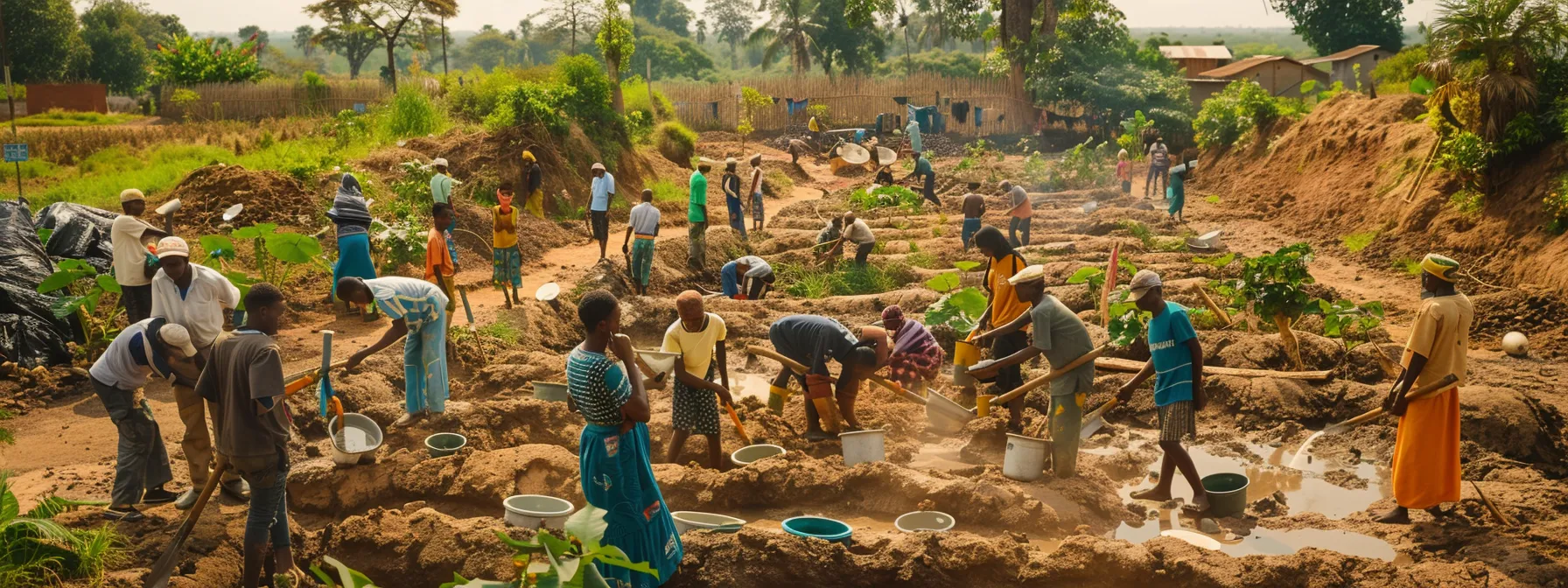
Long-term solutions for maintaining well pressure in the context of a low water table include exploring alternative water sources, investing in well deepening or drilling, and implementing community actions for groundwater recharge. Each of these strategies offers practical insights for well owners and communities, emphasizing the importance of sustainable water management to ensure reliable access to groundwater resources.
Exploring alternative water sources is a vital strategy for maintaining well pressure in areas affected by a low water table. Options such as rainwater harvesting, surface water collection, and the use of reclaimed water can provide supplementary supplies, reducing reliance on groundwater. Implementing these solutions not only helps ensure a consistent water supply but also promotes sustainable water management practices that benefit both well owners and the surrounding ecosystem.
Investing in well deepening or drilling can be a practical solution for addressing the challenges posed by a low water table. By accessing deeper aquifers, well owners can improve water availability and maintain consistent pressure, which is crucial for daily water needs. This approach not only enhances the reliability of the water supply but also mitigates the risks associated with declining groundwater levels, ensuring that communities have sustainable access to this vital resource.
Community actions for groundwater recharge play a crucial role in addressing the challenges posed by a low water table. Initiatives such as creating rain gardens, implementing permeable pavement, and restoring wetlands can enhance the natural infiltration of water into the ground, replenishing aquifers. By engaging local residents in these efforts, communities can foster a collective responsibility for sustainable water management, ultimately improving well pressure and ensuring a reliable water supply for future generations.
Understanding the effects of a low water table on well pressure is crucial for maintaining reliable water access and ensuring ecosystem health. Fluctuations in groundwater levels can lead to reduced well functionality, increased energy costs, and potential contamination risks. By monitoring water table changes and implementing effective strategies, well owners can mitigate these impacts and promote sustainable water management. Prioritizing these actions not only safeguards water quality but also supports the resilience of local environments in the face of ongoing challenges.

A well pump plays an important role in keeping your home’s water supply reliable. If the pump is too small, you may notice weak water pressure, slow fixture flow, or trouble using multiple appliances at once. If it is larger […]

Filling or topping off a swimming pool with well water can seem like a simple, cost-effective option, especially if your pool needs a large amount of water at the start of the season. However, private well systems are different from […]

Municipal water is treated before it reaches your home, which gives many homeowners confidence in the water coming from their taps. City water systems are regulated and monitored, but treatment is not always the final step in the water's journey. […]