Adding an irrigation system is one of the best ways to keep your lawn and landscaping healthy, but if your home relies on a private well, proper planning is essential before installation begins. Unlike municipal water supplies, a well system […]
Many property owners face challenges with well pump systems, particularly when experiencing issues like no water flow. Understanding the differences between submersible and traditional well pumps can make a significant impact on finding the right solution for specific water needs. This article will outline the core differences between these pump types, discuss their advantages, and debunk common misconceptions. By the end, readers will gain essential insights to make informed decisions regarding their well pump systems, ensuring reliable water access for their homes or businesses. Contact us to learn more about effective well pump solutions.

Submersible well pumps are designed to operate underwater, efficiently moving water from deep sources, making them ideal for agricultural operations such as supporting cattle needs. In contrast, traditional well pumps, installed above ground, are typically used for shallower applications. Each type features unique characteristics that cater to specific energy requirements and customer service needs within residential and commercial settings. If you experience no water, contact us.
Submersible well pumps are specialized devices designed to function below the water surface, making them highly efficient for extracting water from deep sources. They typically include components like a check valve to prevent backflow and a pressure switch to regulate the system's operation, ensuring steady flow to applications such as bathrooms and irrigation systems. These pumps are encased in a protective pipe, providing durability and enhancing their ability to meet the diverse needs of both residential and commercial customers.
Traditional well pumps, typically installed above ground, serve as a reliable solution for shallower water sources. These pumps operate by drawing water through a hose, relying on a capacitor to start the motor, and a bearing to support moving parts, which plays a vital role in their efficiency and longevity. When selecting a traditional pump, understanding its wattage requirements and operational capacity is critical for meeting the specific water needs of residential or commercial properties.
Submersible well pumps are commonly used in applications such as drip irrigation systems and agricultural setups, where efficient water delivery from deep sources is essential. Their design minimizes the risk of corrosion, making them suitable for various water types. On the other hand, traditional well pumps find their place in residential settings, effectively supplying water to basements and storage tanks, where lower water depths are present, utilizing the centrifugal pump mechanism to optimize performance.
Submersible well pumps, such as those produced by Grundfos, offer several key features that enhance their effectiveness in various applications. These pumps are specifically designed to operate underwater, minimizing issues like water hammer and ensuring a consistent pressure for optimal water supply. With their capacity to deliver water in gallons from deep sources, they represent a reliable choice for both agricultural and residential needs.
Traditional well pumps are designed with specific features that cater to various applications, particularly for supplying drinking water in residential settings. These pumps typically operate on a volt system and are capable of handling moderate sediment levels, making them efficient for clearer water sources. When used in livestock operations, they effectively deliver water to troughs or storage tanks, ensuring that the needs of both animals and households are consistently met.
Each type of well pump has its own purpose and strengths. Now, let’s examine the core differences between submersible and traditional well pumps to understand which might best fit your needs.

The core differences between submersible and traditional well pumps encompass several important factors, including their mechanism of operation, installation requirements, efficiency and performance metrics, lifespan and maintenance needs, as well as cost analysis for both purchase and ongoing operation. Understanding these distinctions helps customers choose the right pump for their needs, whether focusing on specific components like a valve or thrust bearing, or considering impacts from hard water sources like flint.
The mechanism of operation for submersible and traditional well pumps varies significantly, impacting their efficiency and suitability for different applications. Submersible pumps function underwater, utilizing a sealed motor to push water to the surface, making them ideal for irrigation systems where deep water extraction is necessary. In contrast, traditional well pumps operate from above ground, drawing water up through a hose using suction, which is effective for shallower water sources. Understanding these mechanisms is crucial for property owners when considering the price, warranty, and maintenance needs of each pump type:
Installation requirements for submersible and traditional well pumps differ significantly based on their design and intended use. Submersible pumps, such as those provided by VEVOR, need to be placed underwater, which often necessitates additional considerations such as the selection of a robust stainless steel casing to withstand corrosion. Traditional well pumps, by contrast, are installed above ground and typically require an appropriate horsepower rating and a compatible impeller system to ensure effective water draw from shallower depths. Understanding these installation aspects is crucial for property owners to select the right pump that meets their specific water needs and site conditions.
Efficiency and performance are critical factors distinguishing submersible and traditional well pumps. Submersible pumps typically operate at higher voltage levels, allowing for greater power and consistent water flow from deeper sources. Additionally, the incorporation of a float switch in these systems provides reliable operation, automatically adjusting to fluctuations in water levels, which enhances their overall functionality. Conversely, traditional well pumps may have lower operational efficiency due to reliance on suction mechanisms and lower durability, often necessitating the use of steel materials to ensure structural integrity, especially in environments with significant sediment presence. Understanding these efficiency differences assists property owners in making informed decisions based on their specific water supply needs.
The lifespan and maintenance requirements for submersible and traditional well pumps differ significantly. Submersible pumps, designed for underwater operation, often require less frequent maintenance due to their sealed environment, which protects against exposure to contaminants. In contrast, traditional well pumps, positioned above ground, may encounter more challenges with wear and sediment buildup, necessitating regular inspections and maintenance to ensure efficient operation. Property owners should consider these factors when selecting a pump type, as investing in a submersible pump may provide long-term reliability with lower upkeep costs.
The cost analysis for purchasing and operating submersible and traditional well pumps highlights significant differences that influence property owners' decisions. Generally, submersible pumps entail a higher upfront investment due to their advanced technology, yet they often reduce long-term operational costs through greater efficiency and lower maintenance needs. In contrast, traditional well pumps may be more budget-friendly initially but could lead to higher ongoing expenses for repairs and maintenance, particularly in environments with sediment buildup or other wear factors. Understanding these cost implications is essential for clients seeking reliable solutions that align with their financial objectives while ensuring effective water supply management.
Submersible well pumps lie beneath the surface, quietly delivering water with efficiency. Understanding their advantages reveals why many choose them over traditional models.

Submersible well pumps offer numerous advantages, including increased efficiency in water delivery, which optimizes performance in deep well applications. Their compact design saves space, and enhanced durability ensures reliable operation underground. Additionally, submersible pumps operate at reduced noise levels, providing a more pleasant experience for users. Each of these benefits contributes to their effectiveness in various water supply scenarios.
Submersible well pumps are recognized for their ability to provide increased efficiency in water delivery, especially in applications requiring water extraction from significant depths. By functioning underwater, these pumps utilize a sealed motor that pushes water to the surface rather than relying on suction, resulting in higher operational efficiency and reduced energy consumption. Clients often choose submersible pumps due to their effective performance in both agricultural and residential settings, delivering water consistently when it is needed most:
The compact design of submersible well pumps offers significant advantages, particularly in applications with limited space. These pumps are designed to fit within the well casing, reducing the footprint required for installation compared to traditional above-ground pumps. This space-saving characteristic not only allows for easier installation in confined areas but also minimizes the visual impact on the surrounding environment, making them an ideal choice for residential and commercial properties alike:
Submersible well pumps are renowned for their enhanced durability, particularly in underground environments. Designed to operate below the water level, these pumps are encased in materials that resist corrosion and wear, effectively safeguarding their internal components from harsh conditions. This protective design not only extends the lifespan of the pumps but also mitigates the risk of frequent repairs, making them a reliable choice for both agricultural and residential applications where water extraction is vital.
Reduced noise levels during operation are a significant advantage of submersible well pumps. Unlike traditional pumps that can generate disruptive sounds due to their above-ground mechanisms, submersible pumps function quietly underwater, minimizing disturbance in residential and commercial environments. This feature is particularly beneficial for property owners seeking to maintain a peaceful atmosphere while ensuring efficient water delivery for various applications.
Submersible well pumps excel in deep well applications by leveraging their unique design, which allows them to operate underwater effectively. This capability enables them to draw water from significant depths more efficiently than traditional pumps, ensuring a consistent water supply even in challenging environments. Their ability to push water to the surface, rather than relying on suction, translates to improved performance and reliability, making them a preferred choice for both residential and agricultural needs where depth is a critical factor.
While submersible well pumps offer notable benefits, traditional well pumps bring their own strengths to the table. Their simplicity and reliability present options worth exploring for any property owner.

Traditional well pumps offer several notable advantages that cater to specific needs and preferences. Their simplicity of design facilitates easier maintenance and access for repairs, allowing property owners to minimize downtime. These pumps are often more cost-effective for shallow wells and demonstrate versatility across various water sources. With an established technology backed by a long history of reliable use, traditional well pumps consistently meet diverse water supply demands.
The simplicity of design in traditional well pumps presents a significant advantage for property owners. These pumps typically feature straightforward mechanisms, which not only facilitate easier maintenance but also lower the barriers for repair when issues arise. For instance, if a repair is necessary, homeowners can often access components without the need for specialized tools or extensive technical knowledge, ensuring that they can address issues promptly and efficiently, thus minimizing downtime for their water supply.
Traditional well pumps offer the advantage of easier access for repairs, which is particularly beneficial for property owners facing maintenance challenges. Their above-ground installation allows for straightforward inspection and repair of components without the need for specialized equipment or extensive technical skills. For instance, if a traditional well pump experiences a malfunction, homeowners can quickly reach the motor or other parts, facilitating prompt resolutions and minimizing the downtime of their water supply.
Traditional well pumps are particularly cost-effective for shallow wells, as their simpler design and operational mechanics allow for lower initial investments and maintenance expenses. Property owners benefit from these pumps when accessing water sources that do not require deep drilling, allowing for efficient water extraction without substantial financial outlay. This makes traditional well pumps a suitable solution for residential users seeking reliable water supply for tasks such as irrigation and household needs, ensuring they meet their hydration demands effectively and affordably.
Traditional well pumps demonstrate significant versatility by effectively accommodating various water sources, ranging from municipal supplies to natural springs. Their design allows for efficient operation in shallow wells or reservoirs, making them suitable for residential properties where depth is not a primary concern. This adaptability ensures property owners can meet their water needs across different settings, whether for irrigation, household consumption, or livestock requirements.
Traditional well pumps are built on established technology that has proven reliable over many years. This long history allows property owners to benefit from tried-and-true mechanisms, ensuring effective water supply for various applications without the uncertainties associated with newer systems. With a straightforward design, traditional pumps facilitate easy maintenance and repair, making them an appealing choice for those needing dependable solutions for their water needs.
Traditional well pumps offer many benefits, yet misunderstandings often cloud their true value. It is time to confront these common myths and see what lies beneath the surface.
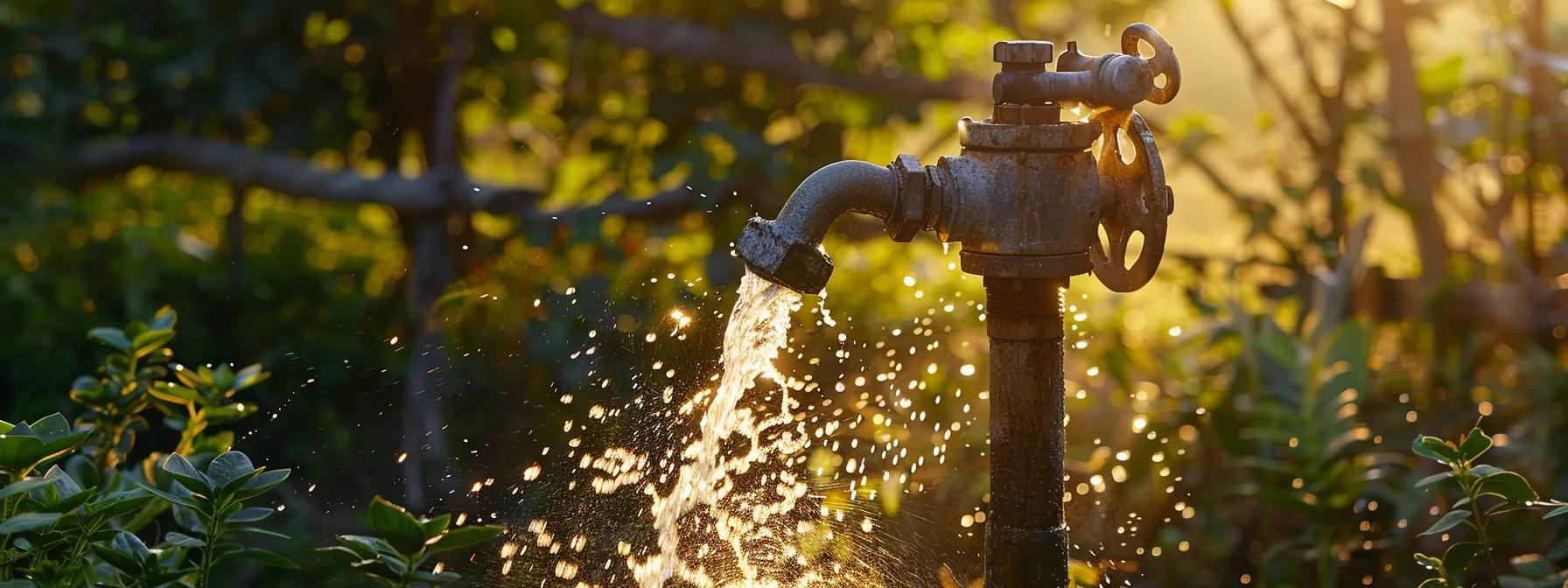
Many misconceptions surround well pumps, often leading to confusion for property owners. Misunderstanding pump efficiency ratings and durability comparisons can affect decision-making. Additionally, assumptions regarding installation complexity and energy consumption metrics may not reflect reality. Finally, myths about maintenance needs can mislead customers about their ongoing responsibilities. This section will clarify these misconceptions to provide practical insights for selecting the appropriate pump type.
One common misunderstanding about well pumps lies in the interpretation of pump efficiency ratings. Many property owners may assume that higher efficiency directly equates to lower energy use across both submersible and traditional pumps. In reality, the context of usage plays a significant role; submersible pumps often deliver superior efficiency in deep water applications, while traditional pumps might exhibit reduced efficiency when faced with deeper sources. Understanding these differences helps clients make informed choices that best align with their specific water supply requirements.
Many property owners mistakenly believe that traditional well pumps are inherently more durable than submersible pumps due to their visible mechanical components. In reality, submersible pumps often offer enhanced durability thanks to their sealed designs, which protect them from contaminants and environmental wear. Understanding that durability can vary based on the specific conditions and requirements of the applications helps clients make informed decisions about which pump will best meet their long-term water supply needs.
Many property owners assume that installing submersible well pumps is inherently more complex than traditional well pumps, given their underwater placement. In reality, while submersible pumps require careful consideration regarding materials and depth, the installation process can be straightforward. Conversely, traditional pumps, with their above-ground setup, can also present challenges, such as ensuring proper alignment and selecting compatible components, which might require professional assistance to avoid future maintenance issues.
Confusion often arises regarding the energy consumption metrics of submersible and traditional well pumps. Many property owners mistakenly believe that submersible pumps, due to their advanced technology, consume more energy than traditional pumps. In reality, submersible pumps are typically more energy-efficient, especially when extracting water from greater depths, as they utilize a sealed motor that optimizes performance while minimizing energy use. Property owners should consider these efficiency factors, as they can directly impact long-term operational costs and energy bills.
Property owners often harbor myths regarding the maintenance requirements for submersible and traditional well pumps. Many believe that submersible pumps demand extensive upkeep because they operate underwater, while traditional pumps are thought to require little attention due to their visible components. In reality, submersible pumps typically require less frequent maintenance owing to their sealed environment, which protects them from contaminants, whereas traditional pumps may need regular inspections to address wear and sediment buildup.
Understanding well pumps helps make informed choices. Next, we will review the top submersible models, each proving its worth in the field.
This section provides an overview of leading submersible well pump brands, highlighting key specifications and features that set them apart. Customer reviews and ratings offer insights into user satisfaction and performance, while a discussion of price ranges and buying considerations will aid potential purchasers. Furthermore, long-term performance insights from users will inform decision-making for those seeking reliable options.
When exploring submersible well pumps, several leading brands stand out in the market due to their innovation and reliability. Brands such as Grundfos, Franklin Electric, and Zoeller are trusted for their advanced technology and robust designs, ensuring optimal performance for both residential and agricultural applications. Each brand offers unique features tailored to meet the diverse water supply needs of property owners, making it essential for consumers to evaluate specifications and customer reviews before making a purchase decision:
The comparison of specifications and features among leading submersible well pump models reveals significant distinctions that cater to various water extraction needs. For instance, Grundfos pumps are known for their high efficiency and durable construction, making them suitable for both agricultural and residential applications. In contrast, Franklin Electric pumps utilize advanced motor technology for reliable industrial and commercial performance, while Zoeller focuses on compact designs using corrosion-resistant materials, ideal for residential setups and irrigation:
Customer reviews and ratings for submersible well pumps provide valuable insights into user experiences and performance. Feedback often highlights the efficiency and reliability of models from trusted brands like Grundfos and Franklin Electric, with many users appreciating the pumps' ability to maintain consistent water flow even in challenging conditions. This firsthand information helps prospective buyers compare various options, ensuring they select models that best meet their specific water supply needs.
When considering the purchase of submersible well pumps, potential buyers should be aware that prices typically range from $200 to $1,200, depending on factors such as power capacity, brand reputation, and specific features. These pumps often require careful evaluation of performance specifications to ensure a reliable water supply meets the unique needs of both residential and agricultural settings. Additionally, understanding the long-term operational costs and maintenance requirements helps customers make informed decisions, ensuring their investment aligns with their financial objectives:
Long-term performance insights from users of submersible well pumps reveal that these systems often exceed expectations when it comes to reliability and efficiency. Many customers note the consistent water delivery and lower maintenance requirements as significant advantages, especially in agricultural and residential settings. User feedback frequently highlights the minimal operational noise and enhanced durability, which contribute to an overall positive experience, reaffirming their choice of submersible pumps for deep water extraction needs.
Understanding the essential differences between submersible and traditional well pumps is crucial for effective water supply management. Each pump type presents unique advantages and challenges that directly impact efficiency, installation, and maintenance. By recognizing these distinctions, property owners can make informed decisions aligned with their specific needs and financial goals. Ultimately, selecting the right pump ensures reliable water delivery and long-term satisfaction for both residential and agricultural applications.

Adding an irrigation system is one of the best ways to keep your lawn and landscaping healthy, but if your home relies on a private well, proper planning is essential before installation begins. Unlike municipal water supplies, a well system […]

If your well pump seems to turn on and off every few seconds while you're using water, you may be dealing with a problem known as short cycling. Instead of completing normal operating cycles, the pump starts and stops too […]

Building a home with a private well involves more than simply choosing where the well will be located. The well pump, pressure system, and installation methods all play an important role in your home's long-term water supply. Asking a few […]