Understanding How Faulty Pressure Tanks Impact Well Water Flow
Many homeowners with well water systems experience low well water pressure, often without understanding the cause. Faulty pressure tanks can significantly impact water flow, leading to frustrating situations like weak showers or inconsistent water supply. This article will explore the role of pressure tanks, common issues that arise, and how to identify symptoms of a bad tank. By understanding these factors, readers will gain insights into troubleshooting their systems and restoring proper water flow, ultimately improving their daily water usage.
Key Takeaways
Pressure tanks maintain consistent water pressure and prevent overuse of the well pump
Regular maintenance is essential to ensure optimal performance and longevity of pressure tanks
Faulty pressure tanks can lead to significant fluctuations in water pressure and increased energy costs
Homeowners should monitor for signs of leaks and unusual noises to address issues promptly
Adjusting pressure settings to optimal levels enhances water delivery and reduces pump cycling frequency
The Role of Pressure Tanks in Well Water Systems
Pressure tanks play a crucial role in well water systems by maintaining consistent water pressure in the home and preventing overuse of the well pump. These storage tanks store and release water as needed, ensuring that fixtures like sinks receive adequate flow. Understanding these functions is essential for home improvement and addressing issues related to low well water pressure.
Maintaining Consistent Water Pressure in the Home
Maintaining consistent water pressure in a home is essential for effective water delivery, particularly in well water systems. A properly functioning pressure tank ensures that fresh water is readily available at the desired flow rate, preventing fluctuations that can disrupt daily activities. If sediment accumulates in the tank or if the ball valve malfunctions, it can lead to inadequate filtration and inconsistent pressure, causing frustration for homeowners relying on their well system.
Preventing Overuse of the Well Pump
Pressure tanks are essential in preventing the overuse of the well pump, which can lead to premature wear and reduced water quality. A well-maintained water tank allows for the efficient storage and distribution of water, minimizing the frequency of pump activation. If the relief valve or nipple malfunctions, it can cause the pump to cycle excessively, resulting in increased energy costs and potential damage to the system. Regular troubleshooting and maintenance of these components are vital for ensuring optimal performance and longevity of the well water system:
Monitor the pressure settings of the water tank.
Inspect the relief valve for proper operation.
Check the nipple connections for leaks or blockages.
Perform routine maintenance to ensure water quality and system efficiency.
How Pressure Tanks Store and Release Water
Pressure tanks utilize a diaphragm to separate water from air, allowing them to store and release water efficiently. When water is drawn from the system, the pressure in the tank decreases, prompting the pump to activate and refill the tank. A properly functioning check valve ensures that water does not flow back into the well, maintaining consistent pressure and flow, while a booster pump can enhance water delivery to fixtures, especially in larger homes or systems with high demand.
Pressure tanks are vital for steady water flow, but they can fail. Understanding the common issues with faulty pressure tanks can save time and money.
Common Issues With Faulty Pressure Tanks
Faulty pressure tanks can lead to significant issues in well water systems, impacting overall water flow. Common problems include leaking bladders or diaphragms, which can cause water loss and pressure drops. Incorrect pressure settings may result in inadequate water delivery, while corrosion and structural damage can compromise the tank's integrity. Understanding these issues is essential for maintaining efficient water flow and system reliability.
Leaking Bladders or Diaphragms
Leaking bladders or diaphragms in pressure tanks can significantly disrupt well water flow, leading to inconsistent water pressure and potential system failures. When a leak occurs, the pressure regulator may struggle to maintain the desired pressure, causing the pump to cycle more frequently and increasing wear on the system. Homeowners should regularly inspect their pressure tanks for signs of leaks and ensure proper ventilation to prevent further complications, such as the need for an expansion tank to manage excess pressure.
Issue
Impact on Water Flow
Recommended Action
Leaking Bladders or Diaphragms
Inconsistent water pressure, increased pump cycling
Regular inspection and maintenance
Pressure Regulator Malfunction
Difficulty maintaining desired pressure
Check and replace if necessary
Poor Ventilation
Risk of pressure build-up
Ensure adequate airflow around the tank
Incorrect Pressure Settings
Incorrect pressure settings in pressure tanks can lead to significant disruptions in well water flow. When the pressure is set too low, it may result in insufficient water delivery to fixtures, while excessively high pressure can cause stress on components like the bladder and schrader valve, leading to potential failures. Additionally, improper settings can contribute to corrosion within the system and may necessitate water heater expansion, further complicating maintenance and efficiency issues.
Corrosion and Structural Damage
Corrosion and structural damage in pressure tanks can lead to significant failures in well water systems. When the tank's materials degrade, it can result in leaks and compromised pressure, which may cause issues such as water hammer—a sudden surge of pressure that can damage pipes and fixtures. Regular inspections and maintenance of the pressure switch and water filter are essential to prevent corrosion and ensure the system operates efficiently, ultimately safeguarding against costly repairs and water delivery disruptions.
Corrosion can lead to leaks and pressure loss.
Structural damage may cause water hammer, impacting plumbing.
Regular maintenance of the pressure switch and water filter is crucial.
Faulty pressure tanks can disrupt the steady flow of water, leaving users frustrated. Understanding how these issues impact water delivery reveals the importance of maintaining these systems.
How Faulty Pressure Tanks Affect Water Flow
Faulty pressure tanks can lead to significant fluctuations in water pressure, affecting the overall efficiency of well water systems. These issues often result in frequent cycling of the submersible pump, which can increase wear and tear. Additionally, problems such as sand accumulation and iron buildup can reduce the water supply and flow rate, impacting daily water usage and system reliability.
Fluctuations in Water Pressure
Fluctuations in water pressure can significantly disrupt daily activities in homes relying on well water systems. When pressure tanks malfunction, they may fail to maintain a steady flow, leading to inconsistent water delivery at faucets and appliances. Homeowners may experience sudden drops in pressure during peak usage times, which can be frustrating and inconvenient, highlighting the importance of regular maintenance and timely repairs to ensure optimal performance of pressure tanks.
Issue
Impact on Water Flow
Recommended Action
Fluctuations in Water Pressure
Inconsistent water delivery, inconvenience during use
Regular maintenance and timely repairs
Frequent Pump Cycling
Increased wear on the pump, higher energy costs
Inspect pressure settings and tank condition
Inadequate Water Supply
Reduced flow rate, potential system failures
Monitor tank performance and address issues promptly
Frequent Cycling of the Well Pump
Frequent cycling of the well pump is a common issue associated with faulty pressure tanks, leading to increased wear and tear on the pump and higher energy costs. When the pressure tank fails to maintain adequate pressure, the pump activates more often than necessary, which can shorten its lifespan and result in costly repairs. Homeowners should monitor their pressure tank's performance and address any irregularities promptly to ensure efficient water flow and minimize the risk of pumpfailure.
Reduced Water Supply and Flow Rate
Reduced water supply and flow rate are significant concerns for homeowners relying on well water systems. When pressure tanks malfunction, they may not store or release water effectively, leading to insufficient water delivery at faucets and appliances. This can result in frustrating experiences during peak usage times, such as when multiple fixtures are in use, highlighting the need for regular maintenance and prompt repairs to ensure optimal water flow.
Malfunctioning pressure tanks can lead to reduced water supply.
Inadequate water delivery affects daily activities.
Regular maintenance is essential for optimal performance.
Water flow can change in ways that are hard to notice at first. Recognizing the signs of a bad pressure tank can save time and trouble down the line.
Identifying Symptoms of a Bad Pressure Tank
Identifying symptoms of a bad pressure tank is essential for maintaining efficient well water flow. Homeowners may notice unstable water pressure in faucets, which can disrupt daily activities. Unusual noises from the water system may indicate underlying issues, while increased energy consumption by the well pump suggests excessive cycling. Recognizing these signs can help in addressing problems promptly and ensuring optimal performance.
Unstable Water Pressure in Faucets
Unstable water pressure in faucets is a clear indicator of potential issues with a pressure tank in a well water system. Homeowners may notice fluctuations in flow, such as sudden drops or surges, which can disrupt daily tasks like washing dishes or showering. Addressing these symptoms promptly is essential, as they often signal that the pressure tank is not functioning correctly, leading to inefficient water delivery and increased wear on the well pump.
Unusual Noises From the Water System
Unusual noises from the water system can indicate problems with a pressure tank in a well water system. Homeowners may hear sounds such as banging, hissing, or constant cycling, which often suggest that the pressure tank is not functioning properly. These noises can disrupt daily activities and signal the need for immediate inspection and maintenance to prevent further issues with water flow and system efficiency:
Noise Type
Possible Cause
Recommended Action
Banging
Water hammer due to pressure fluctuations
Inspect pressure settings and tank condition
Hissing
Air leaks or valve issues
Check for leaks and replace faulty components
Constant Cycling
Pressure tank failure
Evaluate tank performance and consider replacement
Increased Energy Consumption by the Well Pump
Increased energy consumption by the well pump is a significant indicator of a faulty pressure tank. When the pressure tank fails to maintain adequate pressure, the pump must work harder and cycle more frequently to meet water demand, leading to higher energy bills. Homeowners should monitor their energy usage and look for unusual spikes, as this can signal underlying issues with the pressure tank that require immediate attention:
Monitor energy bills for unexpected increases.
Observe the frequency of pump cycling.
Inspect the pressure tank for signs of malfunction.
Recognizing the signs of a bad pressure tank is just the beginning. Now, it’s time to dig deeper and troubleshoot the problems that lie beneath.
TroubleshootingPressure Tank Problems
Troubleshootingpressure tank problems is essential for maintaining optimal well water flow. This process involves checking air pressure levels in the tank to ensure proper function, inspecting for physical damage or leaks that could disrupt water delivery, and testing the well pump's cycling frequency to identify excessive wear. Each of these steps provides valuable insights into the overall health of the well water system.
Checking Air Pressure Levels in the Tank
Checking air pressure levels in the pressure tank is a critical step in troubleshooting well water flow issues. Homeowners should regularly use a pressure gauge to ensure that the air pressure is set correctly, typically between 38 to 60 psi, depending on the system specifications. If the air pressure is too low, it can lead to inadequate water delivery and increased cycling of the well pump, resulting in higher energy costs and potential damage to the system.
Inspecting for Physical Damage or Leaks
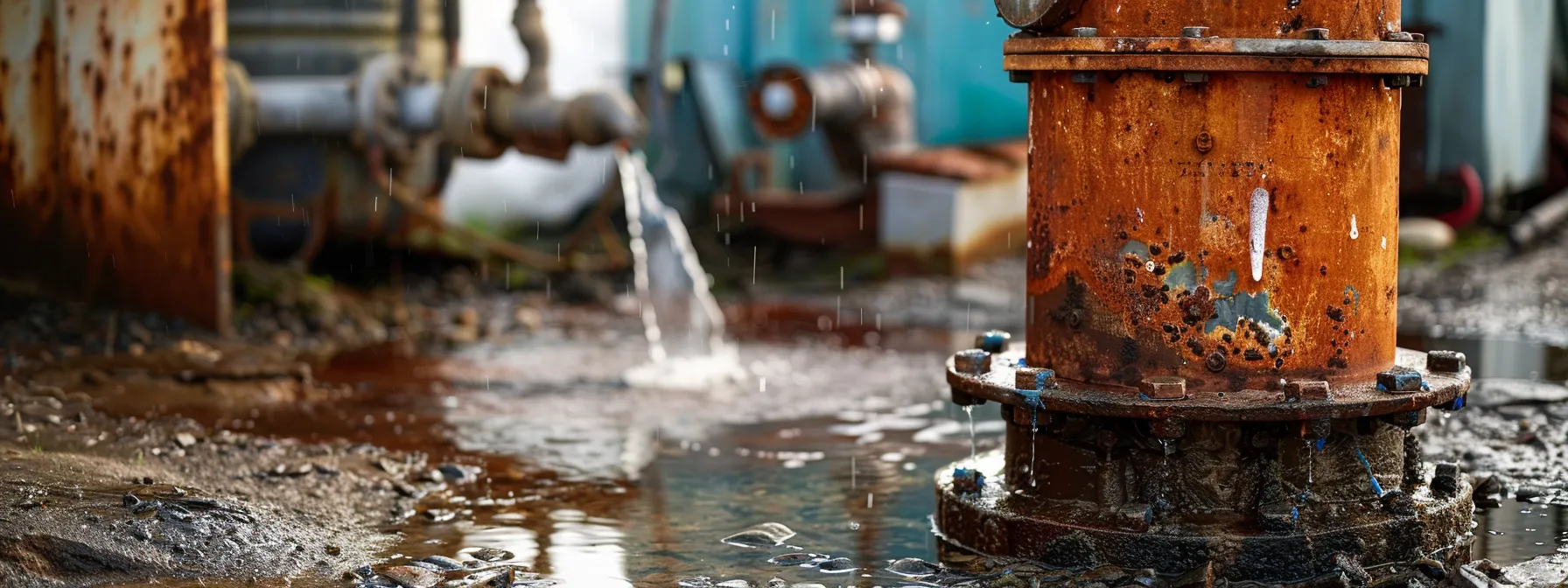
Inspecting for physical damage or leaks in pressure tanks is a vital step in troubleshooting well water flow issues. Homeowners should regularly examine the tank for visible signs of wear, such as rust, cracks, or bulging, which can indicate structural problems that may lead to leaks. Addressing these issues promptly can prevent further complications, ensuring the pressure tank operates efficiently and maintains consistent water flow.
Regularly check for visible signs of wear, such as rust or cracks.
Look for bulging areas that may indicate structural problems.
Address any leaks immediately to prevent further complications.
Testing the Well Pump's Cycling Frequency
Testing the well pump's cycling frequency is essential for diagnosing issues related to faulty pressure tanks. Homeowners should monitor how often the pump activates during water usage; excessive cycling can indicate that the pressure tank is not maintaining adequate pressure. By keeping track of the cycling frequency, homeowners can identify potential problems early, allowing for timely maintenance and preventing costly repairs:
Monitor the pump's activation frequency during regular water use.
Identify any unusual patterns in cycling that may signal a problem.
Address issues promptly to maintain efficient water flow and system longevity.
Fixing pressure tank issues is just the beginning. The next step reveals how to restore the steady flow of water that every home needs.
Solutions for Restoring Proper Water Flow
Restoring proper water flow in well water systems involves several key actions. Repairing or replacing the pressure tank is essential when significant issues arise. Adjusting pressure settings to optimal levels ensures efficient water delivery. Additionally, implementing regular maintenance practices can prevent future problems and enhance system reliability. Each of these steps plays a vital role in maintaining consistent water flow and overall system performance.
Repairing or Replacing the Pressure Tank
Repairing or replacing the pressure tank is a critical step in restoring proper water flow in well water systems. When a pressure tank exhibits signs of failure, such as leaks or inconsistent pressure, homeowners should assess whether repairs are feasible or if a complete replacement is necessary. For instance, if the bladder is damaged, replacing the tank may be more cost-effective than attempting repairs, ensuring reliable water delivery and preventing further issues down the line.
Action
When to Consider
Benefits
Repairing the Pressure Tank
Minor leaks or pressure fluctuations
Cost-effective solution, extends tank life
Replacing the Pressure Tank
Severe damage or frequent issues
Improved efficiency, reliable water flow
Adjusting Pressure Settings to Optimal Levels
Adjusting pressure settings to optimal levels is essential for restoring proper water flow in well water systems. Homeowners should regularly check the pressure gauge and ensure that the settings align with the manufacturer's specifications, typically between 38 to 60 psi. By maintaining these optimal levels, the system can deliver consistent water pressure, reducing the risk of pump cycling and enhancing overall efficiency, ultimately leading to a more reliable water supply.
Implementing Regular Maintenance Practices
Implementing regular maintenance practices is essential for ensuring the optimal performance of pressure tanks in well water systems. Homeowners should schedule routine inspections to check for leaks, assess pressure settings, and evaluate the overall condition of the tank. By addressing minor issues promptly, such as adjusting pressure levels or repairing small leaks, homeowners can prevent more significant problems that could disrupt water flow and lead to costly repairs.
Conclusion
Understanding how faulty pressure tanks impact well water flow is crucial for maintaining a reliable water supply in homes. Homeowners must recognize the signs of pressure tank issues, such as unstable water pressure and increased pump cycling, to prevent costly repairs and system failures. Regular maintenance and timely interventions can significantly enhance the efficiency and longevity of well water systems. By prioritizing the health of pressure tanks, homeowners ensure consistent water delivery and protect their investment in well water infrastructure.
Municipal water is treated before it reaches your home, which gives many homeowners confidence in the water coming from their taps. City water systems are regulated and monitored, but treatment is not always the final step in the water's journey. […]
Clean, safe water is essential for every home, but not all water sources are treated the same. For homeowners using well water or those concerned about bacteria and other microorganisms, additional treatment may be necessary. One option that has gained […]
Steady water pressure is something most homeowners expect. When that pressure starts to surge, drop, and surge again, it can quickly become frustrating. Pulsating water flow is more than just an inconvenience. It often signals an issue within the well […]
Our commitment to exceptional service is reflected in the feedback from our satisfied customers. We invite you to view recent comments and testimonials on our website to see why homeowners consistently choose Monticello Pump Services for their water pressure and well pump needs. Their experiences speak volumes about our reliability, professionalism, and the lasting quality of our solutions.
Paul at Monticello is the perfect example of what is great customer service and what it means to be a truly good human being. Not only is Paul extremely knowledgeable about sump pumps but he is extremely patient and fair. I highly recommend this business and working with Paul if you ever have any sump pump related issues. I can’t thank you enough, Paul!!
Anuj S.
Called Monticello at 4:20AM Super Bowl Sunday and the phone was answered by Paul the owner. Clearly I woke him from a dead sleep but he immediately worked with me over the phone to determine why I did not have water. He spent at least 45 minutes working me through diagnosing the problem which ended up being a loose fuse, the best we could determine. He refused to take any payment for his help which I would have gladly paid. He could have scheduled a service call which he felt was not necessary, he said he just wanted to get the water back on for my family. In todays world so few Company’s and people exist that would do something like this that it shocks you. Thank you Paul!!!!!
Reid B.
I had Monticello install a constant water pressure system into my house on a Saturday afternoon. It only took the crew five hours to install. I am so happy I went with the upgrade because now I can take a shower using my body massage shower, you can definitely feel a 100% improvement in the water pressure.
Kay Zangler
Wonderful gentleman. Troubleshooted and walked me through my well water problem. I highly recommend using them for all of your well issues. Excellent customer service. Very personal. Highly professional. Could have charged me for an emergency call out. He called me back 3 times to verify that all systems were up and running.
Dot
My house is on a well and Monticello installed a constant pressure system. Now when we take showers or use the hose outside, the water pressure is unbelievable.
Phil Joseph
I woke up one morning with no water, someone over the phone at Monticello Pump Service walked me step by step in trying to get my water back for me and it worked. After I was done speaking to Monticello I had my water back on and was up and running again.
Thomas Tran
I use Monticello for all my well water needs. They are very polite, professional and on time.
Jackie Bump
Posted on
Ahmet Kendir
Trustindex verifies that the original source of the review is Google.
He is the best person that I have ever known. My well pump went out yesterday night. I called him at 3:00AM and left a voicemail because it was emergency. He called me back at 7:00AM and troubleshooted my well problem over the phone this morning for free. “NO COST” It’s working perfectly fine right now. If it happens again I will definitely call them to fix the parts. I will go with no other well service other than MONTICELLO ever again.
Posted on
Mike Lausten
Trustindex verifies that the original source of the review is Google.
The best in the business when it comes to any issues with your well- Jason is a true professional and the team at Monticello Pump is first and only call you should make if you need help with anything having to do with your well!
Posted on
Anthony Hanrahan
Trustindex verifies that the original source of the review is Google.
Elite customer services.
Posted on
Howard Ackerman
Trustindex verifies that the original source of the review is Google.
I strongly recommend Monticello Pump Services. Friday night, we had no water. Jason from MPS was here by 8 a.m. Saturday and had the problem diagnosed and fixed within a few minutes.
Posted on
Patrick Fuchs
Trustindex verifies that the original source of the review is Google.
Highly recommend. Jason troubleshooted my well problem over the phone in the evening, came over expeditiously, and fixed the broken adapter at a reasonable price. He was very responsive throughout the process, including on other plumbing matters. Great service and good people. I am very glad I called them. I will be recommending Monticello to my neighbors.
Posted on
Ben LNU
Trustindex verifies that the original source of the review is Google.
Helpful diagnosis info and diagrams on the website. I've needed their help twice and they have always been rapid to respond. Fair pricing for exceptional service. Very good, patient explanations about the components of the system and condition of each. Didn't know they also handle sump pumps and sewage ejection pumps.
Posted on
CJ Horselover
Trustindex verifies that the original source of the review is Google.
Monticello just left. I couldn't be happier. Jason explained the whole process from testing to potential solutions. What I really liked was that they tried the simplest and least expensive option to fix my well issue first and clearly explained next steps if that did not resolve the issue. They were prompt in arrival.
Posted on
Gene Dell
Trustindex verifies that the original source of the review is Google.
I will go with no other well service other than Monticello ever again! I called them on a Wednesday night after 8:00PM. Got a call back in less than 15 minutes for a well issue where we were spewing water. the next day they were out digging the 5 feet down in the heat to diagnose and fix the issue. Great customer service and great price by a great team!
Posted on
Sally Travis
Trustindex verifies that the original source of the review is Google.
Fabulous service, excellent customer service and just great guys! Our well pump stopped working and they came right out and replaced the pump. Highly recommend!
Posted on
Bill Travis
Trustindex verifies that the original source of the review is Google.
Sometimes you just get lucky. Our well pump was fried and my previous well service company couldn't get to us for days. I called Jason at Monticello Pumps and they were there by 1pm. I had a new well pump by 5pm! They came not only to assess the job, but ready to do the job. I have a new well service company.
Contact Monticello Pump Services, Inc.
Now with four locations & service areas we are closer to you than ever before, ensuring prompt and efficient service across a wider region.
If you require immediate assistance, we are available 24 hours a day, 7 days per week by calling us directly at 703-241-1673.
Get In Touch
For non-urgent inquiries or to schedule a consultation, simply fill out the form below, and our team will get back to you as soon as possible. Let Monticello Pump Services be your trusted partner for all your well water and constant pressure needs.
In addition to serving Manassas, Virginia, Monticello Well Pump Services also serve these other cities:
Great Falls, Virginia • Fairfax, Virginia • Warrenton, Virginia • Gainsville, Virginia • Haymarket, Virginia • Nokesville, Virginia • Middleburg, Virginia • King George, Virginia • Lake Anna, Virginia • Chancellorsville, Virginia • Potomac & surrounding areas
Contact Info.
Manassas, Virginia:
8518 Virginia Meadows Drive Manassas, VA 20109
703-241-1673
Frederickburg, Virginia
Frederickburg, Virginia 22401 & surrounding areas
540-785-8355
Toll-Free: 1800-462-1333
Leesburg, Virginia:
722 E. Market Street, Suite 102 Leesburg, VA 20176