A drop in well water pressure in winter can feel sudden, especially when showers, laundry, and dishwashers all need steady flow. Cold weather introduces a few predictable stress points in a private well system, from seasonal shifts in the water […]
When considering options for managing water supply in various applications, a common dilemma arises: should one choose a submersible pump or a jet pump? Each type of pump has distinct advantages and specific use cases. This article will provide an overview of both submersible and jet pumps, compare their performance factors, and discuss installation and maintenance aspects. By the end, readers will understand which option may be more suitable for their needs, especially regarding challenges such as leak prevention and corrosion resistance in sump applications.

Submersible pumps are devices designed to function underwater, utilizing an impeller to move water through an intake system. Their key advantages include efficient operation in various applications, such as irrigation and groundwater management, while also ensuring optimal water quality. This section will explore the mechanics of submersible pumps, their benefits, and where they are commonly deployed.
Submersible pumps operate by using a sealed motor to drive an impeller, creating pressure to push water through an intake valve. This mechanism often capitalizes on the venturi effect, maximizing water flow efficiency, particularly useful in applications like well pump replacement in Manassas, VA. Constructed from durable steel, these pumps can withstand harsh conditions, offering consistent performance as a reliable booster pump for various water systems.
One of the key advantages of submersible pumps lies in their efficiency and versatility. These pumps are capable of handling large volumes of water, making them suitable for various applications including sump pump systems and irrigation setups. Made from materials such as stainless steel, they resist corrosion and can effectively handle contaminants like sand and iron, ensuring longevity and reliability in diverse environments:
Submersible pumps are widely utilized in various applications, from dewatering construction sites to managing water in storage tanks. Their ability to operate underwater allows for seamless integration with pressure switches and diffusers, ensuring effective water delivery in residential and industrial settings. For example, a submersible pump can be the ideal solution for draining flooded basements or optimizing irrigation systems, where durable wire connections are crucial for reliable performance:
The submersible pump pulls water from the depths, making it a reliable workhorse in many applications. Next, the jet pump takes a different approach, using speed and pressure to draw water from above, promising efficiency and power in various settings.
Jet pumps operate by using a combination of an engine and a jet nozzle to create suction, enabling the efficient movement of water for various applications. Key advantages include their lightweight design and energy efficiency, making them ideal for shallow well installations. This section will also cover the mechanics of jet pumps, their specific benefits, and common applications, such as handling effluent and preventing cavitation.
Jet pumps operate using a centrifugal pump mechanism, combining an engine with a jet nozzle to create suction that draws water through the pipe system. This design allows them to function efficiently in shallow well applications, making them a popular choice for homeowners needing to manage groundwater or sewage removal, particularly in basements. Constructed from durable materials like cast iron, these pumps are capable of handling heavy-duty tasks while ensuring longevity and reliability in various environments.
One significant benefit of using a jet pump lies in its efficient suction capabilities, which draw fluid through the system using a nozzle design. This mechanism generates substantial pressure, allowing for effective water movement even in shallow well applications. Its lightweight construction enhances portability, making jet pumps a practical choice for homeowners needing reliable force for tasks like groundwater management or effluent handling.
Jet pumps are commonly utilized for shallow well applications, where they draw water efficiently from groundwater sources. These pumps employ horsepower to create a vacuum that moves water through the system, effectively managing tasks such as watering gardens and supplying homes. A check valve is often integrated into the tank system to maintain water levels, ensuring consistent pressure and preventing backflow, which enhances functionality and reliability in various residential and agricultural applications.
Understanding jet pumps offers a solid foundation for evaluating their true potential. Next, examining performance factors will reveal what sets these pumps apart in efficiency and effectiveness.
Assessing performance factors is essential when comparing submersible and jet pumps. This section will cover key areas such as water output and flow rate, evaluating energy efficiency, and understanding suction lift and depth capabilities. By examining these aspects, it becomes clearer which pump type is more suitable for specific applications, ensuring reliable operation and effective water management, particularly in conditions where freezing may be a concern and an efficient electric motor is desired.
When evaluating water output and flow rate, both submersible and jet pumps exhibit distinct characteristics suited to different needs. Submersible pumps are designed to deliver higher flow rates, making them effective for applications that require significant water movement, such as irrigation or dewatering. Conversely, jet pumps are typically more suitable for shallow well applications, providing adequate pressure for home use while managing smaller volumes of water. Understanding these differences allows users to select the pump that best matches their specific operational requirements and ensures optimal water management.
Energy efficiency is a vital consideration when evaluating submersible and jet pumps, as it directly impacts operational costs and environmental sustainability. Submersible pumps typically offer higher efficiency due to their design, which reduces energy loss when moving water. In contrast, jet pumps may require more energy to create suction, making them less efficient for deeper applications. Understanding these differences can help users choose a pump that not only meets their water needs but also operates cost-effectively over time:
Understanding suction lift and depth capabilities is essential when deciding between submersible and jet pumps. Submersible pumps excel in deeper applications, as they can operate effectively at greater depths without losing suction, making them ideal for well water extraction those are situated below the water table. In contrast, jet pumps are typically limited to shallow wells due to their suction lift capacity, which can diminish quickly with increasing depth, leading users to consider the specific application requirements before making a final decision: well pump replacement manassas va.
Performance matters, but so do the ways to put machines to work. Knowing how to install and maintain them can make the difference in lasting success.
Installation requirements for submersible and jet pumps vary significantly, influencing the choice of system. Evaluating long-term maintenance needs is essential, as these factors affect ongoing operational efficiency. Cost implications also play a crucial role, impacting both initial setup and future upkeep. The following sections will clarify these considerations, aiding in the decision-making process for prospective users.
Installation requirements for submersible and jet pumps differ significantly, impacting the choice of system for potential users. Submersible pumps often necessitate a well casing to accommodate their underwater operation, which can involve more extensive installation processes compared to jet pumps that typically require a simpler setup above ground. Understanding these specific installation needs is essential in determining which pump type aligns best with the user's operational context and landscape constraints:
Evaluating long-term maintenance needs is critical when choosing between submersible and jet pumps. Submersible pumps typically require less frequent maintenance due to their submerged design, which minimizes exposure to environmental elements, reducing wear and tear. In contrast, jet pumps may demand more regular upkeep, such as air pressure checks and potential part replacements, making it essential for users to consider the long-term implications of operational costs and convenience associated with each pump type.
The cost implications of installation and maintenance for submersible and jet pumps can significantly influence the decision-making process. Submersible pumps typically involve higher initial costs due to the requirement for deep well casings and specific placement, but they tend to incur lower maintenance expenses over time due to their design, which minimizes exposure to contaminants and environmental factors. In contrast, jet pumps generally have a lower upfront cost and simpler installation, yet they may require more frequent maintenance, such as regular checks for air pressure and potential component replacements, leading to increased long-term expenses. Understanding these factors can help users select the pump that aligns best with their budget and operational needs.
Installation is just the beginning. What comes next is the pulse of the pump—its noise and how it fits into the daily rhythm of work.

Analyzing noise levels in submersible and jet pumps highlights significant differences that can impact user experience. Jet pumps typically produce more sound during operation, which could affect nearby environments. Additionally, considering the environmental impacts and aesthetics of each pump type fosters informed decisions about installation, ensuring suitable choices for various settings and preferences.
Noise levels can significantly affect the user experience when comparing submersible and jet pumps. Submersible pumps are generally quieter as they operate underwater, reducing sound transmission to the surface, which is particularly beneficial for residential applications where noise may disturb occupants. In contrast, jet pumps tend to produce more audible noise during operation, which can be a consideration for users seeking a peaceful environment, especially in locations where noise regulations may be enforced or where aesthetics play a vital role in system selection.
When selecting between submersible and jet pumps, considering the environmental impact and aesthetics is crucial. Submersible pumps operate quietly beneath the water's surface, minimizing noise disturbance, which is particularly advantageous for residential areas. In contrast, jet pumps generate more sound during operation, which can affect the serenity of the surrounding environment. Therefore, the choice of pump should align with the user's preference for noise levels and the desire to maintain a quiet, aesthetically pleasing space, while also ensuring sustainable water management practices are upheld.
Noise can drown out the purpose of a good pump. Now, it is time to turn attention to selecting the right one for your specific needs.
Choosing the right pump involves several critical factors that influence overall performance and suitability. Key considerations include the specific application requirements, energy efficiency, and maintenance needs. Analyzing case studies and user experiences can provide valuable insights into real-world performance. This section offers essential tips for making informed decisions, ensuring that users select the pump best aligned with their unique needs.
When selecting between a submersible pump and a jet pump, several critical factors should be considered to determine the best fit for specific needs. Users must evaluate the pump's efficiency, depth capabilities, and maintenance requirements, as these aspects directly influence performance and long-term costs. Additionally, understanding the intended application and available space for installation can guide the final decision:
Analyzing case studies and user experiences can provide valuable insights into the practical applications of submersible and jet pumps. For instance, homeowners often report satisfaction with submersible pumps in deep well scenarios due to their efficiency and reliability in delivering water at consistent pressure. Alternatively, users in shallow well applications frequently find jet pumps advantageous for their straightforward installation and lower initial costs, illustrating that specific conditions and needs significantly influence the choice of pump:
When considering whether to choose a submersible or a jet pump, it is vital to assess specific needs such as water source depth, intended application, and maintenance capabilities. Users should evaluate the efficiency of both pump types, keeping in mind factors such as energy consumption and reliability under various conditions. Gathering information through reviews and case studies can provide insights into how each pump performs in real-world scenarios, aiding users in making a fully informed decision:
Choosing between submersible and jet pumps hinges on factors such as application needs, depth capabilities, and maintenance commitments. Submersible pumps excel in deeper applications with higher efficiency and lower maintenance requirements, while jet pumps are suitable for shallow wells and offer easier installation. Understanding these distinctions empowers users to make informed decisions that suit their unique circumstances. Ultimately, selecting the right pump significantly impacts water management efficiency and operational costs, highlighting the importance of thorough evaluation before making a choice.
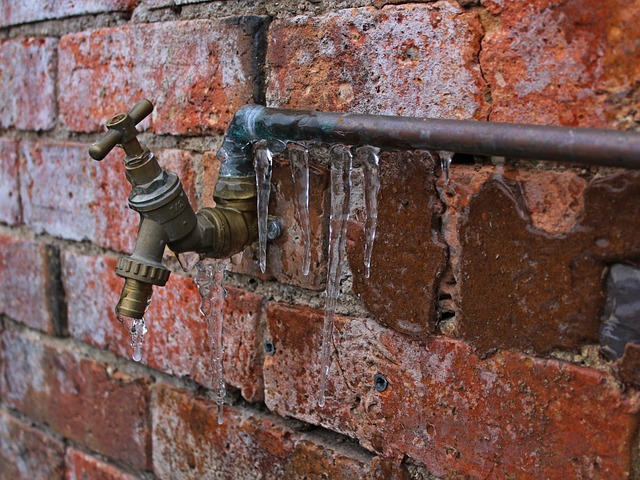
A drop in well water pressure in winter can feel sudden, especially when showers, laundry, and dishwashers all need steady flow. Cold weather introduces a few predictable stress points in a private well system, from seasonal shifts in the water […]

When winter temperatures drop, Northern Virginia homeowners often focus on keeping their homes warm, but freezing weather can pose serious risks to private well systems [1] if proper precautions aren’t taken. Even in regions that don’t typically experience harsh winters, […]
A home with a private well depends on more than just turning on the faucet. Behind the steady flow of water is a system working every day to pump, store, and deliver what your household needs. While it often runs […]