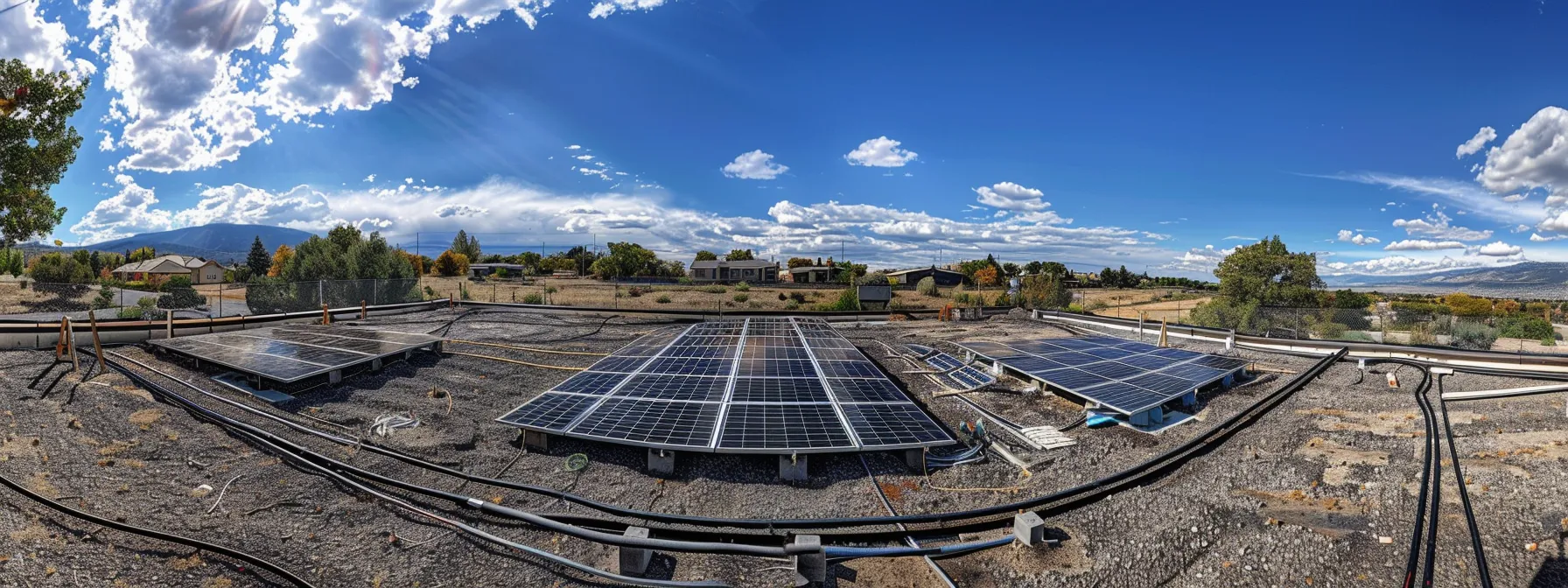
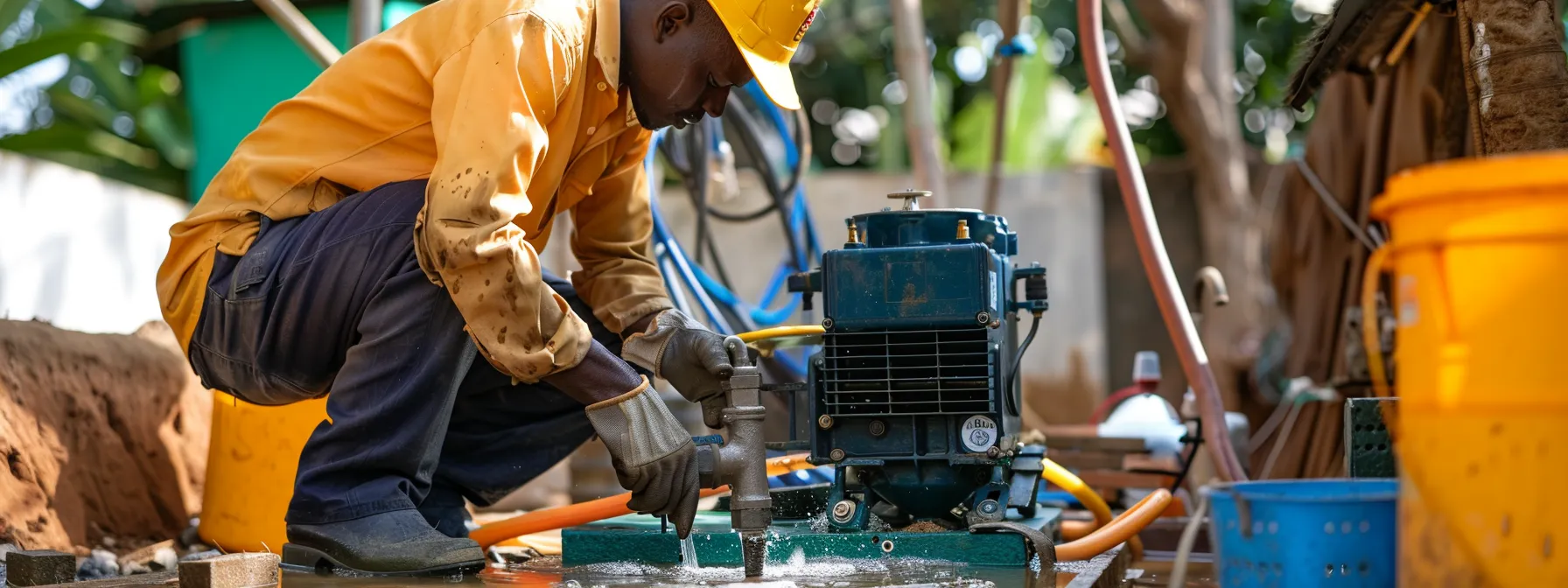
Step-by-Step Guide to Solar Well Pump Installation
Are you struggling to find an efficient way to pump water from a well? Installing a solar well pump can solve this issue while providing reliable energy savings. This guide will walk through the essential steps of setting up a solar well pump system, including assessing water needs, gathering the right tools, and completing the installation. Readers will learn how to maintain optimal water pressure and ensure the system functions as a dependable backup that can work with a storage tank or even draw from a pond. With this information, achieving sustainable water supply becomes straightforward.
Key Takeaways
A solar well pump system reduces operating costs and environmental impact for water supply needs
Proper calculation of water flow and pressure is crucial for selecting an appropriate pump
Regular inspections and cleaning help maintain solar well pump efficiency and longevity
Understanding site conditions and solar exposure is essential for effective installation and performance
Implementing a biannual maintenance schedule can prevent costly repairs and ensure reliable operation
Understanding Solar Well Pump Systems
A solar well pump system comprises essential components such as a centrifugal pump, electric motor, and pressure switch, all designed to harness sunlight for optimal performance. The benefits of using solar energy for irrigation include lower operating costs and reduced environmental impact. Various types of solar well pumps are available, each suited to different applications and energy needs, making it crucial to choose the right system.
Components of a Solar Well Pump System
A solar well pump system typically includes several key components that work together to efficiently deliver water using renewable energy. A centrifugal pump, such as those produced by Grundfos, is responsible for moving water from the well to the surface. Additionally, a battery charger ensures that the system maintains a steady power supply, while a float switch helps regulate water levels to prevent overflow and maintain optimal operation. Understanding these components is essential for anyone considering solar well pump installation, as the right configuration can lead to significant energy savings and improved system reliability.
Benefits of Using Solar Energy for Well Pumps
Utilizing solar power for well pumps offers numerous advantages, particularly for agriculture, where reliable water supply is essential. By harnessing sunlight, farmers can significantly reduce operating costs that typically arise from using electric power. A solar well pump system equipped with a charge controller ensures optimal battery management, allowing for efficient energy storage and consistent performance, even during cloudy days. This setup can provide thousands of gallons of water daily, promoting sustainable farming practices while minimizing the environmental footprint.
Types of Solar Well Pumps Available
There are various types of solar well pumps available, each designed to meet specific water needs and energy requirements. Submersible pumps are commonly used for deep wells, efficiently drawing water from significant depths and often requiring a dedicated power supply. Booster pumps, on the other hand, provide an extra surge of pressure, which is particularly beneficial for applications with long pipe runs or where additional water pressure is needed. Understanding the differences in voltage and functionality among these options is vital for selecting the right pump that aligns with the intended use and user requirements.
Now that the basics of solar well pump systems are clear, it’s time to consider what you need. Understanding your water requirements and the conditions of your site will guide the next steps.
Assessing Your Water Needs and Site Conditions
Determining the appropriate water supply for a solar well pump installation involves calculating the required water flow and pressure. Evaluating the well's depth and water levels is essential for choosing a suitable submersiblepump. Additionally, assessing solar energy exposure at your location will ensure optimal performance of the renewable energy system. This process establishes a solid foundation for a successful installation.
Calculating Required Water Flow and Pressure
Calculating the required water flow and pressure for a solar well pump system is crucial for ensuring it meets specific needs. To achieve an efficient setup, users should determine the daily water demand based on usage, such as irrigation or household needs, and calculate the required flow rate, typically measured in gallons per minute (GPM). For instance, a farm that needs 1,000 gallons per day would require approximately 0.69 GPM, factoring in operating hours and system efficiency. Proper calculations can prevent future well water pump repair issues, optimizing performance and extending the life of the equipment:
Daily Water Demand (Gallons)
Required Flow Rate (GPM)
Estimated Operating Hours
1,000
0.69
24
2,000
1.39
24
3,000
2.08
24
Evaluating Well Depth and Water Levels
Evaluating well depth and water levels is a critical step in installing a solar well pump. The depth of the well significantly influences the type of pump required, as deeper wells necessitate submersible pumps capable of efficiently drawing water from greater depths. Additionally, measuring the water table and seasonal fluctuations helps determine the availability of water, ensuring that the chosen system can reliably meet the specific water demands without risk of dry running, which can damage the pump and lead to costly repairs.
Assessing Solar Exposure at Your Location
Assessing solar exposure at a location is fundamental for the effective operation of a solar well pump system. This involves analyzing the amount of sunlight the installation site receives throughout the day and during different seasons. By utilizing tools such as solar calculators or consulting with local solar energy experts, property owners can identify optimal panel placement and ensure their system operates efficiently, maximizing performance and energy production during peak sunlight hours:
Month
Average Sunlight Hours
Recommended Pump Operation Time
January
5
4 hours
April
7
6 hours
July
10
8 hours
With a clear understanding of your water needs and the unique features of your land, the next step is to gather the right tools and equipment. The right gear will make the task easier and ensure that nothing is overlooked as you move forward.
Gathering Necessary Tools and Equipment
Gathering the necessary tools and equipment is a crucial step in the solar well pump installation process. This includes essential tools for effective installation, selecting the right solar panels and mounting hardware, and ensuring safety gear and precautions are in place. Each of these topics will provide practical insights that help streamline the installation and ensure optimal performance of the solar well pump system.
Essential Tools for Installation
For a successful solar well pump installation, essential tools include a wrench set, pliers, and a drill, ensuring ease when handling various components. A measuring tape is also crucial for accurate measurements, particularly when positioning solar panels and assessing pipe lengths. Having a level on hand will facilitate proper alignment of the system elements, ultimately enhancing operational efficiency and reliability.
Selecting the Right Solar Panels and Mounting Hardware
Selecting the right solar panels and mounting hardware is crucial for the effectiveness of a solar well pump installation. The chosen solar panels should match the power requirements of the pump, ensuring sufficient energy is harnessed throughout the day. Additionally, quality mounting hardware is necessary to secure the panels in place, accommodating local weather conditions and optimizing the angle of exposure to sunlight for maximum efficiency.
Safety Gear and Precautions
Ensuring safety during solar well pump installation is paramount. Proper safety gear, such as gloves, safety glasses, and hard hats, should be worn to protect against potential hazards like sharp tools and falling objects. Additionally, adhering to safety precautions, such as working in a well-ventilated area and checking for electrical risks, can prevent accidents and ensure an efficient installation process.
With tools gathered and equipment ready, the next step awaits. Preparing the site for installation will set the stage for a successful solar energy project.
Preparing the Site for Installation
Preparing the site for solar well pump installation involves several critical steps to ensure optimal functionality. This includes installing the solar panel mounting structure, which secures panels in the best position for sunlight exposure. Furthermore, performing electrical wiring safely is essential to prevent hazards. Setting up the control box and batteries will also be covered to facilitate efficient energy management.
Installing the Solar Panel Mounting Structure
Installing the solar panel mounting structure is a critical step to ensure optimal performance of a solar well pump system. This structure should be positioned to capture maximum sunlight, typically facing true south in the Northern Hemisphere to enhance energy collection throughout the day. Ensuring that the mounting structure is securely anchored will prevent damage during adverse weather conditions, thereby maintaining the stability and efficiency of the solar panels during operation.
Performing Electrical Wiring Safely
Performing electrical wiring safely is a critical aspect of solar well pump installation. To ensure safety, installers should disconnect any power sources before starting work and use insulated tools to reduce the risk of electrical shock. Additionally, following the manufacturer's wiring diagrams helps maintain proper connections and avoid costly errors, ultimately contributing to a reliable solar pump system that operates efficiently.
Setting Up the Control Box and Batteries
Setting up the control box and batteries is vital for a solar well pump installation, as this component manages the energy flow efficiently. The control box should be located in a sheltered area to protect it from harsh environmental conditions, while batteries must be secured in a stable position to prevent movement and damage. Ensuring proper connections between the control box, batteries, and the solar panels is essential to maintain reliable performance and maximize the system's longevity.
The site lay ready and waiting. Soon, the solar well pump would find its place, bringing life and water to the land.
Installing the Solar Well Pump
Lowering the pump into the well correctly is vital for effective operation. Following that, it is essential to connect the pump to the power source to ensure a reliable energy supply. Finally, testing the pump functionality will verify that the system operates as intended, providing critical insights into its performance and any necessary adjustments.
Lowering the Pump Into the Well Properly
Lowering the pump into the well must be executed with precision to ensure optimal operation and to prevent damage. The process involves carefully guiding the pump down the well casing, ensuring that the electrical and water lines are not kinked or damaged during installation. Properly securing the cables and using a hoist or pulley can simplify this task, ensuring the pump is positioned correctly and allowing for efficient water extraction:
Gather necessary tools and equipment.
Prepare the pump for lowering by securing all connections.
Use a hoist or pulley system to lower the pump gently into the well.
Check for proper positioning and alignment once the pump reaches the desired depth.
Connecting the Pump to the Power Source
Connecting the pump to the power source is a critical step in the installation of a solar well pump system. It involves linking the electrical connections from the pump to the control box, ensuring that the power supplied is both stable and reliable for optimal pump performance. Proper attention to detail during this process prevents issues such as intermittent power supply or electrical faults that could affect the pump's functionality:
Confirm all electrical connections match the manufacturer's specifications.
Secure the wiring to minimize movement and potential wear.
Check for water ingress protection to extend the system's lifespan.
Testing the Pump Functionality
Testing the pump functionality is a critical final step in the installation of a solar well pump system. After the pump is connected to the power source, it is essential to run the system and monitor its performance, ensuring that it operates smoothly and delivers the expected water flow. By checking for any irregularities, such as noise or fluctuations in pressure, users can confirm that the installation was successful and make adjustments if necessary, thereby preventing future operational issues and ensuring the long-term reliability of the system.
The solar well pump is now in place, ready to harness the sun’s energy. To keep it running smoothly, understanding maintenance and troubleshooting becomes essential.
Maintenance and Troubleshooting Tips
Regular inspection and cleaning procedures are essential to maintaining the efficiency of a solar well pump system. This section also addresses common issues that may arise and provides solutions to tackle them effectively. Additionally, tips for optimizing system performance over time will ensure that the solar well pump continues to operate smoothly, delivering a reliable water supply.
Regular Inspection and Cleaning Procedures
Regular inspection and cleaning of a solar well pump system are vital to ensuring optimal performance and longevity. Owners should routinely check for any signs of wear or debris that may obstruct the pump or solar panels, which can significantly affect efficiency. Implementing a biannual maintenance schedule allows for early detection of potential issues, reducing the risk of costly repairs and ensuring reliable water supply for various applications.
Common Issues and How to Address Them
Common issues that may arise with solar well pump systems include inadequate water flow, electrical faults, and pump noise. Inadequate water flow can often be traced to clogged filters or low water levels in the well, requiring regular checks and maintenance to ensure optimal operation. Electrical faults may stem from loose wiring or faulty connections; thus, verifying all electrical setups and ensuring proper insulation can prevent disruptions. Additionally, persistent pump noise could indicate mechanical issues, which may necessitate professional inspection to resolve and maintain system efficiency.
Optimizing System Performance Over Time
To optimize the performance of a solar well pump system over time, it is essential to routinely perform maintenance checks and keep components clean and free from debris. Regularly inspecting solar panels for dirt or obstructions ensures they can capture maximum sunlight, while checking pump filters and replacing them as needed prevents clogs that can hinder water flow. Users can also monitor battery health and connections to safeguard against energy inefficiencies and possible system failures.
Maintenance Task
Frequency
Description
Inspect Solar Panels
Monthly
Check for debris and clean panels to maximize sunlight absorption.
Replace Pump Filters
Quarterly
Swap out filters to avoid clogs and ensure steady water flow.
Monitor Battery Health
Biannually
Check battery connections and performance to prevent energy loss.
Conclusion
The "Step-by-Step Guide to Solar Well Pump Installation" highlights the critical components and considerations necessary for a successful setup. By understanding water needs, selecting the right equipment, and ensuring proper maintenance, users can optimize performance and sustainability. This guide empowers individuals to harness solar energy effectively for reliable water supply solutions. Ultimately, adopting solar well pump systems not only reduces operating costs but also contributes positively to the environment.
Winter weather brings snow, ice, and the widespread use of road treatments designed to keep roads safe for travel. Salt and chemical deicers play a major role in preventing accidents and improving traction during storms. However, once snow melts and […]
A drop in well water pressure in winter can feel sudden, especially when showers, laundry, and dishwashers all need steady flow. Cold weather introduces a few predictable stress points in a private well system, from seasonal shifts in the water […]
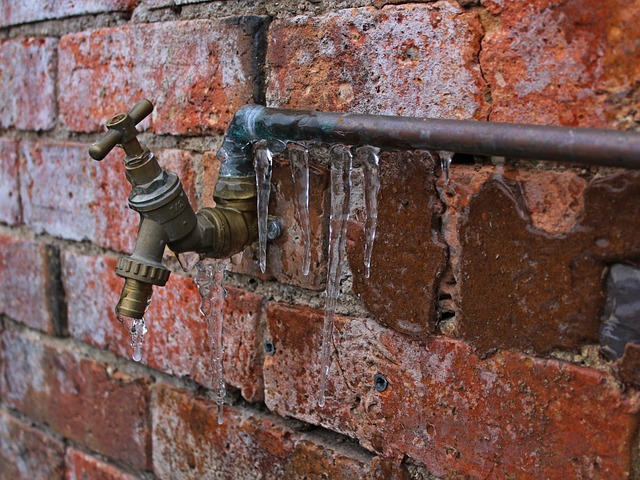
When winter temperatures drop, Northern Virginia homeowners often focus on keeping their homes warm, but freezing weather can pose serious risks to private well systems [1] if proper precautions aren’t taken. Even in regions that don’t typically experience harsh winters, […]
Our commitment to exceptional service is reflected in the feedback from our satisfied customers. We invite you to view recent comments and testimonials on our website to see why homeowners consistently choose Monticello Pump Services for their water pressure and well pump needs. Their experiences speak volumes about our reliability, professionalism, and the lasting quality of our solutions.
Paul at Monticello is the perfect example of what is great customer service and what it means to be a truly good human being. Not only is Paul extremely knowledgeable about sump pumps but he is extremely patient and fair. I highly recommend this business and working with Paul if you ever have any sump pump related issues. I can’t thank you enough, Paul!!
Anuj S.
Called Monticello at 4:20AM Super Bowl Sunday and the phone was answered by Paul the owner. Clearly I woke him from a dead sleep but he immediately worked with me over the phone to determine why I did not have water. He spent at least 45 minutes working me through diagnosing the problem which ended up being a loose fuse, the best we could determine. He refused to take any payment for his help which I would have gladly paid. He could have scheduled a service call which he felt was not necessary, he said he just wanted to get the water back on for my family. In todays world so few Company’s and people exist that would do something like this that it shocks you. Thank you Paul!!!!!
Reid B.
I had Monticello install a constant water pressure system into my house on a Saturday afternoon. It only took the crew five hours to install. I am so happy I went with the upgrade because now I can take a shower using my body massage shower, you can definitely feel a 100% improvement in the water pressure.
Kay Zangler
Wonderful gentleman. Troubleshooted and walked me through my well water problem. I highly recommend using them for all of your well issues. Excellent customer service. Very personal. Highly professional. Could have charged me for an emergency call out. He called me back 3 times to verify that all systems were up and running.
Dot
My house is on a well and Monticello installed a constant pressure system. Now when we take showers or use the hose outside, the water pressure is unbelievable.
Phil Joseph
I woke up one morning with no water, someone over the phone at Monticello Pump Service walked me step by step in trying to get my water back for me and it worked. After I was done speaking to Monticello I had my water back on and was up and running again.
Thomas Tran
I use Monticello for all my well water needs. They are very polite, professional and on time.
Jackie Bump
Posted on
Ahmet Kendir
Trustindex verifies that the original source of the review is Google.
He is the best person that I have ever known. My well pump went out yesterday night. I called him at 3:00AM and left a voicemail because it was emergency. He called me back at 7:00AM and troubleshooted my well problem over the phone this morning for free. “NO COST” It’s working perfectly fine right now. If it happens again I will definitely call them to fix the parts. I will go with no other well service other than MONTICELLO ever again.
Posted on
Mike Lausten
Trustindex verifies that the original source of the review is Google.
The best in the business when it comes to any issues with your well- Jason is a true professional and the team at Monticello Pump is first and only call you should make if you need help with anything having to do with your well!
Posted on
Anthony Hanrahan
Trustindex verifies that the original source of the review is Google.
Elite customer services.
Posted on
Howard Ackerman
Trustindex verifies that the original source of the review is Google.
I strongly recommend Monticello Pump Services. Friday night, we had no water. Jason from MPS was here by 8 a.m. Saturday and had the problem diagnosed and fixed within a few minutes.
Posted on
Patrick Fuchs
Trustindex verifies that the original source of the review is Google.
Highly recommend. Jason troubleshooted my well problem over the phone in the evening, came over expeditiously, and fixed the broken adapter at a reasonable price. He was very responsive throughout the process, including on other plumbing matters. Great service and good people. I am very glad I called them. I will be recommending Monticello to my neighbors.
Posted on
Ben LNU
Trustindex verifies that the original source of the review is Google.
Helpful diagnosis info and diagrams on the website. I've needed their help twice and they have always been rapid to respond. Fair pricing for exceptional service. Very good, patient explanations about the components of the system and condition of each. Didn't know they also handle sump pumps and sewage ejection pumps.
Posted on
CJ Horselover
Trustindex verifies that the original source of the review is Google.
Monticello just left. I couldn't be happier. Jason explained the whole process from testing to potential solutions. What I really liked was that they tried the simplest and least expensive option to fix my well issue first and clearly explained next steps if that did not resolve the issue. They were prompt in arrival.
Posted on
Gene Dell
Trustindex verifies that the original source of the review is Google.
I will go with no other well service other than Monticello ever again! I called them on a Wednesday night after 8:00PM. Got a call back in less than 15 minutes for a well issue where we were spewing water. the next day they were out digging the 5 feet down in the heat to diagnose and fix the issue. Great customer service and great price by a great team!
Posted on
Sally Travis
Trustindex verifies that the original source of the review is Google.
Fabulous service, excellent customer service and just great guys! Our well pump stopped working and they came right out and replaced the pump. Highly recommend!
Posted on
Bill Travis
Trustindex verifies that the original source of the review is Google.
Sometimes you just get lucky. Our well pump was fried and my previous well service company couldn't get to us for days. I called Jason at Monticello Pumps and they were there by 1pm. I had a new well pump by 5pm! They came not only to assess the job, but ready to do the job. I have a new well service company.
Contact Monticello Pump Services, Inc.
Now with four locations & service areas we are closer to you than ever before, ensuring prompt and efficient service across a wider region.
If you require immediate assistance, we are available 24 hours a day, 7 days per week by calling us directly at 703-241-1673.
Get In Touch
For non-urgent inquiries or to schedule a consultation, simply fill out the form below, and our team will get back to you as soon as possible. Let Monticello Pump Services be your trusted partner for all your well water and constant pressure needs.
In addition to serving Manassas, Virginia, Monticello Well Pump Services also serve these other cities:
Great Falls, Virginia • Fairfax, Virginia • Warrenton, Virginia • Gainsville, Virginia • Haymarket, Virginia • Nokesville, Virginia • Middleburg, Virginia • King George, Virginia • Lake Anna, Virginia • Chancellorsville, Virginia • Potomac & surrounding areas
Contact Info.
Manassas, Virginia:
8518 Virginia Meadows Drive Manassas, VA 20109
703-241-1673
Frederickburg, Virginia
Frederickburg, Virginia 22401 & surrounding areas
540-785-8355
Toll-Free: 1800-462-1333
Leesburg, Virginia:
722 E. Market Street, Suite 102 Leesburg, VA 20176