Free Emergency Troubleshooting 24/7

Low Water Pressure Solutions

Free Emergency Troubleshooting 24/7
Virginia Low Water Pressure Repair
Low water pressure in your home is often an inconvenience, but it could also mean that there are some more significant problems at home that need to be addressed. Whether you are trying to take a hot shower, run the dishwasher, or do a load of laundry, low water pressure can be a major disruption that impacts your day-to-day life. In the most severe cases, you might even experience no water pressure in your house at all, bringing daily activities to a complete halt. This can be a sign of critical system failures requiring immediate attention. Monticello Pump Services is proud to serve the state of Virginia by diagnosing and repairing low water pressure issues to ensure your daily life is not interrupted.
What Are the Most Common Causes of Low Water Pressure?
If you are experiencing low water pressure in your household, there are a number of different issues that could be causing it. Some of the most common causes for low water pressure that we have encountered include:
 

Low Water Pressure Solutions

 
Clogged Aerators and Faucets
 
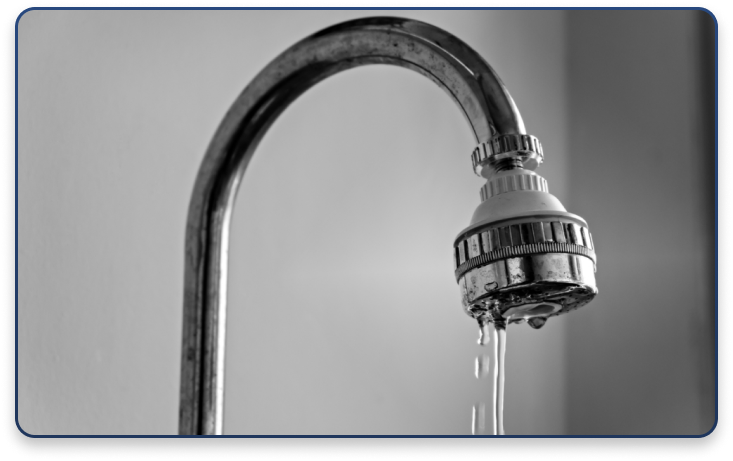
Aerators and faucets frequently develop mineral buildup that may considerably restrict water flow. Regular maintenance and cleaning of aerators and faucets can help resolve low water pressure at individual fixtures. 
 
Malfunctioning Valves
 
If a valve is either partially closed or is not functioning properly, it can reduce water pressure at specific points. It is important to make sure that all valves are fully open and functioning properly to maintain a consistent water pressure. 
 
These issues pertain to single fixture issues, where water pressure is particularly low in certain faucets or appliances. These issues are often able to be resolved quickly and on your own at home, though our team provides outstanding low water pressure repair for all Virginia residents who are in need. However, if these seemingly minor issues escalate or if you suddenly have no water pressure in your house from a specific fixture, it could indicate a more widespread problem requiring professional assessment. We are also able to provide assistance to those who are experiencing low water pressure throughout their entire house, rather than just one or two fixtures in particular. If you are experiencing difficulty with your water pressure throughout your entire house, some of the most common causes include:
Low Water Pressure Solutions
Clogged Aerators and Faucets
 
Aerators and faucets frequently develop mineral buildup that may considerably restrict water flow. Regular maintenance and cleaning of aerators and faucets can help resolve low water pressure at individual fixtures. 
 
Malfunctioning Valves
 
If a valve is either partially closed or is not functioning properly, it can reduce water pressure at specific points. It is important to make sure that all valves are fully open and functioning properly to maintain a consistent water pressure. 
 
These issues pertain to single fixture issues, where water pressure is particularly low in certain faucets or appliances. These issues are often able to be resolved quickly and on your own, though our team provides outstanding low water pressure repair for all Virginia residents who are in need. We are also able to provide assistance to those who are experiencing low water pressure throughout their entire house, rather than just one or two fixtures in particular. If you are experiencing difficulty with your water pressure throughout your entire house, some of the most common causes include: 
 
Water Heater Problems
 
A water heater failing can be one of the most disastrous problems that a homeowner can experience. Sediment can build up in your water heater over time, which can impact the overall water pressure in your home. It is important to do regular maintenance on your water heater and can be helpful to flush the water heater if you are experiencing any issues with your water pressure. 
 
Electrical Issues
 
Most people do not immediately think of electrical issues as having anything to do with low water pressure, but the truth is that power outages or tripped circuit breakers could impact the functionality of well pumps and other components, which could lead to reduced pressure. In severe cases, a complete electrical failure to your pump can result in no water pressure in your house whatsoever.
 
Plumbing Valve Problems
 
It is possible that your plumbing system contains faulty or improperly adjusted valves that may be affecting the water pressure throughout your house. It is highly recommended that you regularly inspect the valves to ensure that your plumbing system is running smoothly. 
 
Well Pump and Pressure Tank Issues
 
As well pumps and pressure tanks begin to age, it can lead to inconsistent water pressure in your home. It is important to properly maintain these components and replace them when necessary to make sure that your water pressure remains consistent. A failing well pump or a ruptured pressure tank can lead to a complete loss of water pressure, leaving you with no water pressure in your house.
 
There are quite a few different factors that could be contributing to low water pressure in your home. Monticello Pump Services is proud to offer low water pressure repair to Virginia households. We are committed to making sure that your daily life is not disrupted by low water pressure in your home. We are able to offer low water pressure solutions that make sure you and your family have the peace of mind that you deserve. If you're experiencing water quality problems along with low pressure, our Water Quality Testing can identify contaminants and provide tailored treatment solutions.

Diagnosing Low Water Pressure

We mentioned a few problems that could be causing low water pressure issues at home, but how can you identify which problem is the culprit? Being able to identify the issue quickly can help get your household back on track and effectively fix any low water pressure problems. Here are some things to keep an eye out for when diagnosing water pressure issues in your home:
 

Consistent Low Pressure


Check Different Fixtures

 
Inspecting faucets and showerheads for blockages can help you identify mineral buildup that may be contributing to your low water pressure. Regularly cleaning your faucets can help improve your water flow. 
 
Shut-off Valves
 
Ensure that all shut-off valves are fully open. Partially closed valves may impact functionality and reduce water pressure in your home.
 
Pressure Tank Gauges
 
Check the pressure gauge on your pressure tank. If there are consistently low readings, it likely means there is a problem with your tank or the pump system altogether. Regularly monitoring your pressure gauge can help identify problems early and prevent more major issues from arising. 
 
If you are experiencing consistently low water pressure issues in your home, start by inspecting these areas and see if you can identify any lower water pressure solutions. These are common issues that you can diagnose and maybe even resolve by yourself. If none of these solutions seem to do the job and you are still experiencing low water pressure, or if you were not able to diagnose a problem at all, give Monticello Pump Services a call. We offer low water pressure repair for residents all over the state of Virginia. 
 
Some instances of low water pressure are more intermittent, which can make them more difficult to diagnose. If your household is experiencing intermittent low water pressure problems, here are some things you can check that may help diagnose the problem:


Intermittent Low Pressure

 
Persistent Low Water Pressure
 
If your DIY approach was not successful and you are having consistent problems with low water pressure at home, it may be a sign of a more complicated and significant issue.
 
Well Pump or Pressure Tank Failure
 
If you are noticing unusual noises or erratic pressure levels, professional help is recommended. Complications this serious often require professional inspections and repairs. 
 
Water Quality Issues
 
If you notice discolored or contaminated water in your home, it might be a sign of a more significant issue within your well or plumbing system. If this is the case, we strongly encourage you to contact Monticello for professional low water pressure repair. 

Common Solutions for Low Water Pressure

Monticello offers a wide range of low water pressure solutions that can help maintain consistent water pressure in your home. Some common solutions for low water pressure repair include:
 
Pressure Boosting Systems
 
A constant pressure system will help maintain consistent water pressure throughout your entire house, regardless of how much water you use. Hiring a professional to install a pressure boosting system will ensure that the system is fully functional and long-lasting. 
 
Well Repair
 
Addressing any glaring issues with your well pumps and pressure tanks is essential for ensuring consistent water pressure. Regular maintenance helps make sure that your well system is in tip-top shape and is functioning properly. 
 
Water Treatment Solutions
 
Installing filters and treatment systems is an effective form of contaminant removal. They will improve your water quality and flow, potentially solving any issues caused by contaminants. 
 
Monticello is able to diagnose any signs of low water pressure in your home and can provide tailored solutions for your household. For premier low water pressure repair in Virginia, call Monticello today. In addition to addressing low water pressure issues, Monticello Pump Services offers Pump Repair and Replacement to maintain the efficiency and reliability of your water system.

Environmental Considerations

Maintaining proper water pressure not only enhances your home’s comfort but also contributes to water conservation. Monticello Pump Services provides eco-friendly water pressure solutions to help you save water and reduce your environmental footprint. Proper maintenance and efficient systems can significantly lower water waste, benefiting both the environment and your utility bills.

Call Monticello Today For All Your Low Water Pressure Needs

Monticello Pump Services has years of experience serving Virginia households and making sure that your water is running smoothly and consistently. Maintaining adequate water pressure in your house is essential for functionality and comfortable, daily living. We are committed to providing you with the best service imaginable by diagnosing and resolving any water pressure issues that you may encounter. For professional, reliable service in Virginia, contact Monticello today for low water pressure repair that you can trust.

Frequently Asked Questions

For homeowners in Manassas, VA, experiencing low water pressure, temporary fixes may include cleaning faucet aerators or showerheads to remove sediment buildup, checking and adjusting the water pressure regulator, or ensuring that the main shut-off valve is fully open. While these solutions can offer immediate relief, it's important to seek professional help for a long-term fix to avoid recurring issues.
Low water pressure in Manassas, VA, can sometimes affect water quality, particularly if there are leaks or if pipes are old and corroded. Reduced water pressure can lead to backflow, where contaminants from the environment or other water sources can enter your home’s water supply. Ensuring your plumbing system is in good condition helps maintain both water pressure and quality.
If you experience a sudden drop in water pressure in Manassas, VA, it’s important to act quickly. Start by checking for visible leaks, ensuring the main shut-off valve is fully open, and inspecting your pressure regulator. If the issue persists, it’s crucial to reach out to us for professional diagnosis and repair to prevent any further complications.

Additional Information in Manassas, VA

Virginia Department of Health - Drought Impact on Water Pressure and Quality: This fact sheet from the Virginia Department of Health discusses how drought conditions can affect water pressure and quality in Virginia, including tips for managing water use during droughts to maintain adequate water pressure in residential and commercial properties.
National Ground Water Association - Troubleshooting Low Water Pressure in Wells: Provides detailed guidance on identifying and resolving low water pressure issues in private wells, covering common causes and maintenance tips to ensure a steady water supply.
Virginia DEQ - Groundwater Characterization Program: Provides an in-depth overview of the state's Groundwater Characterization Program, which monitors and evaluates groundwater resources across Virginia. The program's findings are crucial for understanding groundwater availability and issues, including those related to well water pressure and sustainability.

We Fix Water Pressure Fast! Sometimes Right Over The Phone!

CALL 703-241-1673 (540) 210-0886

DIAGNOSE YOUR LOW WELL WATER PRESSURE PROBLEM
IF PRESSURE IS LOW ALL THE TIME CLICK HERE TO DIAGNOSE

Causes of Low Well Water Pressure:

  • Check your home to see if all locations are experiencing problems. If the pressure is low in only one area, like the kitchen sink, for example, check the faucet. Remove the end of it and turn the water on. If the water flow is normal, the pipe is not blocked. If the water pressure increases, check the aerator, remove any debris and replace.
  • Check the shut-of valve at the water tank. If it has been turned slightly, pressure will be impacted.
  • If only your hot water is affected, check the water heater and make sure the shut-off valve is on.
  • An electrical power outage or lightning strike may result in poor water pressure or none at all. If this happens, check for a blown fuse or tripped circuit breaker.
  • Check if the plumbing valve is closed in the piping system. This can happen when someone replaces a cartridge type water filter, turns the pump back on but forgets to turn the built-in water shutoff valve back to the ‘on’ position.
  • Check the gauge at the bottom of the tank. There should be a 20 psi differential from when the pump kicks on and back off. If there is, then you may have a restriction in a filter or valve. If the pump can’t pump or keep up with demand or is cutting off on overload, that may also be a reason why you have low water pressure. At this time, you might want to call a well water professional.

Got Questions? We’ve Got Answers! Call 703-241-1673
Northern Virginia Residents Premier Low Water Pressure Solutions Provider

IF LOW WATER PRESSURE IS INTERMITTENT CLICK HERE TO DIAGNOSE

If Your Water Pressure is Intermittent, Check the Following:

  • Has the main or some other water supply valve been partially shut off?
  • Do you see a burst pipe or water in the yard?
  • Is the well pump running?
  • Is the well pump’s electricity on?
  • Is there water in the well? If so, how much?
  • Are you waiting for the well water to recover in the well?
  • Are the well pump controls turning the pump on properly?
  • Is the well pump pulling high amperage?
  • Do you have proper voltage?

Possible Causes of Intermittent Water Pressure:

  • The well is being pumped dry and you are waiting for the water level to recover. Some wells deteriorate with age and pump out less water. This happens as minerals clog the passages the water uses to enter the well.
  • The well pump motor is overheating. You may have a model that automatically shuts off if it gets too hot. It will then turn back on once the system cools down 15-20 minutes later. You could have a bad thermal sensor switch if the pump on-off activity is erratic or lasts a long time.
  • If the pump keeps running but there is no water, there may be a problem with the well, well piping or well pump.
  • The pump may be damaged if the motor is spinning, but the pump impeller is broken and water is not moving upward.
  • Inside the well, there may be a broken water line rising from the pump if the pump is running, but delivering little or no water.

The Low Water Pressure is Intermittent:

Many things can cause low water pressure. It could be due to minor issues like the shut-off valve being closed or a faucet filter being blocked. More serious issues include pump failure, a wire short or in rare cases the well is starting to fail.

IF YOUR WATER COLOR IS MUDDY CLICK HERE TO DIAGNOSE

Is Your Well Water Brown When it Comes out of the Faucet? Here are Some Reasons Why:

  • Well water can contain natural occurring minerals, such as sulfur or iron. Large amounts of iron can turn your water brown or reddish-brown. It won’t hurt you, but it can stain clothing and plumbing fixtures. Install a filter to remove most of the iron from the water.
  • Rusty pipes can turn water brown. Your pipes may be rusty if water from certain parts of your home comes out brown, but the water from other faucets is clear. If you live in an older home, have your water tested for lead.
  • Water that contains suspended particles or dirt, leaves or other organic matter can appear brown and cloudy. Let a glass of water stand overnight and see if there is silt at the bottom the next day. Check the filter on your well pump if you see anything. Flooding can also cause silt buildup in wells. If this happens, contact a professional.
  • Rainwater, runoff from watering the lawn or runoff from your roof or gutters all drain back into the soil. The water goes through layers of dirt and rock before reaching the aquifer that feeds your well. Your well water may be contaminated if there is a change in color or taste or someone in your home becomes ill.
  • Well water can become contaminated through naturally occurring chemicals and minerals, local land use practices, animal feeding operations and malfunctioning wastewater treatment systems. Contaminated well water can cause health problems including gastrointestinal illness, reproductive problems and neurological disorders.
  • Owners of private wells are responsible for making sure their drinking water is safe. The Centers of Disease Control recommends private wells be checked annually for mechanical problems, cleanliness and the presence of coliform bacteria, nitrates and other chemicals of local concern.
IF WATER PRESSURE IS ALWAYS LOW OR SOMETIMES BARELY COMES OUT AT ALL CLICK HERE

My Water Pressure is Always Low & Water Sometimes Barely Comes Out at all:

  • This could be due to the fact that multiple water outlets in your home are being used at the same time. Private well systems are typically set up to run at a certain pressure per square inch (psi). For instance, the more water your family uses, the more the pressure drops and the pump has to start over again when the pressure reaches 40 psi. Once the pressure reaches 40 psi, the pressure switch should activate and the pressure should start to climb back up to 60 psi. If it does then you may have a filter restricting flow through the house. If it does not, then you may have a more severe problem.
  • The pressure setting in most homes now is between 40-60 psi. Others are 30-50 psi and a few, 50-70 psi.
  • The well pump will come on at 40 psi with that setting and kick off when the pressure reaches 60 psi. If one fixture is low, most likely the fixture is restricting the flow and should be cleaned or replaced.
IF YOUR WELL PUMP RUNS BUT DOESN'T PROVIDE ENOUGH WATER CLICK HERE TO DIAGNOSE

My Well Pump Runs but Doesn’t Provide Enough Water:

This can happen if the well water level is too low or the well recovery rate is poor. The pump may also run continuously if the well pump is oversized for the yield rate. If the level is low or the well is losing water, turn off the well pump and allow the water level to recover. This could take up to several hours. Re-start the well pump. Make a note of how much water can be drawn before the water supply or flow rate drops or stops. Air discharge at plumbing fixtures is another sign of this problem.

Monticello Pump Services, Inc. always recommends calling a professional, but here are a few things you may check before calling. If you’d like to chat with a pro, we are just a phone call away and would be happy to assist you further.

CHECKING YOUR WATER VALVES CLICK HERE

Check valves are used on well water system piping. They hold pressure in the system when the pump stops. Check valves also prevent backspin of the well pump, water hammer and upthrust inside the pump. These conditions can lead to pump or motor failure, shortened service life and system operating problems.

Types of Check Valves:

  1. An Above-Ground check valve may be built into the well pump. Physically separate check valves may be installed above-ground in the well piping.
  2. A Well Foot Valve is a one-way valve installed at the bottom of the well. It allows water to flow up from the well and into the well piping.
  3. Spring-load check valves are designed to quickly close when the water stops flowing, before it can move in the opposite direction
  4. Drop Pipe Check Valves are spring-loaded check valves that can absorb the extra weight of piping put in deep wells.
  5. A Back-flow Preventer is a check valve installed on potable water supply piping to prevent possible contamination of the water supply system.
  6. Flow-control valves are commonly installed on showers and other water-using appliances to limit the gallon-per-minute flow so the system doesn’t become overloaded.
  7. Pressure-relief valves are usually adjusted to relieve pressure higher than 75 psi. These valves keep excess water pressure from damaging water system components as well as the pressure tank. High pressure can result if the pressure switch that controls the pump is bad or if the pump stays on too long.
  8. Swing-type check valves SHOULD NEVER be used with submersible pumps. When the pump stops, the water flow suddenly reverses direction before the valve closes, causing a sudden change in the velocity of the water.
DIAGNOSE YOUR LOW WELL WATER PRESSURE PROBLEM

Causes of Low Well Water Pressure:

  • Check your home to see if all locations are experiencing problems. If the pressure is low in only one area, like the kitchen sink, for example, check the faucet. Remove the end of it and turn the water on. If the water flow is normal, the pipe is not blocked. If the water pressure increases, check the aerator, remove any debris and replace.
  • Check the shut-of valve at the water tank. If it has been turned slightly, pressure will be impacted.
  • If only your hot water is affected, check the water heater and make sure the shut-off valve is on.
  • An electrical power outage or lightning strike may result in poor water pressure or none at all. If this happens, check for a blown fuse or tripped circuit breaker.
  • Check if the plumbing valve is closed in the piping system. This can happen when someone replaces a cartridge type water filter, turns the pump back on but forgets to turn the built-in water shutoff valve back to the ‘on’ position.
  • Check the gauge at the bottom of the tank. There should be a 20 psi differential from when the pump kicks on and back off. If there is, then you may have a restriction in a filter or valve. If the pump can’t pump or keep up with demand or is cutting off on overload, that may also be a reason why you have low water pressure. At this time, you might want to call a well water professional.

Got Questions? We’ve Got Answers! Call 703-241-1673
Northern Virginia Residents Premier Low Water Pressure Solutions Provider

If Your Water Pressure is Intermittent, Check the Following:

  • Has the main or some other water supply valve been partially shut off?
  • Do you see a burst pipe or water in the yard?
  • Is the well pump running?
  • Is the well pump’s electricity on?
  • Is there water in the well? If so, how much?
  • Are you waiting for the well water to recover in the well?
  • Are the well pump controls turning the pump on properly?
  • Is the well pump pulling high amperage?
  • Do you have proper voltage?

Possible Causes of Intermittent Water Pressure:

  • The well is being pumped dry and you are waiting for the water level to recover. Some wells deteriorate with age and pump out less water. This happens as minerals clog the passages the water uses to enter the well.
  • The well pump motor is overheating. You may have a model that automatically shuts off if it gets too hot. It will then turn back on once the system cools down 15-20 minutes later. You could have a bad thermal sensor switch if the pump on-off activity is erratic or lasts a long time.
  • If the pump keeps running but there is no water, there may be a problem with the well, well piping or well pump.
  • The pump may be damaged if the motor is spinning, but the pump impeller is broken and water is not moving upward.
  • Inside the well, there may be a broken water line rising from the pump if the pump is running, but delivering little or no water.

The Low Water Pressure is Intermittent:

Many things can cause low water pressure. It could be due to minor issues like the shut-off valve being closed or a faucet filter being blocked. More serious issues include pump failure, a wire short or in rare cases the well is starting to fail.

Is Your Well Water Brown When it Comes out of the Faucet? Here are Some Reasons Why:

  • Well water can contain natural occurring minerals, such as sulfur or iron. Large amounts of iron can turn your water brown or reddish-brown. It won’t hurt you, but it can stain clothing and plumbing fixtures. Install a filter to remove most of the iron from the water.
  • Rusty pipes can turn water brown. Your pipes may be rusty if water from certain parts of your home comes out brown, but the water from other faucets is clear. If you live in an older home, have your water tested for lead.
  • Water that contains suspended particles or dirt, leaves or other organic matter can appear brown and cloudy. Let a glass of water stand overnight and see if there is silt at the bottom the next day. Check the filter on your well pump if you see anything. Flooding can also cause silt buildup in wells. If this happens, contact a professional.
  • Rainwater, runoff from watering the lawn or runoff from your roof or gutters all drain back into the soil. The water goes through layers of dirt and rock before reaching the aquifer that feeds your well. Your well water may be contaminated if there is a change in color or taste or someone in your home becomes ill.
  • Well water can become contaminated through naturally occurring chemicals and minerals, local land use practices, animal feeding operations and malfunctioning wastewater treatment systems. Contaminated well water can cause health problems including gastrointestinal illness, reproductive problems and neurological disorders.
  • Owners of private wells are responsible for making sure their drinking water is safe. The Centers of Disease Control recommends private wells be checked annually for mechanical problems, cleanliness and the presence of coliform bacteria, nitrates and other chemicals of local concern.

My Water Pressure is Always Low & Water Sometimes Barely Comes Out at all:

  • This could be due to the fact that multiple water outlets in your home are being used at the same time. Private well systems are typically set up to run at a certain pressure per square inch (psi). For instance, the more water your family uses, the more the pressure drops and the pump has to start over again when the pressure reaches 40 psi. Once the pressure reaches 40 psi, the pressure switch should activate and the pressure should start to climb back up to 60 psi. If it does then you may have a filter restricting flow through the house. If it does not, then you may have a more severe problem.
  • The pressure setting in most homes now is between 40-60 psi. Others are 30-50 psi and a few, 50-70 psi.
  • The well pump will come on at 40 psi with that setting and kick off when the pressure reaches 60 psi. If one fixture is low, most likely the fixture is restricting the flow and should be cleaned or replaced.

My Well Pump Runs but Doesn’t Provide Enough Water:

This can happen if the well water level is too low or the well recovery rate is poor. The pump may also run continuously if the well pump is oversized for the yield rate. If the level is low or the well is losing water, turn off the well pump and allow the water level to recover. This could take up to several hours. Re-start the well pump. Make a note of how much water can be drawn before the water supply or flow rate drops or stops. Air discharge at plumbing fixtures is another sign of this problem.

Monticello Pump Services, Inc. always recommends calling a professional, but here are a few things you may check before calling. If you’d like to chat with a pro, we are just a phone call away and would be happy to assist you further.

Check valves are used on well water system piping. They hold pressure in the system when the pump stops. Check valves also prevent backspin of the well pump, water hammer and upthrust inside the pump. These conditions can lead to pump or motor failure, shortened service life and system operating problems.

Types of Check Valves:

  1. An Above-Ground check valve may be built into the well pump. Physically separate check valves may be installed above-ground in the well piping.
  2. A Well Foot Valve is a one-way valve installed at the bottom of the well. It allows water to flow up from the well and into the well piping.
  3. Spring-load check valves are designed to quickly close when the water stops flowing, before it can move in the opposite direction
  4. Drop Pipe Check Valves are spring-loaded check valves that can absorb the extra weight of piping put in deep wells.
  5. A Back-flow Preventer is a check valve installed on potable water supply piping to prevent possible contamination of the water supply system.
  6. Flow-control valves are commonly installed on showers and other water-using appliances to limit the gallon-per-minute flow so the system doesn’t become overloaded.
  7. Pressure-relief valves are usually adjusted to relieve pressure higher than 75 psi. These valves keep excess water pressure from damaging water system components as well as the pressure tank. High pressure can result if the pressure switch that controls the pump is bad or if the pump stays on too long.
  8. Swing-type check valves SHOULD NEVER be used with submersible pumps. When the pump stops, the water flow suddenly reverses direction before the valve closes, causing a sudden change in the velocity of the water.

What Our Clients Say?

Our commitment to exceptional service is reflected in the feedback from our satisfied customers. We invite you to view recent comments and testimonials on our website to see why homeowners consistently choose Monticello Pump Services for their water pressure and well pump needs. Their experiences speak volumes about our reliability, professionalism, and the lasting quality of our solutions.

Contact Monticello Pump 
Services, Inc.

Now with four locations & service areas we are closer to you than ever before, ensuring prompt and efficient service across a wider region.
If you require immediate assistance, we are available 24 hours a day, 7 days per week by calling us directly at 703-241-1673.

Get In Touch

For non-urgent inquiries or to schedule a consultation, simply fill out the form below, and our team will get back to you as soon as possible. Let Monticello Pump Services be your trusted partner for all your well water and constant pressure needs.
In addition to serving Manassas, Virginia, Monticello Well Pump Services also serve these other cities:

Great Falls, Virginia • Fairfax, Virginia • Warrenton, Virginia • Gainsville, Virginia • Haymarket, Virginia • Nokesville, Virginia • Middleburg, Virginia • King George, Virginia • Lake Anna, Virginia • Chancellorsville, Virginia • Potomac & surrounding areas

Manassas, Virginia:

8518 Virginia Meadows Drive
Manassas, VA 20109
703-241-1673

Frederickburg, Virginia

Frederickburg, Virginia 22401
& surrounding areas
540-785-8355
Toll-Free: 1800-462-1333

Leesburg, Virginia:

722 E. Market Street, Suite 102
Leesburg, VA 20176
703-241-1673
Copyright © 2024 NoWater | All Rights Reserved. HTML Sitemap | XML Sitemap
Powered By:
chevron-down