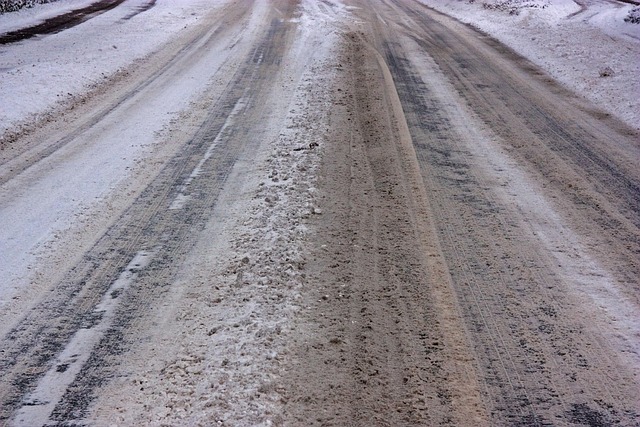
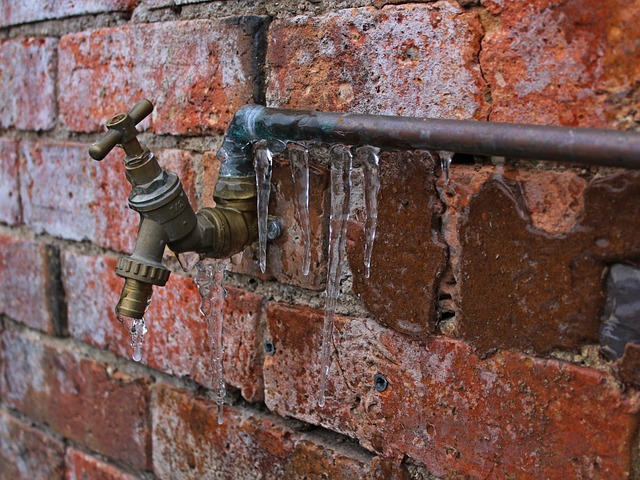
When winter temperatures drop, Northern Virginia homeowners often focus on keeping their homes warm, but freezing weather can pose serious risks to private well systems [1] if proper precautions aren’t taken. Even in regions that don’t typically experience harsh winters, a sudden cold snap can lead to costly and inconvenient well damage. Understanding how freezing temperatures affect your well system can help you protect your water supply and avoid emergency repairs.
Why Freezing Is So Dangerous for Well Systems
The biggest threat comes from the way water expands as it freezes [2]. This expansion places extreme pressure on pipes, fittings, and pumps, which can lead to cracked pipes, damaged components, or complete system failure. Once water flow is blocked by ice, pressure continues to build until something gives, often resulting in burst pipes or damaged well equipment.
Freezing Temps Impact Vulnerable Parts of Your Well System
While water deep underground is protected by earth’s stable temperature below the frost line, above-ground and shallow components are highly susceptible to freezing [1]. The wellhead, exposed well casing, pressure tanks, and small-diameter pipes are particularly at risk. Without proper insulation, cold air can penetrate these areas quickly.
Homes with above-ground pumps or pressure tanks face additional risks, as these components must remain in temperatures above 40°F to function properly. Even small parts, such as the narrow nipple connecting the pressure switch to the tank, can freeze faster than larger pipes and shut down the entire system [3].
How Freezing Temperatures Affect Water Pressure and Quality
One of the first warning signs of freezing damage is low water pressure or reduced flow [3]. As ice forms inside pipes, it restricts water movement and strains the pump. Prolonged freezing can also damage seals and fittings, increasing the risk of contamination once the system thaws. Cracks or breaks allow surface water, sediment, or bacteria to enter the well, making water quality testing [1] essential after any freeze-related incident.
Preventing Well Freeze Damage Before It Starts
Preventative measures are far less expensive than emergency repairs. Insulating exposed pipes, wellheads, and pressure tanks helps restrain heat and block cold air. In high-risk areas, heat tape or heating cables [2] can provide extra protection when poured with insulation. Maintaining indoor temperatures and allowing faucets to drip during extreme cold can also reduce freezing risks by keeping water moving.
It’s also important to ensure pipes are buried below the local frost line and that outdoor spigots are properly shut off and drained before winter sets in.
What to Do If Your Well System Freezes
If you turn on a faucet and only a trickle comes out, your system may already be frozen. At that point, avoid open flames or high-heat tools [2], which can damage pipes and create fire hazards. Applying gentle heat with a hair dryer or heating pad can help thaw accessible pipes. If the freeze is underground or involves the pump, contacting a licensed well professional is the safest option.
Protect Your Well Before Winter Hits. Want Professional Help? Contact Monticello Pump Services Today
Freezing temperatures can cause significant damage to home well systems, but with proper preparation and professional support, these risks can be minimized. Proactive insulation, regular inspections, and prompt action during cold weather can help keep your water flowing all winter long. If you’re concerned about freezing temperatures, low water pressure, or potential damage to your well system, contact Monticello Pump Services today. Our experienced team can diagnose issues early, perform needed repairs, and help ensure your well system stays protected and reliable throughout winter months.
Sources:
- https://www.watersystemscouncil.org/download/wellcare_information_sheets/maintaining_your_well_information_sheets/Protecting-Your-Pipes-and-Well-System-from-Freezing.pdf
- https://www.redcross.org/get-help/how-to-prepare-for-emergencies/types-of-emergencies/winter-storm/frozen-pipes.html
- https://engineerfix.com/how-to-keep-your-well-from-freezing/