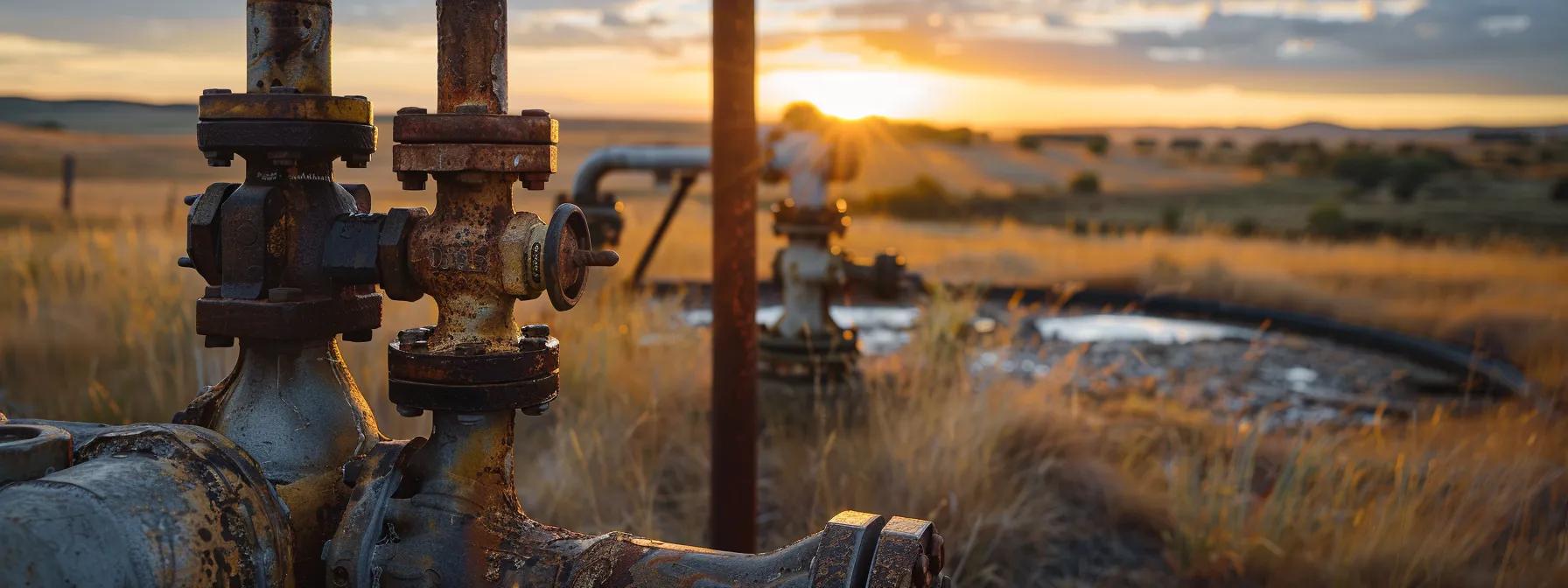
If you experience issues like low water pressure or no water, understanding well pump types is crucial for maintaining your water supply. This article will cover essential well pump types, their key features, and tips for selecting the right one for your needs. By exploring these points, readers will gain insights into ensuring reliable water quality and addressing common issues. Whether considering replacement options or needing general maintenance advice, the content will provide practical solutions. If problems persist, don't hesitate to contact us for expert assistance in optimizing your water system.
Understanding the Different Well Pump Types
Well pump types are crucial for understanding how water is sourced and delivered to properties. This section defines various pump types, focusing on factors like the depth of the water table and reservoir capacity. Each type's effectiveness will be assessed in terms of pressure and flow, measured in gallons, providing essential knowledge for property owners. if you have no water, contact us.
Defining Well Pump Types
Well pump types are primarily categorized based on factors such as depth and application, impacting their efficiency and suitability for specific needs. Submersible pumps, typically employed for deep wells, rely on an energy-efficient design that operates underwater, ensuring a consistent flow rate while minimizing power supply concerns. Conversely, jet pumps, often found in shallow wells, are surface-mounted and can be prone to corrosion, necessitating regular maintenance to protect piping and prolong their lifespan.
Now that the types of well pumps are clear, it’s time to look at what makes each one unique. Understanding their key features will guide choices that ensure reliable water flow.
Key Features of Well Pump Types
Understanding the key features of well pump types is vital for effective system management. This includes examining the electrical requirements for each pump type, ensuring proper function and efficiency. Maintenance considerations, such as addressing leaks, the importance of suction design, and utilizing a check valve to prevent backflow, are essential. Additionally, booster pumps may be necessary for optimizing intake and pressure levels across various applications.
Electrical Requirements for Pump Types
The electrical requirements for different well pump types play a crucial role in their performance and longevity. For instance, submersible pumps often require a dedicated circuit to manage their power needs, while jet pumps might function on standard home wiring but may necessitate additional filtration measures to avoid clogging. Furthermore, ensuring the installation of backflow prevention devices is essential to protect against sewage contamination and maintain a clean water supply, particularly when draining water from various sources.
Maintenance Considerations for Various Pumps
Effective maintenance practices are crucial for ensuring the longevity and reliability of various well pump types, particularly submersible pumps. Regularly inspecting the impeller for signs of wear can prevent performance drops and maintain efficient water supply levels. Furthermore, monitoring the circuit breaker for any issues enhances safety and helps avoid electrical failures that could disrupt operation.
Understanding the features of different well pump types lays the groundwork for what follows. Next, the reader will discover the essential types of well pumps that play a crucial role in water systems.
Types of Well Pumps You Should Know
Submersible well pumps are ideal for deep wells, providing reliable water delivery. Jet pumps, suitable for shallow applications, require regular inspection for corrosion. Centrifugal pumps effectively move water but may generate noise during operation. Hand pumps offer a manual alternative for emergencies, while borehole pumps are designed for confined spaces and specific applications. Understanding these pump types aids in troubleshooting and ensuring efficient valve operations.
Submersible Well Pumps
Submersible well pumps are designed to operate underwater, using an electric motor for efficient water extraction. These pumps are particularly effective in deep wells, as they utilize a vacuum to draw water into a tank, delivering a consistent flow rate. For solar-powered setups, submersible pumps can offer an eco-friendly solution, harnessing renewable energy while maintaining high performance comparable to conventional centrifugal pumps.
Feature
Description
Installation Depth
Suitable for deep wells, providing reliable water delivery.
Operation
Uses electric motor to function effectively underwater.
Efficiency
Utilizes a vacuum mechanism to pull water into the tank.
Power Source
Can be powered by solar energy or traditional electricity.
Noise Level
Generally quiet during operation, minimizing noise pollution.
Jet Pumps and Their Applications
Jet pumps are primarily used in shallow well applications, drawing water by creating a vacuum that pulls liquid from the well to the surface. They operate effectively by utilizing atmospheric pressure and are equipped with a pressure switch to regulate water flow, ensuring efficient delivery for household needs such as showers and irrigation. Regular maintenance is crucial for these pumps to avoid corrosion and maintain optimal efficiency, allowing homeowners to access reliable water supply during peak usage times.
Feature
Description
Application Depth
Ideal for shallow well installations, typically under 25 feet.
Operation Method
Utilizes atmospheric pressure to create a vacuum for liquid extraction.
Efficiency
Includes a pressure switch to manage water flow effectively.
Common Uses
Provides water for showers, irrigation, and other household functions.
Maintenance Needs
Requires regular checks to prevent corrosion and ensure longevity.
Centrifugal Pumps Explained
Centrifugal pumps are effective for moving water in a variety of applications, utilizing an impeller to create a centrifugal force that pushes water through the system. Their design allows for efficient transfer of fluids, making them suitable for both residential and commercial settings. While they operate effectively in shallow well scenarios, property owners may also consider submersible pumps for deeper wells that require reliable water extraction under higher pressure.
Centrifugal pumps utilize an impeller to generate flow.
They are effective in both residential and commercial applications.
Centrifugal pumps work best in shallow well settings.
Submersible pumps may be preferred for deeper water extraction needs.
Hand Pumps for Manual Use
Hand pumps serve as a reliable manual water extraction option, particularly in emergencies or remote locations where electricity is unavailable. These pumps can efficiently access groundwater, offering a practical solution for property owners looking to maintain access to water during power outages or well pump failures. By understanding the operation and benefits of hand pumps, property owners can ensure a continuous water supply, enhancing preparedness for any unexpected situations.
Borehole Well Pumps and Their Uses
Borehole well pumps are specifically designed for installations in confined spaces, making them a suitable choice for water extraction in tight environments. These pumps excel in applications where the water table is deep, efficiently drawing groundwater to the surface while minimizing space requirements. Their reliability and adaptability make borehole pumps an excellent option for both residential and commercial use, providing essential water access in a variety of conditions:
Feature
Description
Design
Engineered for confined spaces, ensuring suitability for narrow bores.
Efficiency
Effective for deep water extraction, delivering consistent flow rates.
Applications
Ideal for agricultural, industrial, and domestic water supply needs.
Compatibility
Works well with solar-powered systems for environmentally friendly options.
Durability
Constructed to withstand harsh conditions, ensuring long-term performance.
Choosing the right well pump is not about the most complex option; it’s about what fits your needs. With the types laid out before you, the next step is finding the one that will bring water to your home without fail.
Selecting the Right Well Pump Type
Choosing the appropriate well pump type hinges on several critical factors. Assessing the depth of the well is essential, as it determines whether a submersible or jet pump is most suitable. Understanding the property's water demand is equally important, influencing the efficiency and capacity required from the pump. By considering these aspects, property owners can make informed decisions that ensure reliable water delivery.
Factors Influencing Pump Type Choice
Choosing the right well pump type is influenced by various factors, including the depth of the water table, the property's specific water needs, and the type of well. For instance, deeper wells typically necessitate submersible pumps due to their ability to deliver consistent water flow effectively, whereas shallower wells may benefit more from jet pumps. Property owners should evaluate their water usage patterns, pressure requirements, and maintenance considerations to select the most suitable pump type that ensures reliable water delivery.
Factor
Considerations
Depth of Water Table
Determines suitability of submersible or jet pump.
Property's Water Needs
Influences the type of pump required for efficiency.
Pressure Requirements
Affects pump choice for consistent flow and performance.
Maintenance Needs
Regular checks necessary for pump longevity and operation.
Assessing Your Well's Depth
Assessing a well's depth is a critical step in selecting the appropriate pump type, as it directly influences the efficiency and effectiveness of water extraction. For deeper wells, submersible pumps are often the best choice, as they can reliably deliver water from considerable depths while maintaining consistent pressure. In contrast, shallower wells may benefit from the use of jet pumps, which are designed to operate effectively at lower depths, ensuring property owners have access to the water they need without unnecessary energy consumption.
Understanding Water Demand
Understanding water demand is a vital aspect when selecting the right well pump type, as it directly influences the efficiency and effectiveness of the system. Property owners should assess their daily water usage patterns, including peak periods for activities such as irrigation or household chores, to determine the required flow rate and capacity of the pump. This awareness not only helps in choosing the appropriate pump but also ensures that the water supply remains consistent and reliable, minimizing the risk of pump strain or failure during high-demand situations.
With the right well pump chosen, the journey is not yet over. It is time to confront the challenges that may arise, ensuring the system operates without a hitch.
Troubleshooting Common Issues With Well Pump Types
Common issues with well pumps can disrupt water supply and create challenges for property owners. For submersible pumps, a drop in water pressure often indicates a problem with the impeller or a clog in the system. Regular maintenance and checks can help identify these issues early and maintain consistent water delivery.
Jet pumps may face problems such as air leaks or low water output, which can affect their performance. Property owners should regularly inspect fittings and connections to ensure they are secure, as any leaks can lead to inefficient operation. Addressing these issues promptly can enhance the pump's efficiency and reliability.
In cases where pumps do not turn on or operate intermittently, it may be due to electrical supply issues or faulty switches. Property owners should verify that the circuit breaker is functional and that all electrical connections are secure. By troubleshooting these common problems, well pump functionality can be restored efficiently:
Inspect submersible pumps for clogs or impeller issues.
Check jet pumps for air leaks and secure fittings.
Verify electrical supply and connections for pump operation.
Conclusion
Understanding essential well pump types is vital for effective water management in both residential and commercial properties. Each pump type, including submersible, jet, centrifugal, hand, and borehole pumps, serves specific needs based on well depth and water demand. By recognizing the unique features and maintenance requirements of these pumps, property owners can make informed decisions that ensure reliable water access. Ultimately, choosing the right pump type enhances efficiency and minimizes the risk of disruptions, emphasizing its significance in maintaining a consistent water supply.
Selling a home involves more than staging your property and completing general repairs. If your Northern Virginia home relies on a private well, your purchase contract, lender, or local requirements may also call for a well inspection and water quality […]
Adding an irrigation system is one of the best ways to keep your lawn and landscaping healthy, but if your home relies on a private well, proper planning is essential before installation begins. Unlike municipal water supplies, a well system […]
If your well pump seems to turn on and off every few seconds while you're using water, you may be dealing with a problem known as short cycling. Instead of completing normal operating cycles, the pump starts and stops too […]
Our commitment to exceptional service is reflected in the feedback from our satisfied customers. We invite you to view recent comments and testimonials on our website to see why homeowners consistently choose Monticello Pump Services for their water pressure and well pump needs. Their experiences speak volumes about our reliability, professionalism, and the lasting quality of our solutions.
Paul at Monticello is the perfect example of what is great customer service and what it means to be a truly good human being. Not only is Paul extremely knowledgeable about sump pumps but he is extremely patient and fair. I highly recommend this business and working with Paul if you ever have any sump pump related issues. I can’t thank you enough, Paul!!
Anuj S.
Called Monticello at 4:20AM Super Bowl Sunday and the phone was answered by Paul the owner. Clearly I woke him from a dead sleep but he immediately worked with me over the phone to determine why I did not have water. He spent at least 45 minutes working me through diagnosing the problem which ended up being a loose fuse, the best we could determine. He refused to take any payment for his help which I would have gladly paid. He could have scheduled a service call which he felt was not necessary, he said he just wanted to get the water back on for my family. In todays world so few Company’s and people exist that would do something like this that it shocks you. Thank you Paul!!!!!
Reid B.
I had Monticello install a constant water pressure system into my house on a Saturday afternoon. It only took the crew five hours to install. I am so happy I went with the upgrade because now I can take a shower using my body massage shower, you can definitely feel a 100% improvement in the water pressure.
Kay Zangler
Wonderful gentleman. Troubleshooted and walked me through my well water problem. I highly recommend using them for all of your well issues. Excellent customer service. Very personal. Highly professional. Could have charged me for an emergency call out. He called me back 3 times to verify that all systems were up and running.
Dot
My house is on a well and Monticello installed a constant pressure system. Now when we take showers or use the hose outside, the water pressure is unbelievable.
Phil Joseph
I woke up one morning with no water, someone over the phone at Monticello Pump Service walked me step by step in trying to get my water back for me and it worked. After I was done speaking to Monticello I had my water back on and was up and running again.
Thomas Tran
I use Monticello for all my well water needs. They are very polite, professional and on time.
Jackie Bump
Posted on Google
Ahmet Kendir
Trustindex verifies that the original source of the review is Google.
He is the best person that I have ever known. My well pump went out yesterday night. I called him at 3:00AM and left a voicemail because it was emergency. He called me back at 7:00AM and troubleshooted my well problem over the phone this morning for free. “NO COST” It’s working perfectly fine right now. If it happens again I will definitely call them to fix the parts. I will go with no other well service other than MONTICELLO ever again.
Posted on Google
Mike Lausten
Trustindex verifies that the original source of the review is Google.
The best in the business when it comes to any issues with your well- Jason is a true professional and the team at Monticello Pump is first and only call you should make if you need help with anything having to do with your well!
Posted on Google
Anthony Hanrahan
Trustindex verifies that the original source of the review is Google.
Elite customer services.
Posted on Google
Howard Ackerman
Trustindex verifies that the original source of the review is Google.
I strongly recommend Monticello Pump Services. Friday night, we had no water. Jason from MPS was here by 8 a.m. Saturday and had the problem diagnosed and fixed within a few minutes.
Posted on Google
Patrick Fuchs
Trustindex verifies that the original source of the review is Google.
Highly recommend. Jason troubleshooted my well problem over the phone in the evening, came over expeditiously, and fixed the broken adapter at a reasonable price. He was very responsive throughout the process, including on other plumbing matters. Great service and good people. I am very glad I called them. I will be recommending Monticello to my neighbors.
Posted on Google
Ben LNU
Trustindex verifies that the original source of the review is Google.
Helpful diagnosis info and diagrams on the website. I've needed their help twice and they have always been rapid to respond. Fair pricing for exceptional service. Very good, patient explanations about the components of the system and condition of each. Didn't know they also handle sump pumps and sewage ejection pumps.
Posted on Google
CJ Horselover
Trustindex verifies that the original source of the review is Google.
Monticello just left. I couldn't be happier. Jason explained the whole process from testing to potential solutions. What I really liked was that they tried the simplest and least expensive option to fix my well issue first and clearly explained next steps if that did not resolve the issue. They were prompt in arrival.
Posted on Google
Gene Dell
Trustindex verifies that the original source of the review is Google.
I will go with no other well service other than Monticello ever again! I called them on a Wednesday night after 8:00PM. Got a call back in less than 15 minutes for a well issue where we were spewing water. the next day they were out digging the 5 feet down in the heat to diagnose and fix the issue. Great customer service and great price by a great team!
Posted on Google
Sally Travis
Trustindex verifies that the original source of the review is Google.
Fabulous service, excellent customer service and just great guys! Our well pump stopped working and they came right out and replaced the pump. Highly recommend!
Posted on Google
Bill Travis
Trustindex verifies that the original source of the review is Google.
Sometimes you just get lucky. Our well pump was fried and my previous well service company couldn't get to us for days. I called Jason at Monticello Pumps and they were there by 1pm. I had a new well pump by 5pm! They came not only to assess the job, but ready to do the job. I have a new well service company.
Contact Monticello Pump Services, Inc.
Now with four locations & service areas we are closer to you than ever before, ensuring prompt and efficient service across a wider region.
If you require immediate assistance, we are available 24 hours a day, 7 days per week by calling us directly at 703-241-1673.
Get In Touch
For non-urgent inquiries or to schedule a consultation, simply fill out the form below, and our team will get back to you as soon as possible. Let Monticello Pump Services be your trusted partner for all your well water and constant pressure needs.
In addition to serving Manassas, Virginia, Monticello Well Pump Services also serve these other cities:
Great Falls, Virginia • Fairfax, Virginia • Warrenton, Virginia • Gainsville, Virginia • Haymarket, Virginia • Nokesville, Virginia • Middleburg, Virginia • King George, Virginia • Lake Anna, Virginia • Chancellorsville, Virginia • Potomac & surrounding areas
Contact Info.
Manassas, Virginia:
8518 Virginia Meadows Drive Manassas, VA 20109
703-241-1673
Frederickburg, Virginia
Frederickburg, Virginia 22401 & surrounding areas
540-785-8355
Toll-Free: 1800-462-1333
Leesburg, Virginia:
722 E. Market Street, Suite 102 Leesburg, VA 20176