Building a home with a private well involves more than simply choosing where the well will be located. The well pump, pressure system, and installation methods all play an important role in your home's long-term water supply. Asking a few […]
When facing well pump issues, homeowners often wonder whether to choose an electric or gas well pump. Each has its advantages, impacting performance, costs, and environmental factors. This blog post will compare these two options, highlighting essential aspects such as performance metrics and long-term costs. By understanding the differences, readers can make an informed decision that aligns with their specific needs, ensuring reliable water services without interruptions. For those experiencing no water services, this guide will provide clarity and direction. If further assistance is needed, feel free to contact us.

Electric well pumps are essential for extracting water from underground sources, particularly in residential settings. This section highlights key features such as pump types, including turbine models, and emphasizes the advantages of electric pumps, such as efficiency and low maintenance. It also covers common drawbacks, installation requirements, and essential maintenance practices to ensure optimal performance, especially in varying water table scenarios. If you experience no water services, please contact us.
Electric well pumps are vital for homeowners relying on underground water sources, particularly in Indiana. Constructed from durable materials like steel, these pumps deliver consistent water pressure while maintaining efficiency and minimizing electrical load. With proper installation and routine maintenance, electric pumps can provide long-lasting service, addressing common issues such as fluctuating water tables effectively.
Electric well pumps, particularly submersible models, offer numerous advantages for residential applications. They provide a reliable source of drinking water and are designed to work efficiently with household systems, such as dishwashers and water tanks. Additionally, their straightforward integration with existing electrical wiring simplifies installation and contributes to lower operational costs over time.
One of the main drawbacks of electric well pumps is their reliance on electricity, which can lead to issues during power outages. Homeowners must consider that if the power goes out, so does their access to water, making it essential to have a backup system in place. Additionally, the wattage requirements of electric pumps can be significant, leading some users to consult an electrician to ensure their basement electrical systems can handle the load without risking failures or safety hazards.
Installing an electric well pump involves several essential considerations to ensure optimal functionality and safety. Homeowners need to confirm that their electrical systems can accommodate the required voltage for the pump, as inadequate power supply could lead to performance issues. Additionally, proper integration of components such as check valves and sump pumps is crucial, as these elements work together to maintain water flow and prevent backflow, ensuring a reliable water supply. The use of stainless steel fixtures is recommended for durability and resistance to corrosion, further enhancing the reliability of the installation.
Regular maintenance practices for electric well pumps play a significant role in ensuring optimal performance and extending the unit's lifespan. Homeowners should routinely check connections and hoses for leaks, inspect the booster pump and electrical components for wear, and examine cast iron fittings to prevent rust and corrosion. Additionally, regular testing of the water supply and monitoring for any changes in pressure help to identify and address potential issues promptly.
Electric well pumps have their strengths and benefits, serving many needs with precision. Yet, gas well pumps bring a different power and efficiency that deserves exploration.

Gas well pumps have distinct characteristics that set them apart from electric models, such as their reliance on fuel for operation. Homeowners can benefit from choosing gas well pumps due to their versatility and capability to work in areas without a consistent power supply. However, there are limitations, including higher maintenance needs and installation complexities associated with storage tanks and pipe systems. This section will cover installation guidelines and maintenance tips to ensure effective and reliable setup and operation of gas well pumps.
Gas well pumps are characterized by their motor drive mechanism, which relies on fuel for operation rather than electricity. This energy source allows these pumps to function effectively in remote areas where consistent power supply is unavailable, making them suitable for homeowners who may rely on water for various uses, including irrigation and household needs such as showering and cooking on a stove. While gas pumps can offer substantial horsepower and robust performance, the installation process can be more intricate, requiring proper setup of fuel storage tanks and associated piping to ensure safe and efficient operation.
Choosing gas well pumps offers several advantages for homeowners, especially in locations prone to power outages. These pumps operate independently of high voltage electricity, making them a reliable option when consistent power isn't available. Furthermore, gas well pumps are highly versatile and can often be used for multiple applications, including irrigation or household needs, without the constraints associated with electrical systems, providing homeowners with a practical solution for their water supply needs.
Gas well pumps present certain limitations that homeowners should consider. One significant challenge is the complexity associated with installation; these systems often require proper configuration of fuel storage tanks and extensive piping, which can complicate setup. Furthermore, gas pumps tend to have higher maintenance needs compared to electric systems, as they must be regularly monitored for fuel levels, leaks, and mechanical wear, potentially leading to increased service costs over time.
When installing gas well pumps, homeowners should prioritize careful planning and compliance with local regulations. It is crucial to configure the fuel storage tanks properly, ensuring they are securely positioned and connected to the pump system to prevent leaks. Additionally, integrating extensive piping solutions that comply with safety standards will enhance the efficiency and reliability of the gas well pump system, addressing concerns about maintenance and performance in a residential setting.
To maintain optimal performance of gas well pumps, homeowners should focus on regular inspections and monitoring. This includes checking fuel levels frequently to ensure a reliable operation and looking for signs of leaks in the fuel system, which can prevent costly repairs and safety hazards. Additionally, maintaining the mechanical integrity of the pump by scheduling professional evaluations can help detect wear and tear early, thereby prolonging the pump's lifespan and ensuring consistent water supply.
Gas well pumps stand as vital players in the water supply game, their efficiency tied to the vital function they serve. Now, it is time to turn to the numbers, where comparing performance metrics reveals what truly sets these pumps apart.

This section examines critical performance metrics for electric and gas well pumps, focusing on flow rates, efficiency ratings, and energy consumption. It also discusses the lifespan and durability of each pump type, noise levels during operation, and their performance in varying weather conditions. Understanding these factors will assist homeowners in making informed decisions about which type best meets their water supply needs.
The flow rates of electric and gas well pumps vary significantly and play a crucial role in meeting the water supply needs of homeowners. Electric well pumps, particularly submersible models, typically deliver consistent and efficient flow rates, making them suitable for residential applications where reliability is key. In contrast, gas well pumps may offer higher flow rates in specific situations, such as in remote areas without a stable power source, but they often require additional setup and maintenance to achieve optimal performance. Homeowners should consider these flow rate differences when selecting a pump that aligns with their water usage requirements and ensures a steady supply.
Efficiency ratings and energy consumption are critical factors for homeowners considering electric and gas well pumps. Electric well pumps typically demonstrate higher energy efficiency, often converting a greater percentage of energy into usable water flow, which can lead to lower electricity bills over time. Conversely, while gas well pumps may offer operational flexibility, their energy consumption can fluctuate based on fuel availability and maintenance needs, making them less predictable for long-term budgeting in residential settings.
The lifespan and durability of electric and gas well pumps differ significantly, influencing a homeowner’s choice between the two. Electric well pumps typically have a longer lifespan, averaging 15 to 20 years with proper maintenance, thanks to their simpler mechanical structure and reduced wear. Conversely, gas well pumps may exhibit a shorter lifespan due to more complex components and higher maintenance demands, which can result in a durability range of around 10 to 15 years. Understanding these longevity factors can help homeowners make informed decisions on the best option for their specific needs:
Noise levels are a critical consideration for homeowners choosing between electric and gas well pumps. Electric pumps generally operate more quietly, making them ideal for residential settings where noise can be disruptive. In contrast, gas pumps tend to produce more noise due to their combustion engines, which can create a less pleasant environment, particularly in close quarters.
Performance of electric and gas well pumps can vary significantly under different weather conditions. Electric pumps typically perform well in moderate climates, but extreme cold may require additional measures to prevent freezing of components, which could lead to operational issues. In contrast, gas well pumps tend to operate reliably in colder or more remote environments, as they do not rely on electricity, providing a consistent water supply even during electric outages caused by severe weather.
The numbers tell a story, but they only reveal part of the truth. Now, it is time to consider how these choices weigh on the budget, shaping the path forward.

Evaluating the cost factors associated with electric and gas well pumps involves examining several key areas. Homeowners should consider the initial purchase price, operational costs related to energy consumption, and long-term maintenance expenses. Additionally, understanding potential repair costs and conducting a return on investment analysis will provide valuable insights for making informed decisions about water supply solutions.
The initial purchase price of electric and gas well pumps varies significantly and is a crucial consideration for homeowners evaluating their options. Typically, electric well pumps present a lower upfront cost compared to gas models, making them an attractive choice for those on a budget. However, homeowners should also factor in the potential long-term costs associated with each type, as gas pumps may require additional investments in fuel storage and installation, which could influence overall financial commitments.
When evaluating operational costs and energy consumption, electric well pumps generally offer more favorable financial performance for homeowners compared to gas models. Electric pumps tend to operate with higher energy efficiency, translating to lower electricity bills over time. In contrast, gas well pumps may incur higher ongoing fuel costs and require additional maintenance, which can impact overall financial viability:
Long-term maintenance expenses for electric and gas well pumps significantly influence a homeowner's decision when selecting a water supply system. Electric pumps generally incur lower long-term maintenance costs due to their simpler mechanisms and reliability, which translates into fewer repairs over time. In contrast, gas pumps require more frequent servicing and monitoring for fuel levels, leaks, and mechanical wear, potentially leading to higher ongoing expenses. Understanding these maintenance dynamics can guide homeowners toward a solution that aligns with their budget and operational needs.
Potential repair costs for electric and gas well pumps can vary significantly based on the type of pump and its operational complexity. Electric well pumps typically incur lower repair expenses due to their simpler mechanical designs, making them easier and less costly to service. In contrast, gas well pumps often require more frequent maintenance checks and a higher level of expertise for repairs, particularly because of components like fuel lines and motors. Homeowners should evaluate these costs when choosing the most suitable pump for their water supply needs, as understanding potential repair implications can lead to more informed decision-making.
Conducting a return on investment (ROI) analysis for electric and gas well pumps allows homeowners to evaluate the long-term financial implications of their choices. Electric well pumps generally offer lower operational costs and maintenance expenses, resulting in a more favorable ROI over time. In contrast, while gas well pumps may provide initial savings, their ongoing fuel and maintenance costs can diminish profitability, making a thorough assessment crucial for homeowners aiming to secure an efficient water supply solution.
Understanding the costs is only part of the equation. The choices made here ripple into the environment, affecting more than just the bottom line.
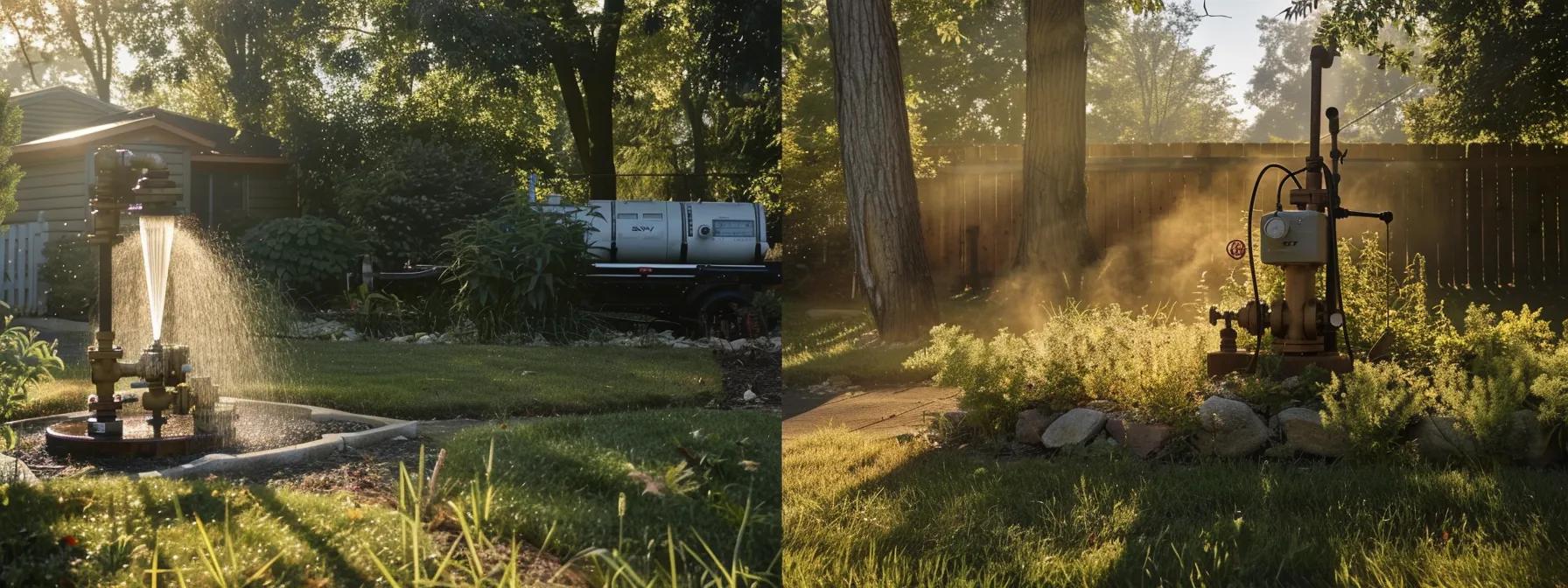
The environmental impact of electric and gas well pumps encompasses several critical factors for homeowners. This section addresses the energy source implications for electric pumps, emissions and sustainability concerns related to gas pumps, and considerations surrounding noise pollution. Additionally, it examines water conservation capabilities of each pump type and reviews relevant regulatory considerations and potential incentives for energy-efficient choices.
The energy source implications for electric well pumps play a significant role in their overall environmental impact. Electric pumps utilize grid electricity, which can vary in source from renewable resources like wind and solar to fossil fuels. Homeowners should consider the energy mix of their local grid, as relying on cleaner energy sources can markedly reduce the carbon footprint associated with using electric pumps, thereby contributing to a more sustainable water supply solution.
Gas well pumps contribute to emissions through their combustion engines, which generate both greenhouse gases and air pollutants. Homeowners concerned about sustainability should recognize that these emissions can impact air quality and climate change. To mitigate this, it is essential for property owners to explore effective maintenance practices that minimize fuel consumption and ensure efficient operation, thus balancing performance with environmental responsibility.
Noise pollution is a significant consideration for homeowners when comparing electric and gas well pumps. Electric well pumps typically operate at lower noise levels, making them preferable for residential areas where excessive noise can be disruptive. In contrast, gas well pumps can produce higher decibel levels due to their combustion engines, potentially impacting the quality of life for residents nearby. Understanding these differences assists homeowners in selecting a pump that aligns with their comfort and environmental values:
When evaluating the water conservation capabilities of electric and gas well pumps, homeowners should consider how each type manages water use effectively. Electric well pumps typically offer more precise control over water output, allowing for efficient resource management that aligns with conservation efforts. In contrast, gas well pumps may lack the same level of efficiency in water delivery, potentially leading to overuse and waste under certain conditions. Understanding these differences can help homeowners make informed choices that support their water conservation goals:
Homeowners must consider various regulatory implications when choosing between electric and gas well pumps. Local regulations may dictate the installation, operation, and maintenance of these systems, influencing factors such as required permits and safety standards. Incentives for energy-efficient solutions are often available, potentially reducing the overall costs of electric well pump installations, making them a financially attractive choice for homeowners.
The choices ahead matter. Every decision shapes not just the present, but the future we all share.
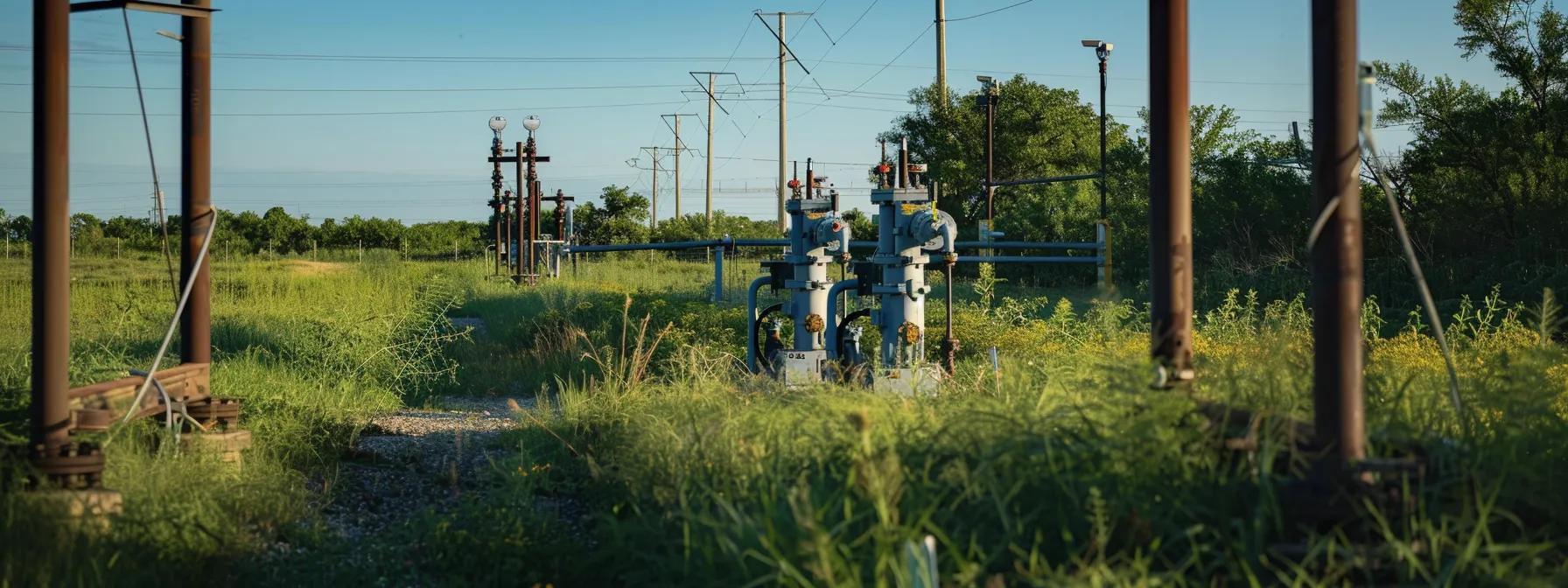
Homeowners must evaluate various factors when choosing between electric and gas well pumps. This includes balancing initial costs with long-term savings and considering testimonials from others who have experience with each type. Consulting professionals for installation and assessing local utility availability and pricing also play crucial roles in making an informed decision tailored to individual needs.
Homeowners should assess their specific needs when deciding between electric and gas well pumps. Key factors include the availability of a reliable power supply, their budget for initial installation and long-term operational costs, and the types of water services required for their households. Additionally, considering local regulations and potential incentives for energy-efficient systems can further influence the choice, ensuring that the selected water source solution aligns with their lifestyle and environmental goals:
When homeowners evaluate electric and gas well pumps, balancing initial costs with long-term savings becomes a crucial consideration. Electric well pumps typically offer a lower upfront purchase price and reduced energy bills, contributing to a favorable return on investment over time. In contrast, while gas pumps may present immediate lower costs in some cases, ongoing fuel and maintenance expenses can accumulate, potentially offsetting those initial savings:
Homeowners often share their experiences with electric and gas well pumps, emphasizing the practical aspects that influenced their choices. Many electric pump users report satisfaction with the quiet operation and consistent water flow, which seamlessly integrates with their household systems. Conversely, homeowners who opted for gas pumps appreciate their reliability in remote areas, especially during power outages, despite noting the need for more frequent maintenance:
Consulting with professionals for the installation of electric or gas well pumps is essential for ensuring a safe and efficient water supply system. Knowledgeable experts can assess the specific needs of a property, recommend the appropriate pump type, and handle the complexities of installation, mitigating potential risks associated with improper setup. Homeowners should seek qualified technicians who are experienced in both electric and gas systems, as their expertise will help in navigating local regulations and ensuring optimal performance.
When evaluating local utility availability and pricing, homeowners should consider the reliability of electricity in their area and the associated costs of using electric well pumps. Access to consistent electrical service can significantly impact the operational efficiency and long-term expenses of electric pumps, making it vital to examine local rates and potential fluctuations. For those in remote areas where electricity may be unreliable, assessing the feasibility of gas well pumps may provide a practical alternative, allowing for continued water access during power outages without the burden of high installation costs.
Choosing between electric and gas well pumps is a critical decision for homeowners, as it directly impacts water accessibility, operational costs, and maintenance needs. Electric pumps generally offer lower initial costs and better efficiency, while gas pumps excel in reliability during power outages, making them ideal for remote locations. Understanding the unique advantages and limitations of each type enables homeowners to select the system that best aligns with their specific needs and budget. Ultimately, informed choices in this area contribute to efficient and dependable water supply management, ensuring peace of mind for property owners.

Building a home with a private well involves more than simply choosing where the well will be located. The well pump, pressure system, and installation methods all play an important role in your home's long-term water supply. Asking a few […]

A well pump plays an important role in keeping your home’s water supply reliable. If the pump is too small, you may notice weak water pressure, slow fixture flow, or trouble using multiple appliances at once. If it is larger […]

Filling or topping off a swimming pool with well water can seem like a simple, cost-effective option, especially if your pool needs a large amount of water at the start of the season. However, private well systems are different from […]