A drop in well water pressure in winter can feel sudden, especially when showers, laundry, and dishwashers all need steady flow. Cold weather introduces a few predictable stress points in a private well system, from seasonal shifts in the water […]
When water pressure drops in a home, it can throw off your whole routine. Showers take longer, faucets feel weak, and even doing the laundry or running the dishwasher becomes a hassle. If the problem lasts long enough, it can start to feel like something’s just not working right, and you’re not wrong to think that way.
Most people don’t spend much time thinking about water pressure until it flattens out. But weak flow from your taps doesn’t just happen. There's usually a cause, and the good news is, finding that cause is possible with a little direction. Whether it’s related to plumbing, the pump, or something else entirely, addressing low water pressure at home should always begin with the basics.
One common reason water pressure drops is a leak somewhere in your system. Even a slow leak can throw off water flow throughout the house. Since not every leak is obvious, this step involves a bit of detective work.
Here’s what you can do to see if a hidden leak might be the issue:
- Walk through the house and listen. Pay attention to areas near toilets, under sinks, and where pipes run along walls or through the basement. A faint hissing or dripping sound might give it away.
- Check your water meter. Turn off all faucets and appliances that use water. Then take a look at the meter. If the numbers keep climbing, water is going somewhere it shouldn’t.
- Look for signs of water damage. Distant puddles in the yard, warped flooring, or unexplained damp spots on walls are typical signs.
These small problems don’t fix themselves and usually grow over time. If you notice any indicators, skipping over them can lead to bigger stress and mess down the road. Getting a professional involved early helps fix the pressure problem and avoids deeper pipe damage inside your home.
If your home has a pressure regulator, that device could also be the reason you're not getting the flow you expect. A pressure regulator controls how much water pressure enters your home from the supply source. When it works right, it keeps the pressure steady. When it doesn’t, it can either restrict the flow too much or allow it to drop off.
Most pressure regulators are installed near where your water line enters the house. You can look at the gauge to see if the pressure reading looks lower than normal. In some cases, the regulator might be adjustable, depending on the brand and age of the unit. But adjusting these too far or too often is a sign it isn't doing its job properly and could be failing.
Some signs your regulator might need to be repaired or replaced:
- Water pressure changes often, without you doing anything
- Showers switch from steady to trickle on their own
- Noise or vibration near where the regulator is located
Even though these devices are small, they play a major role in how water flows through your household plumbing. Addressing a faulty one quickly can spare you from more frustration every time you turn on the tap.
Over time, pipes can collect more than just water. If your home uses well water, hard minerals, sand, or sediment can slowly collect inside the plumbing. Even city-supplied homes can face pipe clogging from buildup, especially in areas with older plumbing. That buildup gradually limits the space water has to pass through, which can leave you standing under a weak shower or watching your bathtub fill up at a crawl.
Common signs of clogged pipes include:
- Water pressure that starts strong but drops quickly
- Uneven pressure between rooms or floors
- Discolored or gritty water coming from faucets
- A slow rise in utility costs, possibly caused by the system overworking
One clear example is when a kitchen faucet runs with steady pressure but the bathroom sink right next to it barely drips. That usually points to a blockage close to the affected fixture, not a whole-house issue. Flushing or cleaning pipes safely and effectively takes the right tools and knowledge, especially when dealing with older plumbing made of outdated materials like galvanized steel.
Whether the clog is from sediment or scale, continuing to use clogged pipes stresses your plumbing and appliances. In many cases, replacement is more reliable than repeated cleanouts that only give temporary relief. Letting a trained technician inspect the pipes gives a clearer picture of what's going on and how best to handle it.
If your home relies on a well, your pump plays a central role in making sure you have strong pressure every time you turn on a tap. The pump pulls water from the underground source and pushes it into the pressure tank for use across your home. If something goes wrong with that process, it won’t just affect the amount of available water. It can directly impact pressure too.
Here are signs your well pump might be the root of the problem:
- Short cycling, where the pump turns on and off too quickly
- Constant running without satisfying water needs
- Low or unstable water pressure throughout the home
- Dirty or sandy water from faucets
If you notice a loud humming from your pressure tank or pump area, or you’re resetting the breaker more often to get water flowing again, those are hints it’s time for help. Often, worn-out components inside the pump or pressure switch need attention. And sometimes, the pump is simply too small for the water demands of the house.
Troubleshooting pump pressure can get tricky, especially if more than one issue is working against the system. Getting your pump checked and serviced regularly helps protect it from long-term damage and catches smaller problems before they become big repairs.
If everything behind the walls seems to be working fine but you’re still dealing with low pressure, the issue might be sitting in plain sight. Older or low-quality fixtures like showerheads, faucets, or filters can hold water back without you realizing it. Some are just outdated, while others were designed with water saving in mind but ended up being too restrictive.
Here’s what to focus on when reviewing your fixtures:
- Aerators that get blocked with mineral deposits
- Showerheads with flow restrictors that don’t fit your needs
- Appliances like washers or dishwashers that fill slowly or don’t run efficiently
- Water filters that haven’t been changed in a long time
Upgrading to newer, high-flow models can often improve the overall performance without causing waste. When you’re shopping for replacements, make sure to look for reliable hardware that matches your home’s piping system. Too much pressure in the wrong type of fixture can also lead to damage, so having someone experienced take a quick look can help guide your choices.
One homeowner replaced their hallway bathroom faucet with a modern unit that had a built-in restrictor. On paper it seemed like a smart choice, but the actual result was a frustrating drip. Once the restrictor was removed and swapped with a compatible version, the pressure returned instantly.
Sometimes, it’s small upgrades like this that make a big difference.
Water pressure problems don’t have to drag on for months. Most start small and grow because they’re easy to miss or feel too minor to take seriously. But whether you’re dealing with a slow drip or weak streams all over the house, small steps today can save a lot of time and headaches later.
Start with the basics. Have someone check for leaks, regulators, or buildup. Keep an eye on how your pump is running, and don’t forget that the age and type of fixture you’re using could be working against you. Each part of your system plays a role, and even one weak link can cause the whole thing to feel slow.
If you’ve already tried clearing problems but the pressure still hasn’t returned, professional help is usually the next best step. That way, you’re not just guessing. You're actually getting to the root of the problem and solving it for good.
Don't let a minor issue like low water pressure at home disrupt your daily routine. It's often a sign of a deeper problem that deserves expert attention. At Monticello Well Pump Services, our team is ready to diagnose and fix any pressure-related concerns, restoring the smooth flow you expect and need. Learn how we can help keep your household running efficiently and comfortably.
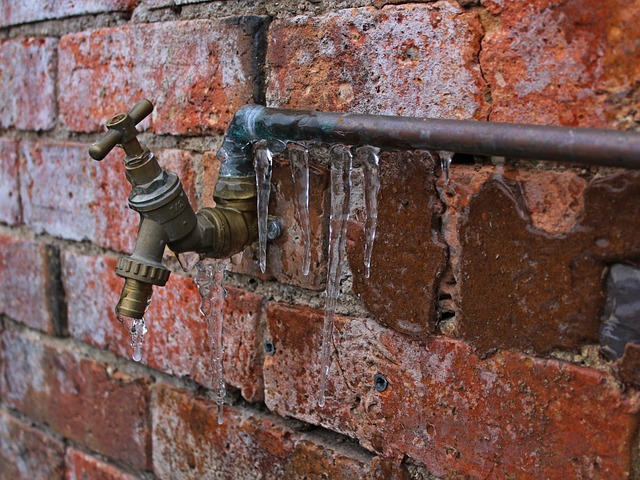
A drop in well water pressure in winter can feel sudden, especially when showers, laundry, and dishwashers all need steady flow. Cold weather introduces a few predictable stress points in a private well system, from seasonal shifts in the water […]

When winter temperatures drop, Northern Virginia homeowners often focus on keeping their homes warm, but freezing weather can pose serious risks to private well systems [1] if proper precautions aren’t taken. Even in regions that don’t typically experience harsh winters, […]
A home with a private well depends on more than just turning on the faucet. Behind the steady flow of water is a system working every day to pump, store, and deliver what your household needs. While it often runs […]