Adding an irrigation system is one of the best ways to keep your lawn and landscaping healthy, but if your home relies on a private well, proper planning is essential before installation begins. Unlike municipal water supplies, a well system […]
A drop in well water pressure in winter can feel sudden, especially when showers, laundry, and dishwashers all need steady flow. Cold weather introduces a few predictable stress points in a private well system, from seasonal shifts in the water table [1] to pipes that partially freeze and restrict flow. The good news is that many winter pressure problems have clear warning signs and practical fixes.
Groundwater is not static. The depth of the water can rise or fall depending on the time of year [1], influenced by recharge patterns and seasonal conditions. When groundwater levels change, a well may deliver water less consistently, and the system can feel “weaker” at the tap during high-use moments. Water table monitoring tools and local well measurements [1] can help confirm whether seasonal supply changes may be part of the issue.
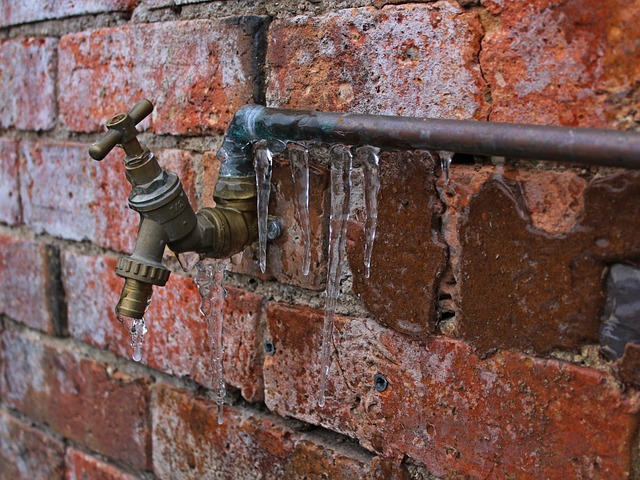
Cold snaps can create a pressure drop even when water still runs. When pipes begin to freeze, water flow can be blocked or reduced [2], creating the frustrating “trickle” effect indoors. That restriction also raises the risk of damage, since water expands as it turns to ice and pipes can burst [2]. Homes with plumbing in crawl spaces, basements, garages, or exterior walls are often more vulnerable, especially if insulation is thin or gaps allow cold air to reach lines.
Well systems rely on a pressure tank and controls to keep water pressure steady. Winter can interfere if key components sit in cold areas. Pressure tanks and above-ground components can be vulnerable to freezing in unheated enclosures [2], and small connections near the switch can be a weak link. Some systems experience issues when a small tube or fitting near the pressure switch freezes [2], preventing the system from sensing pressure accurately.
Cold weather also changes usage patterns. Higher neighborhood or household water demand in winter [3] can contribute to lower pressure, especially during mornings, snow days, or holiday weekends when more people are home and using water at the same time. If a system is already borderline, increasing demand can make pressure drops more noticeable.
A few targeted steps can help protect pressure and reduce freeze risk:
If low pressure only happens during cold weather, winterizing and a system check are usually the fastest path to a reliable fix.
Contact Monticello Pump Services to schedule a winter well inspection, troubleshoot pressure tank or switch issues, and help keep your water pressure steady all season.
Sources:

Adding an irrigation system is one of the best ways to keep your lawn and landscaping healthy, but if your home relies on a private well, proper planning is essential before installation begins. Unlike municipal water supplies, a well system […]

If your well pump seems to turn on and off every few seconds while you're using water, you may be dealing with a problem known as short cycling. Instead of completing normal operating cycles, the pump starts and stops too […]

Building a home with a private well involves more than simply choosing where the well will be located. The well pump, pressure system, and installation methods all play an important role in your home's long-term water supply. Asking a few […]