When considering options for managing water supply in various applications, a common dilemma arises: should one choose a submersiblepump or a jet pump? Each type of pump has distinct advantages and specific use cases. This article will provide an overview of both submersible and jet pumps, compare their performance factors, and discuss installation and maintenance aspects. By the end, readers will understand which option may be more suitable for their needs, especially regarding challenges such as leak prevention and corrosion resistance in sump applications.
Key Takeaways
Submersible pumps excel in deep well applications and offer higher energy efficiency
Jet pumps are lightweight and ideal for shallow well installations, providing easy setup
Maintenance requirements differ, with submersible pumps needing less upkeep than jet pumps
Noise levels favor submersible pumps for residential use due to quieter underwater operation
Understanding specific application needs is crucial for selecting the right pump type
SubmersiblePump Overview
SubmersiblePump Overview
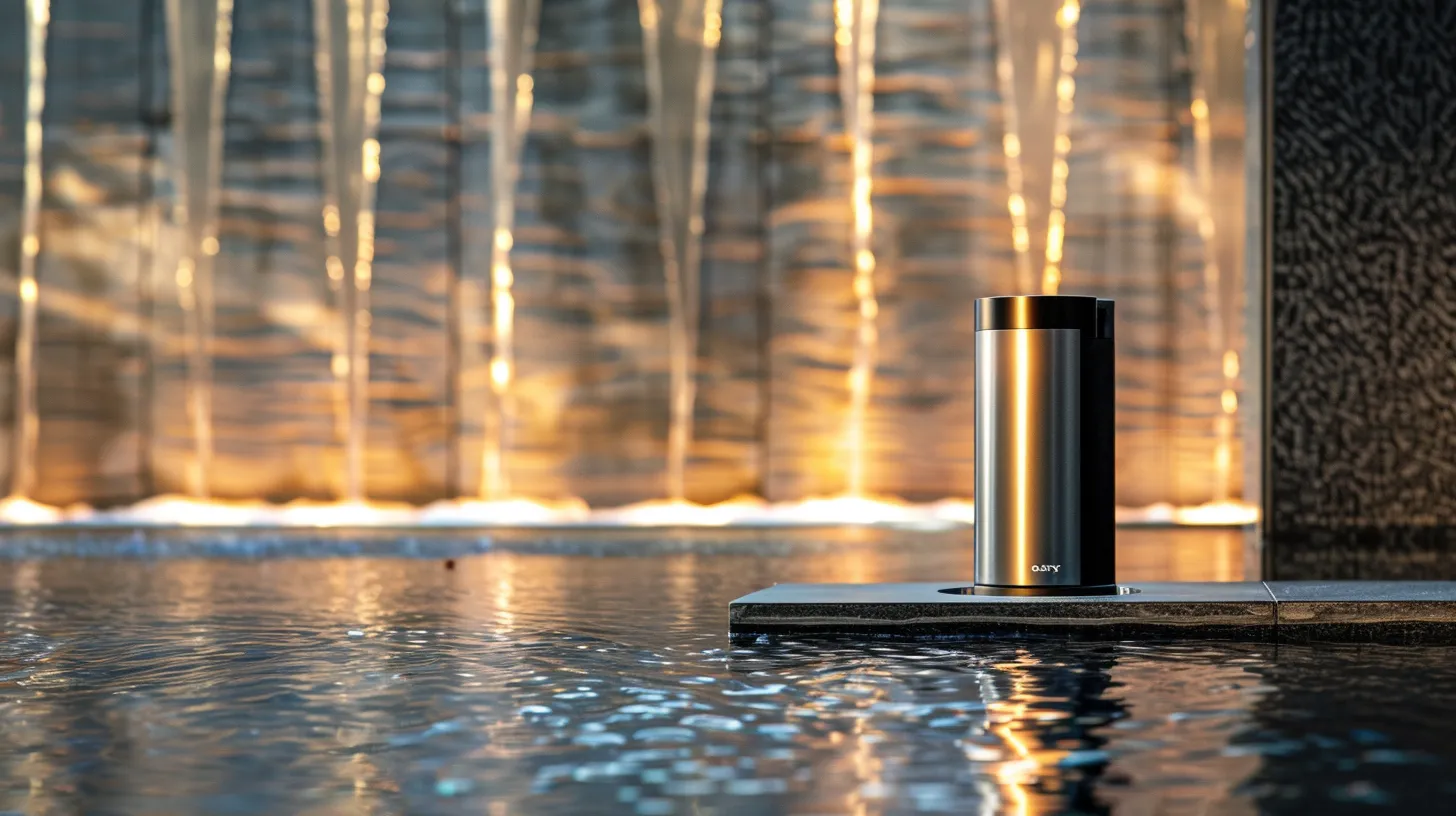
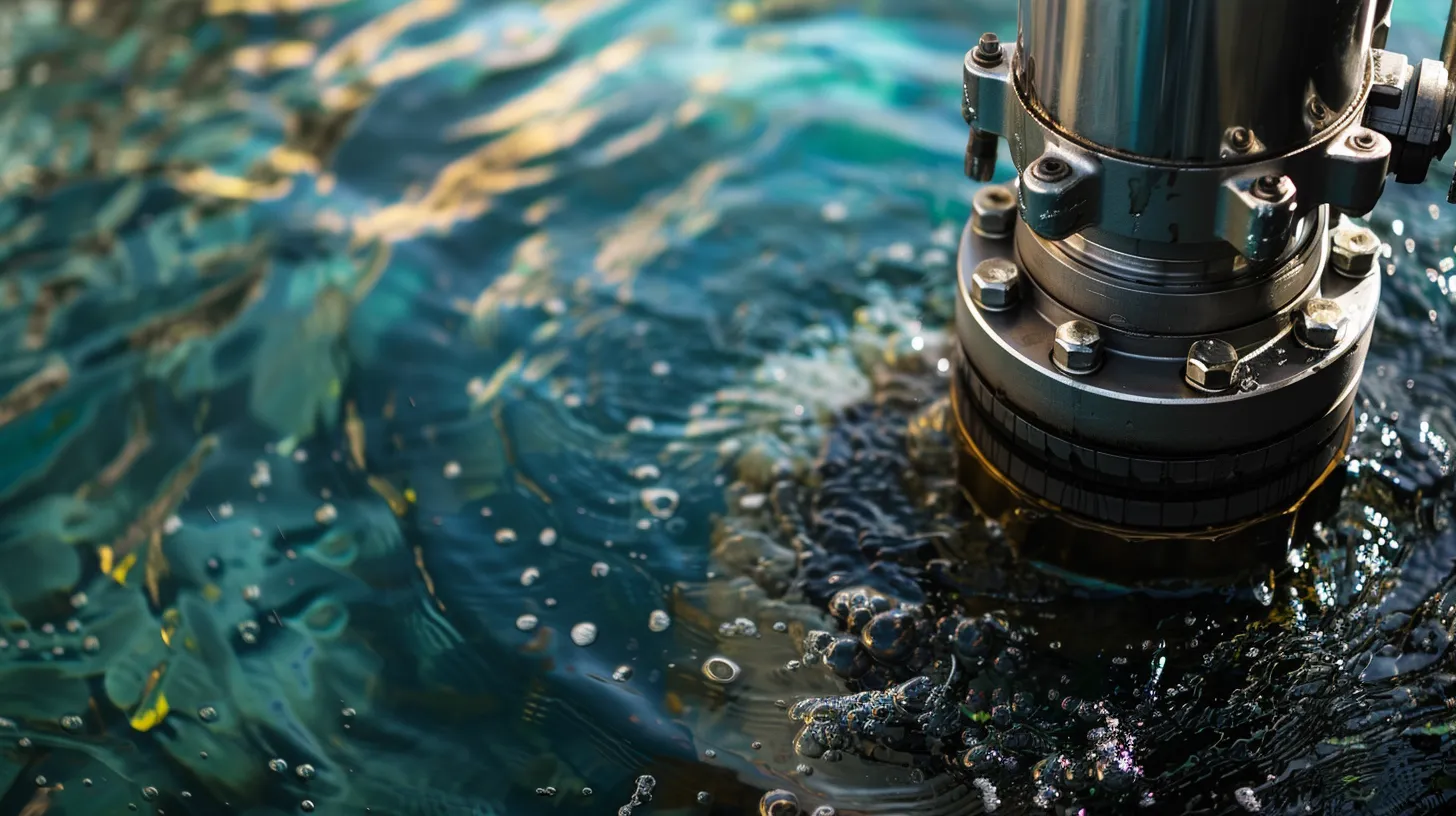
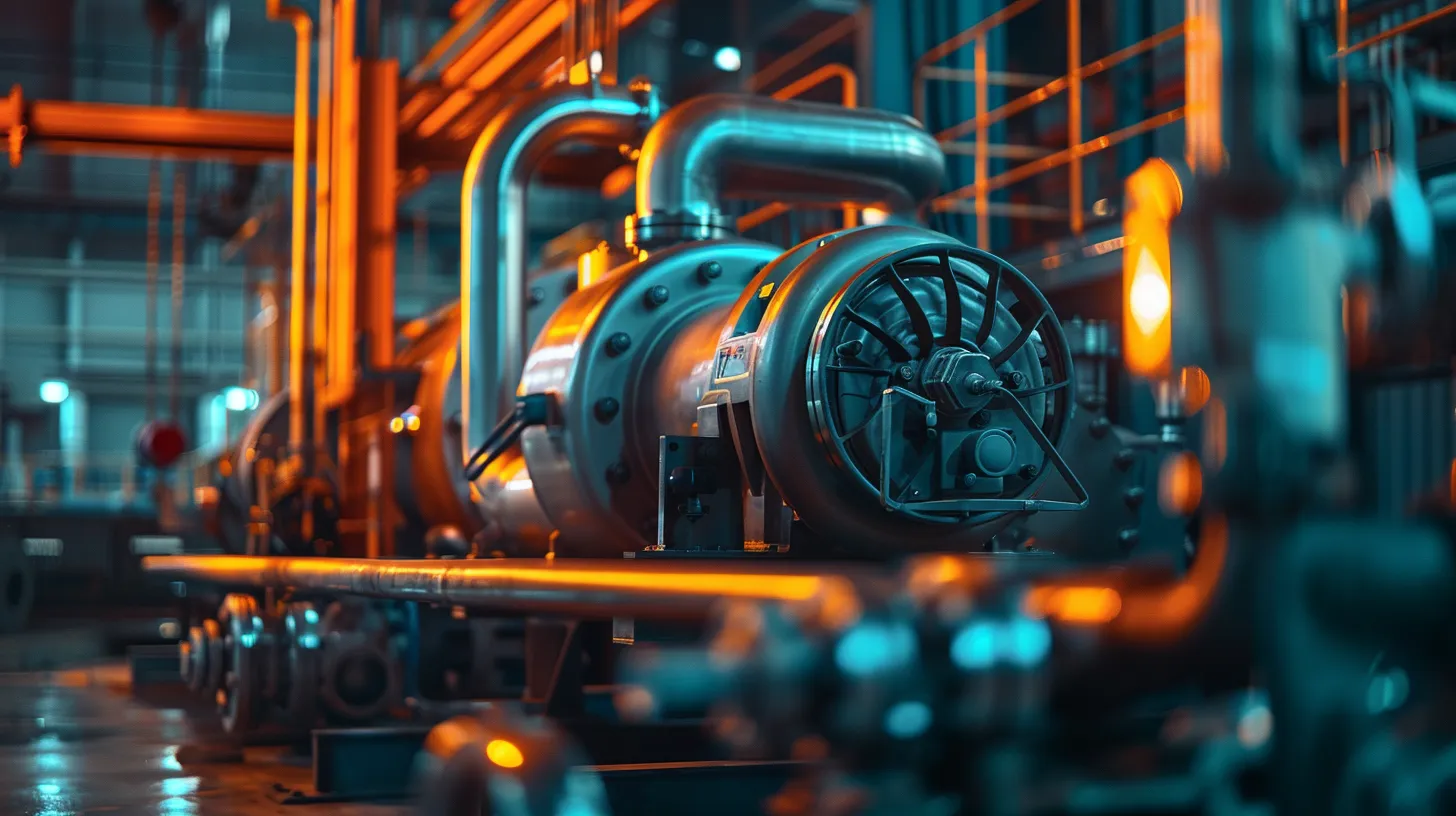
Submersible pumps are devices designed to function underwater, utilizing an impeller to move water through an intake system. Their key advantages include efficient operation in various applications, such as irrigation and groundwater management, while also ensuring optimal water quality. This section will explore the mechanics of submersible pumps, their benefits, and where they are commonly deployed.
Understanding the Mechanics of Submersible Pumps
Submersible pumps operate by using a sealed motor to drive an impeller, creating pressure to push water through an intakevalve. This mechanism often capitalizes on the venturi effect, maximizing water flow efficiency, particularly useful in applications like well pump replacement in Manassas, VA. Constructed from durable steel, these pumps can withstand harsh conditions, offering consistent performance as a reliable booster pump for various water systems.
Key Advantages of Using a SubmersiblePump
One of the key advantages of submersible pumps lies in their efficiency and versatility. These pumps are capable of handling large volumes of water, making them suitable for various applications including sumppump systems and irrigation setups. Made from materials such as stainless steel, they resist corrosion and can effectively handle contaminants like sand and iron, ensuring longevity and reliability in diverse environments:
Feature
Submersible Pump
Jet Pump
Efficiency
High effectiveness in moving large water volumes
Less efficient for deep wells
Construction Material
Stainless steel and corrosion-resistant materials
Often made from plastic or cast iron
Maintenance
Lower maintenance needs due to submerged operation
Requires regular air pressure checks
Common Use
Irrigation, drainage, and well water systems
Shallow well applications
Common Applications for Submersible Pumps
Submersible pumps are widely utilized in various applications, from dewatering construction sites to managing water in storage tanks. Their ability to operate underwater allows for seamless integration with pressure switches and diffusers, ensuring effective water delivery in residential and industrial settings. For example, a submersiblepump can be the ideal solution for draining flooded basements or optimizing irrigation systems, where durable wire connections are crucial for reliable performance:
Application
Description
Dewatering
Removes excess water from flooded areas or construction sites.
Irrigation
Powers efficient delivery of water to agricultural fields and gardens.
Storage Tank Management
Maintains water levels in storage tanks through automated systems.
Residential Sump Pump Systems
Prevents flooding in homes by removing groundwater before it enters the basement.
The submersiblepump pulls water from the depths, making it a reliable workhorse in many applications. Next, the jet pump takes a different approach, using speed and pressure to draw water from above, promising efficiency and power in various settings.
Jet Pump Overview
Jet Pump Overview
Jet pumps operate by using a combination of an engine and a jet nozzle to create suction, enabling the efficient movement of water for various applications. Key advantages include their lightweight design and energy efficiency, making them ideal for shallow well installations. This section will also cover the mechanics of jet pumps, their specific benefits, and common applications, such as handling effluent and preventing cavitation.
Understanding the Mechanics of Jet Pumps
Jet pumps operate using a centrifugal pump mechanism, combining an engine with a jet nozzle to create suction that draws water through the pipe system. This design allows them to function efficiently in shallow well applications, making them a popular choice for homeowners needing to manage groundwater or sewage removal, particularly in basements. Constructed from durable materials like cast iron, these pumps are capable of handling heavy-duty tasks while ensuring longevity and reliability in various environments.
Key Advantages of Using a Jet Pump
One significant benefit of using a jet pump lies in its efficient suction capabilities, which draw fluid through the system using a nozzle design. This mechanism generates substantial pressure, allowing for effective water movement even in shallow well applications. Its lightweight construction enhances portability, making jet pumps a practical choice for homeowners needing reliable force for tasks like groundwater management or effluent handling.
Common Applications for Jet Pumps
Jet pumps are commonly utilized for shallow well applications, where they draw water efficiently from groundwater sources. These pumps employ horsepower to create a vacuum that moves water through the system, effectively managing tasks such as watering gardens and supplying homes. A check valve is often integrated into the tank system to maintain water levels, ensuring consistent pressure and preventing backflow, which enhances functionality and reliability in various residential and agricultural applications.
Understanding jet pumps offers a solid foundation for evaluating their true potential. Next, examining performance factors will reveal what sets these pumps apart in efficiency and effectiveness.
Comparing Performance Factors
Assessing performance factors is essential when comparing submersible and jet pumps. This section will cover key areas such as water output and flow rate, evaluating energy efficiency, and understanding suction lift and depth capabilities. By examining these aspects, it becomes clearer which pump type is more suitable for specific applications, ensuring reliable operation and effective water management, particularly in conditions where freezing may be a concern and an efficient electric motor is desired.
Assessing Water Output and Flow Rate
When evaluating water output and flow rate, both submersible and jet pumps exhibit distinct characteristics suited to different needs. Submersible pumps are designed to deliver higher flow rates, making them effective for applications that require significant water movement, such as irrigation or dewatering. Conversely, jet pumps are typically more suitable for shallow well applications, providing adequate pressure for home use while managing smaller volumes of water. Understanding these differences allows users to select the pump that best matches their specific operational requirements and ensures optimal water management.
Evaluating Energy Efficiency
Energy efficiency is a vital consideration when evaluating submersible and jet pumps, as it directly impacts operational costs and environmental sustainability. Submersible pumps typically offer higher efficiency due to their design, which reduces energy loss when moving water. In contrast, jet pumps may require more energy to create suction, making them less efficient for deeper applications. Understanding these differences can help users choose a pump that not only meets their water needs but also operates cost-effectively over time:
Pump Type
Energy Efficiency
Typical Applications
Submersible Pump
Higher efficiency, lower operating costs
Irrigation, dewatering
Jet Pump
Generally lower efficiency
Shallow well applications
Understanding Suction Lift and Depth Capabilities
Understanding suction lift and depth capabilities is essential when deciding between submersible and jet pumps. Submersible pumps excel in deeper applications, as they can operate effectively at greater depths without losing suction, making them ideal for well water extraction those are situated below the water table. In contrast, jet pumps are typically limited to shallow wells due to their suction lift capacity, which can diminish quickly with increasing depth, leading users to consider the specific application requirements before making a final decision: well pump replacement manassas va.
Submersible pumps work efficiently at deeper depths.
Jet pumps are suitable mainly for shallow well applications.
Understanding the lift capabilities helps in choosing the right pump type.
Performance matters, but so do the ways to put machines to work. Knowing how to install and maintain them can make the difference in lasting success.
Installation and Maintenance Considerations
Installation requirements for submersible and jet pumps vary significantly, influencing the choice of system. Evaluating long-term maintenance needs is essential, as these factors affect ongoing operational efficiency. Cost implications also play a crucial role, impacting both initial setup and future upkeep. The following sections will clarify these considerations, aiding in the decision-making process for prospective users.
Comparing Installation Requirements for Each Pump
Installation requirements for submersible and jet pumps differ significantly, impacting the choice of system for potential users. Submersible pumps often necessitate a well casing to accommodate their underwater operation, which can involve more extensive installation processes compared to jet pumps that typically require a simpler setup above ground. Understanding these specific installation needs is essential in determining which pump type aligns best with the user's operational context and landscape constraints:
Submersible pumps require placement below water level.
Jet pumps can be installed above ground, simplifying the process.
Considering the environment is critical for effective installation.
Evaluating Long-Term Maintenance Needs
Evaluating long-term maintenance needs is critical when choosing between submersible and jet pumps. Submersible pumps typically require less frequent maintenance due to their submerged design, which minimizes exposure to environmental elements, reducing wear and tear. In contrast, jet pumps may demand more regular upkeep, such as air pressure checks and potential part replacements, making it essential for users to consider the long-term implications of operational costs and convenience associated with each pump type.
Cost Implications of Installation and Maintenance
The cost implications of installation and maintenance for submersible and jet pumps can significantly influence the decision-making process. Submersible pumps typically involve higher initial costs due to the requirement for deep well casings and specific placement, but they tend to incur lower maintenance expenses over time due to their design, which minimizes exposure to contaminants and environmental factors. In contrast, jet pumps generally have a lower upfront cost and simpler installation, yet they may require more frequent maintenance, such as regular checks for air pressure and potential component replacements, leading to increased long-term expenses. Understanding these factors can help users select the pump that aligns best with their budget and operational needs.
Installation is just the beginning. What comes next is the pulse of the pump—its noise and how it fits into the daily rhythm of work.
Noise Levels and Operational Considerations
Analyzing noise levels in submersible and jet pumps highlights significant differences that can impact user experience. Jet pumps typically produce more sound during operation, which could affect nearby environments. Additionally, considering the environmental impacts and aesthetics of each pump type fosters informed decisions about installation, ensuring suitable choices for various settings and preferences.
Analyzing Noise Differences Between Pump Types
Noise levels can significantly affect the user experience when comparing submersible and jet pumps. Submersible pumps are generally quieter as they operate underwater, reducing sound transmission to the surface, which is particularly beneficial for residential applications where noise may disturb occupants. In contrast, jet pumps tend to produce more audible noise during operation, which can be a consideration for users seeking a peaceful environment, especially in locations where noise regulations may be enforced or where aesthetics play a vital role in system selection.
Considering Environmental Impact and Aesthetics
When selecting between submersible and jet pumps, considering the environmental impact and aesthetics is crucial. Submersible pumps operate quietly beneath the water's surface, minimizing noise disturbance, which is particularly advantageous for residential areas. In contrast, jet pumps generate more sound during operation, which can affect the serenity of the surrounding environment. Therefore, the choice of pump should align with the user's preference for noise levels and the desire to maintain a quiet, aesthetically pleasing space, while also ensuring sustainable water management practices are upheld.
Noise can drown out the purpose of a good pump. Now, it is time to turn attention to selecting the right one for your specific needs.
Choosing the Right Pump for Your Needs
Choosing the right pump involves several critical factors that influence overall performance and suitability. Key considerations include the specific application requirements, energy efficiency, and maintenance needs. Analyzing case studies and user experiences can provide valuable insights into real-world performance. This section offers essential tips for making informed decisions, ensuring that users select the pump best aligned with their unique needs.
Factors to Consider in Your Decision
When selecting between a submersiblepump and a jet pump, several critical factors should be considered to determine the best fit for specific needs. Users must evaluate the pump's efficiency, depth capabilities, and maintenance requirements, as these aspects directly influence performance and long-term costs. Additionally, understanding the intended application and available space for installation can guide the final decision:
Assess the depth of the water source for proper suction capabilities.
Evaluate efficiency and energy consumption to manage operational costs.
Consider maintenance frequency and ease to ensure reliable performance.
Analyzing Case Studies and User Experiences
Analyzing case studies and user experiences can provide valuable insights into the practical applications of submersible and jet pumps. For instance, homeowners often report satisfaction with submersible pumps in deep well scenarios due to their efficiency and reliability in delivering water at consistent pressure. Alternatively, users in shallow well applications frequently find jet pumps advantageous for their straightforward installation and lower initial costs, illustrating that specific conditions and needs significantly influence the choice of pump:
Homeowners with deep wells benefit from the efficiency of submersible pumps.
Users in shallow wells appreciate the ease of installation with jet pumps.
Understanding user experiences helps guide future pump selections.
Tips for Making an Informed Choice
When considering whether to choose a submersible or a jet pump, it is vital to assess specific needs such as water source depth, intended application, and maintenance capabilities. Users should evaluate the efficiency of both pump types, keeping in mind factors such as energy consumption and reliability under various conditions. Gathering information through reviews and case studies can provide insights into how each pump performs in real-world scenarios, aiding users in making a fully informed decision:
Consideration
Submersible Pump
Jet Pump
Water Source Depth
Effective for deep well applications
Best suited for shallow wells
Efficiency
Higher energy efficiency
Lower energy efficiency
Maintenance
Lower maintenance needs
More frequent maintenance required
Application
Dewatering, irrigation
Groundwater management
Conclusion
Choosing between submersible and jet pumps hinges on factors such as application needs, depth capabilities, and maintenance commitments. Submersible pumps excel in deeper applications with higher efficiency and lower maintenance requirements, while jet pumps are suitable for shallow wells and offer easier installation. Understanding these distinctions empowers users to make informed decisions that suit their unique circumstances. Ultimately, selecting the right pump significantly impacts water management efficiency and operational costs, highlighting the importance of thorough evaluation before making a choice.
Steady water pressure is something most homeowners expect. When that pressure starts to surge, drop, and surge again, it can quickly become frustrating. Pulsating water flow is more than just an inconvenience. It often signals an issue within the well […]
A sudden change in well water color can be alarming, especially when the water coming from your tap looks muddy, rusty, or tea-colored. In many cases, brown well water is caused by minerals, sediment, or mechanical issues somewhere in the […]
Winter can be tough on a home well system, especially when freezing temperatures put pipes, fittings, and exposed components at risk. When water freezes, it expands, and that pressure can damage pipes, strain equipment, and interrupt your water supply right […]
Our commitment to exceptional service is reflected in the feedback from our satisfied customers. We invite you to view recent comments and testimonials on our website to see why homeowners consistently choose Monticello Pump Services for their water pressure and well pump needs. Their experiences speak volumes about our reliability, professionalism, and the lasting quality of our solutions.
Paul at Monticello is the perfect example of what is great customer service and what it means to be a truly good human being. Not only is Paul extremely knowledgeable about sump pumps but he is extremely patient and fair. I highly recommend this business and working with Paul if you ever have any sump pump related issues. I can’t thank you enough, Paul!!
Anuj S.
Called Monticello at 4:20AM Super Bowl Sunday and the phone was answered by Paul the owner. Clearly I woke him from a dead sleep but he immediately worked with me over the phone to determine why I did not have water. He spent at least 45 minutes working me through diagnosing the problem which ended up being a loose fuse, the best we could determine. He refused to take any payment for his help which I would have gladly paid. He could have scheduled a service call which he felt was not necessary, he said he just wanted to get the water back on for my family. In todays world so few Company’s and people exist that would do something like this that it shocks you. Thank you Paul!!!!!
Reid B.
I had Monticello install a constant water pressure system into my house on a Saturday afternoon. It only took the crew five hours to install. I am so happy I went with the upgrade because now I can take a shower using my body massage shower, you can definitely feel a 100% improvement in the water pressure.
Kay Zangler
Wonderful gentleman. Troubleshooted and walked me through my well water problem. I highly recommend using them for all of your well issues. Excellent customer service. Very personal. Highly professional. Could have charged me for an emergency call out. He called me back 3 times to verify that all systems were up and running.
Dot
My house is on a well and Monticello installed a constant pressure system. Now when we take showers or use the hose outside, the water pressure is unbelievable.
Phil Joseph
I woke up one morning with no water, someone over the phone at Monticello Pump Service walked me step by step in trying to get my water back for me and it worked. After I was done speaking to Monticello I had my water back on and was up and running again.
Thomas Tran
I use Monticello for all my well water needs. They are very polite, professional and on time.
Jackie Bump
Posted on
Ahmet Kendir
Trustindex verifies that the original source of the review is Google.
He is the best person that I have ever known. My well pump went out yesterday night. I called him at 3:00AM and left a voicemail because it was emergency. He called me back at 7:00AM and troubleshooted my well problem over the phone this morning for free. “NO COST” It’s working perfectly fine right now. If it happens again I will definitely call them to fix the parts. I will go with no other well service other than MONTICELLO ever again.
Posted on
Mike Lausten
Trustindex verifies that the original source of the review is Google.
The best in the business when it comes to any issues with your well- Jason is a true professional and the team at Monticello Pump is first and only call you should make if you need help with anything having to do with your well!
Posted on
Anthony Hanrahan
Trustindex verifies that the original source of the review is Google.
Elite customer services.
Posted on
Howard Ackerman
Trustindex verifies that the original source of the review is Google.
I strongly recommend Monticello Pump Services. Friday night, we had no water. Jason from MPS was here by 8 a.m. Saturday and had the problem diagnosed and fixed within a few minutes.
Posted on
Patrick Fuchs
Trustindex verifies that the original source of the review is Google.
Highly recommend. Jason troubleshooted my well problem over the phone in the evening, came over expeditiously, and fixed the broken adapter at a reasonable price. He was very responsive throughout the process, including on other plumbing matters. Great service and good people. I am very glad I called them. I will be recommending Monticello to my neighbors.
Posted on
Ben LNU
Trustindex verifies that the original source of the review is Google.
Helpful diagnosis info and diagrams on the website. I've needed their help twice and they have always been rapid to respond. Fair pricing for exceptional service. Very good, patient explanations about the components of the system and condition of each. Didn't know they also handle sump pumps and sewage ejection pumps.
Posted on
CJ Horselover
Trustindex verifies that the original source of the review is Google.
Monticello just left. I couldn't be happier. Jason explained the whole process from testing to potential solutions. What I really liked was that they tried the simplest and least expensive option to fix my well issue first and clearly explained next steps if that did not resolve the issue. They were prompt in arrival.
Posted on
Gene Dell
Trustindex verifies that the original source of the review is Google.
I will go with no other well service other than Monticello ever again! I called them on a Wednesday night after 8:00PM. Got a call back in less than 15 minutes for a well issue where we were spewing water. the next day they were out digging the 5 feet down in the heat to diagnose and fix the issue. Great customer service and great price by a great team!
Posted on
Sally Travis
Trustindex verifies that the original source of the review is Google.
Fabulous service, excellent customer service and just great guys! Our well pump stopped working and they came right out and replaced the pump. Highly recommend!
Posted on
Bill Travis
Trustindex verifies that the original source of the review is Google.
Sometimes you just get lucky. Our well pump was fried and my previous well service company couldn't get to us for days. I called Jason at Monticello Pumps and they were there by 1pm. I had a new well pump by 5pm! They came not only to assess the job, but ready to do the job. I have a new well service company.
Contact Monticello Pump Services, Inc.
Now with four locations & service areas we are closer to you than ever before, ensuring prompt and efficient service across a wider region.
If you require immediate assistance, we are available 24 hours a day, 7 days per week by calling us directly at 703-241-1673.
Get In Touch
For non-urgent inquiries or to schedule a consultation, simply fill out the form below, and our team will get back to you as soon as possible. Let Monticello Pump Services be your trusted partner for all your well water and constant pressure needs.
In addition to serving Manassas, Virginia, Monticello Well Pump Services also serve these other cities:
Great Falls, Virginia • Fairfax, Virginia • Warrenton, Virginia • Gainsville, Virginia • Haymarket, Virginia • Nokesville, Virginia • Middleburg, Virginia • King George, Virginia • Lake Anna, Virginia • Chancellorsville, Virginia • Potomac & surrounding areas
Contact Info.
Manassas, Virginia:
8518 Virginia Meadows Drive Manassas, VA 20109
703-241-1673
Frederickburg, Virginia
Frederickburg, Virginia 22401 & surrounding areas
540-785-8355
Toll-Free: 1800-462-1333
Leesburg, Virginia:
722 E. Market Street, Suite 102 Leesburg, VA 20176