Adding an irrigation system is one of the best ways to keep your lawn and landscaping healthy, but if your home relies on a private well, proper planning is essential before installation begins. Unlike municipal water supplies, a well system […]
Are you struggling with maintaining your submersible well pump? Many homeowners face issues like low pressure, unreliable storage tank performance, or problems with the electric motor and pressure switch. This comprehensive guide will outline the essential maintenance needs of submersible well pumps, including how to recognize when your system requires attention and the tools necessary for effective upkeep. By understanding these key aspects, readers will learn how to prevent common issues, mitigate risks, and ensure their well pumps operate efficiently for years to come.

Submersible well pumps operate by using a motor and impeller to draw water from underground sources, efficiently pushing it to the surface. Common issues such as sediment buildup, oil leakage, and corrosion can significantly affect their performance. Regular maintenance is vital to prevent these problems, ensuring longevity and reliability in water delivery.
Submersible well pumps function by utilizing a motor and an impeller to draw water from deep underground aquifers. As the motor turns the impeller, it generates energy that moves water upward through the casing. A check valve is essential to maintain water pressure and prevent backflow, while regular inspection for leaks ensures that components remain in optimal working condition to minimize wear and enhance the pump's efficiency over time.
Submersible well pumps often encounter several common issues that can jeopardize their performance and longevity. Vibration caused by misalignment or an unbalanced impeller can lead to excessive wear, increasing the likelihood of mechanical failure. Additionally, debris and contamination from the water source may clog filters and damage internal components, while the malfunction of a relief valve can cause pressure buildup, further complicating maintenance challenges. Regular inspections and proactive measures are necessary to address these issues effectively.
Regular maintenance of submersible well pumps is essential to prevent potential failures that can disrupt water supply. By routinely checking for signs of wear and tear, such as unusual vibrations or liquid leaks, operators can identify issues early, allowing for effective troubleshooting before significant damage occurs. Implementing a structured maintenance schedule not only enhances the longevity of the pump but also ensures consistent performance, safeguarding against costly repairs and unplanned downtime:
Even the strongest pumps can falter. Knowing the signs of trouble is crucial to keeping water flowing.

Recognizing when a submersible well pump requires attention is essential for effective maintenance. Signs include decreased water pressure, which may indicate blockage or mechanical issues. Unusual noises and vibrations often suggest bearing wear or motor misalignment. Additionally, sudden spikes in energy consumption can signify failures in the power supply or inefficiencies in operation. Changes in water quality or appearance can reveal contamination or pump malfunction.
Understanding these signs allows for timely inspections, ensuring operational reliability and extending the lifespan of the equipment. This section will delve into each indicator, providing insights into appropriate responses and necessary maintenance actions.
Decreased water pressure from a submersible well pump often signals underlying issues related to the groundwater system. This problem can arise from blockages in the pipes or wear on the pump itself, which can diminish its life expectancy. Addressing these issues promptly is crucial to maintaining a reliable water supply and ensuring that the pump remains within its warranty guidelines, preventing costly repairs and replacements in the future.
Unusual noises and vibrations from a submersible pump can indicate serious issues that may compromise its performance. These unsettling sounds could arise from mechanical problems, such as a misaligned impeller or damaged bearings, creating strain on the pump's motor and components. Addressing these issues promptly is necessary, as they not only affect water quality but can also lead to more significant failures if the root causes, like a faulty valve or frayed wires, are not resolved in a timely manner.
Sudden spikes in energy consumption can signal inefficiencies within a submersible well pump, often indicating underlying mechanical issues that require attention. These fluctuations may arise from problems such as a failing motor or blockages in the water line, leading the machine to work harder than necessary. Timely well water pump repair is essential to mitigate excessive energy use and extend the life of the pump.
Changes in water quality or appearance can serve as significant indicators that a submersible well pump requires immediate attention. If users notice variations in color, turbidity, or taste, these alterations may suggest the presence of contaminants or a mechanical failure within the pump. Promptly investigating these changes not only aids in maintaining health standards for water consumption but also protects the longevity of the pump, as contamination can lead to further complications if not addressed swiftly.
Taking care of your submersible well pump ensures its longevity. To do this effectively, having the right tools and safety equipment is essential for maintenance.
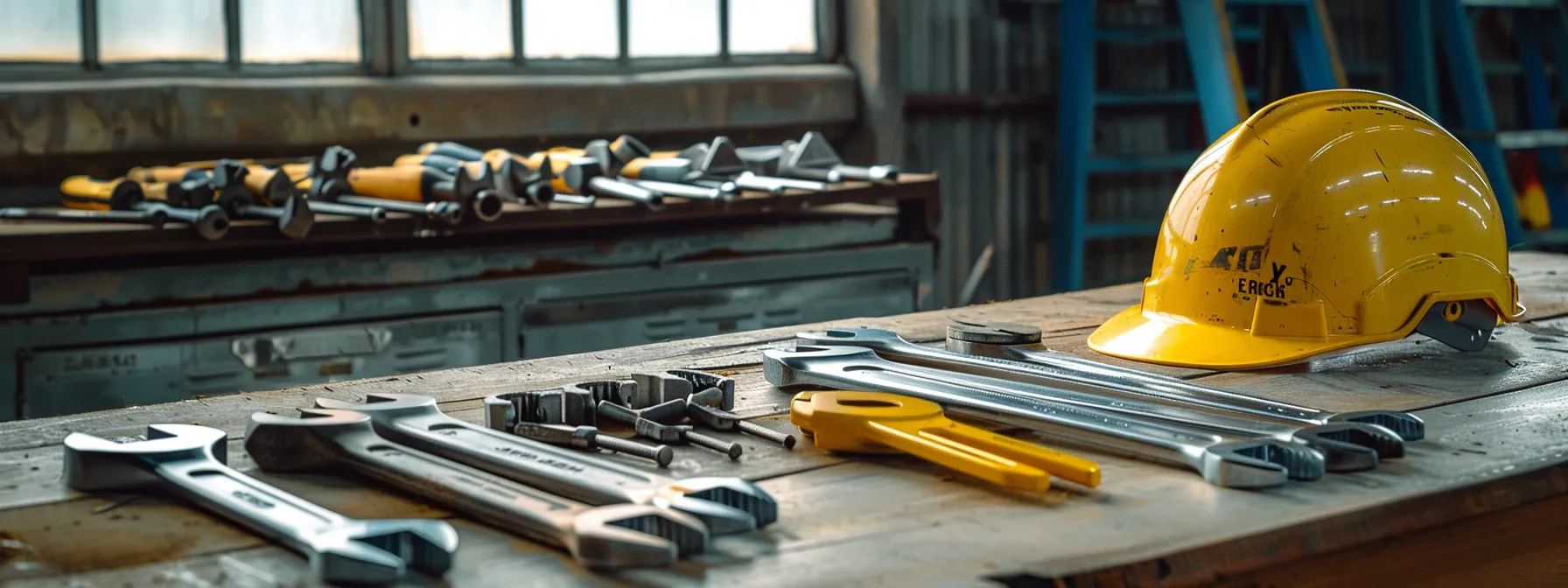
For effective submersible well pump maintenance, understanding the essential tools and safety equipment is crucial. Personal protective equipment should always be used to ensure safety during inspections and repairs. Necessary tools for proper maintenance and inspection will be outlined, along with guidance on assessing when to tackle repairs independently versus when to seek professional assistance. This knowledge is vital for maintaining reliable pump performance.
When performing maintenance on submersible well pumps, utilizing personal protective equipment (PPE) is non-negotiable for ensuring safety. The use of gloves protects against sharp objects and chemical exposure, while safety goggles safeguard the eyes from debris and potential contaminants. Additionally, wearing sturdy footwear can prevent slips and falls in wet or uneven conditions, underscoring the importance of having appropriate PPE to minimize risks associated with maintenance tasks.
For effective inspection and maintenance of submersible well pumps, several essential tools are required to facilitate thorough checks and repairs. A multimeter is crucial for assessing electrical connections and functionality, while wrenches and pliers are needed for tightening or loosening fittings. Additionally, inspection cameras can provide real-time visuals of the pump's internal components, allowing for detailed assessments without the need for disassembly, thereby promoting proactive maintenance practices and prolonging the pump's operational life.
Determining whether to perform maintenance on a submersible well pump or enlist professional help depends on the complexity of the issue and the owner's skill level. Minor tasks, such as checking for leaks or replacing filters, can often be handled independently with the right tools. However, more technical problems, like addressing electrical failures or mechanical malfunctions, may require the expertise of a professional to ensure safety and effective repair.
With the right tools and safety gear ready, the next steps become clearer. Understanding how to maintain your submersible well pump ensures its performance and longevity, guiding you to efficient upkeep.
Maintaining a submersible well pump involves several critical steps to ensure reliable performance and longevity. This guide covers essential tasks, including preparing for maintenance safely, inspecting electrical wiring and components, cleaning the pump intake and screen, and testing pump efficiency and performance. Additionally, keeping maintenance records updated is vital to tracking the pump's condition and addressing issues promptly.
Each aspect of maintenance plays a significant role in preserving the functionality of the pump. By following these steps, operators can enhance operational efficiency and minimize downtime, ultimately contributing to a consistent water supply.
Before initiating maintenance on a submersible well pump, it is essential to prioritize safety by following established protocols. Owners should ensure that the power supply to the pump is completely shut off to avoid electric shock, disconnecting the electrical connections as an added precaution. Additionally, utilizing personal protective equipment, such as gloves and safety goggles, can mitigate risks associated with debris and potential chemical exposure, creating a safe working environment for effective maintenance practices.
Inspecting the electrical wiring and components of a submersible well pump is crucial for maintaining operational efficiency and safety. Over time, insulation may wear down, leading to potential shorts or power losses, which can significantly impair pump performance. Conducting regular visual checks for frayed wires, secure connections, and signs of corrosion will help ensure the pump operates smoothly and reduces the risk of unexpected failures.
Cleaning the pump intake and screen is a crucial maintenance task for submersible well pumps, as debris accumulation can severely restrict water flow and efficiency. Operators should regularly remove the pump from its well casing to access the intake, meticulously inspecting for any signs of sediment or clogging. By ensuring the intake is clear and the screen is free from blockages, one can enhance the pump's performance and prolong its operational lifespan, thus mitigating potential water supply issues.
Testing the efficiency and performance of a submersible well pump is essential to ensure reliable water delivery. Operators can gauge pump performance by measuring the flow rate, pressure, and electrical consumption while the pump is running. Regular testing not only identifies potential inefficiencies but also helps in making informed decisions about maintenance or upgrades, ultimately supporting the longevity and performance of the pump in diverse water supply applications.
Keeping maintenance records updated for submersible well pumps is a crucial aspect of ensuring longevity and performance. These records provide a detailed history of inspections, repairs, and any issues encountered over time, allowing operators to track patterns and identify recurring problems. Regularly documenting maintenance activities not only facilitates timely interventions but also supports compliance with warranty requirements, ultimately safeguarding against unexpected breakdowns and costly repairs.
Maintaining a submersible well pump is just the beginning. Understanding how to extend its life can yield more reliable service and save time down the road.

To extend the life of a submersible well pump, operators should prioritize scheduling regular inspections and service to identify potential issues early. Protecting against electrical surges and damage is also vital for maintaining operational integrity. Following proper installation and usage practices ensures optimal performance, while effectively managing water quality and treatment can prevent contamination and wear, promoting the pump's longevity.
Scheduling regular inspections and service is a proactive approach to maintaining submersible well pumps and preventing potential issues. By establishing a routine schedule, operators can effectively identify wear and problems early on, which minimizes the risk of unexpected failures that disrupt water supply. For instance, quarterly inspections that include checking electrical connections and mechanical components can significantly enhance the pump's performance and extend its lifespan:
Protecting a submersible well pump against electrical surges is crucial to maintaining its longevity and reliability. Installing surge protectors can safeguard the pump's electrical components from fluctuations that may arise from lightning strikes or power outages. Regularly inspecting electrical connections for wear and ensuring that the power supply is stable helps in preventing potential damage, thus reducing repair costs and minimizing downtime.
Following proper installation and usage practices plays a critical role in prolonging the life of submersible well pumps. Ensuring that the pump is installed at the correct depth and using appropriate connections can significantly reduce the likelihood of operational issues and mechanical failures. Additionally, operators should adhere to recommended usage guidelines, such as avoiding excessive cycling of the pump, to maintain optimal performance and efficiency:
Managing water quality is crucial for the longevity and efficient operation of submersible well pumps. Contaminants such as sediment, chemicals, and biological materials can clog the pump and adversely affect its performance. Regular water quality testing and employing appropriate treatment methods, such as filtration or disinfection, can significantly minimize wear on the pump and ensure that it operates at peak efficiency, ultimately leading to a reliable water supply for users.
After exploring effective strategies for extending the life of a submersible well pump, questions about its maintenance naturally arise. Understanding these common concerns can lead to better care and longevity for your pump.

This section addresses common inquiries related to submersible well pump maintenance, providing practical insights for effective management. Topics covered include how often maintenance should be performed, safety considerations for DIY work, associated costs for maintenance and repairs, typical lifespan of pumps, and strategies to prevent pump failure. Each of these areas offers valuable knowledge necessary for maintaining optimal pump performance.
Maintenance of submersible well pumps should be performed regularly to ensure optimal performance and longevity. Typically, a thorough inspection should be conducted at least once a year, while visual checks for leaks and unusual sounds can be done monthly. Implementing a consistent maintenance schedule helps identify potential issues early, preventing costly repairs and ensuring a reliable water supply:
Performing maintenance on submersible well pumps can be safe for individuals with the right skills and tools. However, it is crucial to thoroughly assess personal expertise before attempting repairs, especially those involving electrical components or complex mechanical issues. For minor tasks, such as checking for leaks or cleaning filters, homeowners may feel confident taking action; yet, for significant repairs, consulting a professional is often the best course of action to ensure safety and optimal functionality of the pump.
The costs associated with maintaining and repairing submersible well pumps can vary significantly based on several factors, including the pump's make, model, and specific issues encountered. Routine maintenance tasks, such as inspections and simple repairs, typically incur lower expenses, generally ranging from $100 to $300 annually. However, more extensive repairs or component replacements might cost several hundred to over a thousand dollars, depending on the severity of the problem and whether professional services are required. Understanding these potential costs is essential for owners to budget effectively and plan for the long-term sustainability of their water systems.
Submersible well pumps typically have a lifespan ranging from 10 to 15 years, depending on various factors such as usage, maintenance practices, and water quality. Regular maintenance, including inspections and prompt repairs, can significantly extend this lifespan, ensuring efficient operation. By taking proactive measures, operators can maximize the longevity of their submersible well pumps, reducing the frequency of replacements and associated costs.
Preventing pump failure in submersible well pumps requires a proactive approach that emphasizes regular maintenance and monitoring. Operators can maintain optimal performance by scheduling consistent inspections, addressing minor issues promptly, and ensuring that electrical components are protected from surges. Additionally, maintaining water quality through filtration and regular testing can significantly reduce the risk of debris and contaminants harming the pump’s functionality.
Maintaining submersible well pumps is essential for ensuring reliable water supply and extending the lifespan of the equipment. Regular inspections, timely repairs, and proper monitoring of performance not only prevent costly breakdowns but also enhance overall efficiency. Understanding the signs of potential issues, utilizing safety measures, and applying best practices in maintenance strengthens the operational integrity of these critical systems. By prioritizing maintenance, operators safeguard their investment and ensure consistent water delivery for years to come.

Adding an irrigation system is one of the best ways to keep your lawn and landscaping healthy, but if your home relies on a private well, proper planning is essential before installation begins. Unlike municipal water supplies, a well system […]

If your well pump seems to turn on and off every few seconds while you're using water, you may be dealing with a problem known as short cycling. Instead of completing normal operating cycles, the pump starts and stops too […]

Building a home with a private well involves more than simply choosing where the well will be located. The well pump, pressure system, and installation methods all play an important role in your home's long-term water supply. Asking a few […]